Skyline Serenity: Photographing Toronto’s Iconic CN Tower
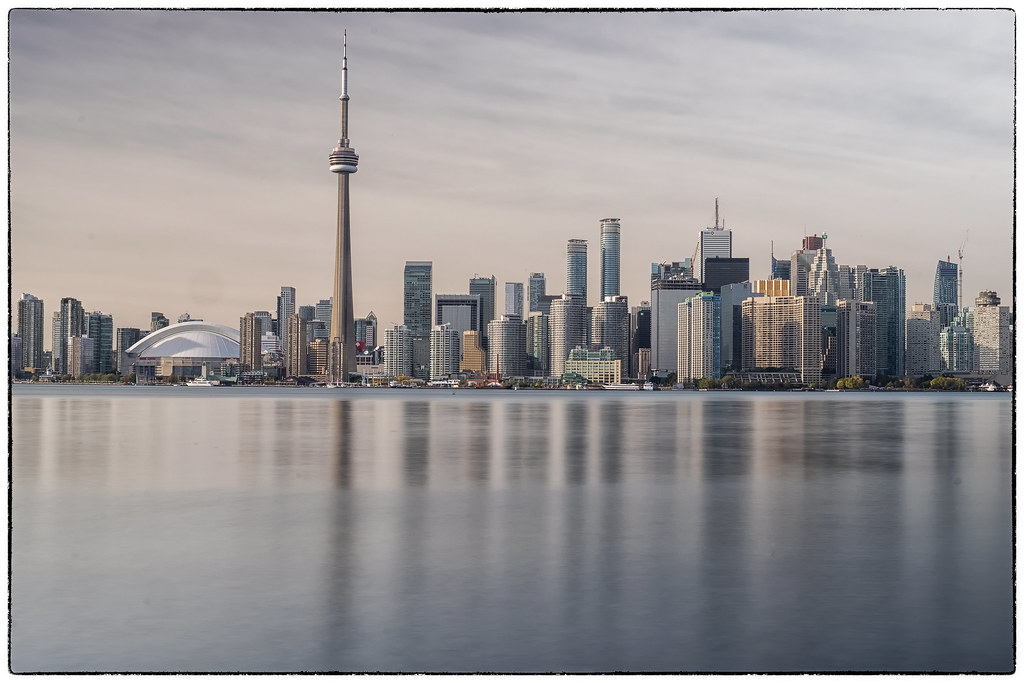
In the realm of travel photography, few images manage to capture both grandeur and serenity as effortlessly as this stunning skyline view.
Table of Contents
- Capturing Height and Context
- Mastering Composition
- Utilizing Natural Elements
- Practical Tips for Your Photography Journey
- Final Thoughts
Capturing Height and Context
Photographing iconic architecture like the CN Tower presents a unique set of challenges. Often, photographers struggle with showcasing the height of such structures without losing the broader context of their surroundings. This image is a delightful exception, balancing both aspects beautifully.
The CN Tower stands tall amidst Toronto’s skyline, its majesty accentuated by the careful composition. The photographer has chosen an ideal vantage point across the water, which not only provides a reflective surface but also adds depth to the image. The tower’s height is emphasized without isolating it from its urban environment—a lesson in how context can enhance rather than detract from architectural photography.
Mastering Composition
The successful composition in this photo hinges on several key elements: symmetry, leading lines, and balance. The skyline is framed perfectly along the horizontal axis with ample negative space above and below. This framing draws attention to both the height of each building and their collective harmony against Toronto’s sky.
Notice how your eyes are naturally led towards the CN Tower due to its classical placement 1/3 of the way into the frame. For budding photographers looking to photograph the CN Tower in Toronto and other excpetionally tall buildings, this technique serves as an excellent example. Don’t center your subject.
Utilizing Natural Elements
The use of natural light plays a pivotal role here; soft illumination casts gentle shadows while enhancing structural details across buildings. Early morning or late afternoon often yields such favorable lighting conditions—ideal for capturing cityscapes with clarity and warmth.
Moreover, incorporating water into cityscape shots introduces an additional layer of tranquility through reflection—a common yet effective strategy within travel photography circles aiming for serene compositions amidst bustling cities like Toronto.
Practical Tips for Your Photography Journey
For those inspired by this image—and eager about refining their own skills—consider these practical suggestions:
-
Scout Locations: Research different vantage points before setting out; knowing where you’ll shoot saves time during changing light conditions.
-
Use a Tripod: Stability ensures sharper images, especially useful during long exposure shots over moving waters.
-
Mind Your Settings: Adjust ISO low (100-200) under bright daylight; aperture around f/8 provides good depth while keeping most foreground-background elements crisp.
-
Post-Processing Magic: Subtle adjustments can enhance colors or contrast post-shooting though remember not every photo needs heavy editing. Preserve the natural beauty captured in-camera.
Final Thoughts
This photograph of Toronto’s skyline, with the CN Tower rising prominently, serves as an inspiring example for any travel photography enthusiast. It highlights how thoughtful composition and keen attention to environmental factors can transform a simple cityscape into a captivating visual narrative. By incorporating these insights into your own work, you too can capture images that resonate with both height and context—creating lasting impressions that go beyond the ordinary.
Whether you’re embarking on a journey to photograph iconic landmarks or exploring new cities, remember that every frame offers an opportunity to tell a story. Embrace it with creativity and precision.

The CN Tower stands prominently against the Toronto skyline, reflecting beautifully in the calm waters below. Photo by Timothy Neesam. Licensed under CC BY-ND.