The Tunstall Library: Nostalgia Framed in Dreamy Hues
In the heart of Stoke-on-Trent, where red brick walls hold centuries of stories and the past lingers like a gentle echo, rises a landmark that embodies both history and imagination: The Tunstall Library.
Table of Contents
- A Dream-Like Capture
- Architectural Elegance
- Capturing Mood with Processing
- Storytelling Through Composition
- Inspiration for Aspiring Photographers
- Final Thoughts
A Dream-Like Capture
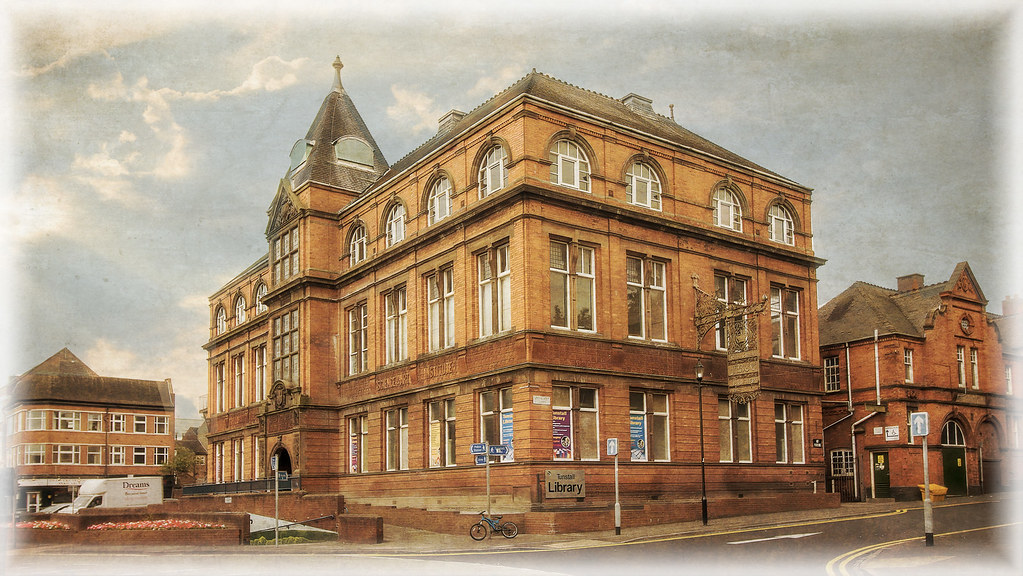
This image transforms The Tunstall Library into something more than a municipal landmark—it becomes a reverie. The soft vignette frames the building in a dreamlike haze, giving the impression of a memory caught between past and present. It’s a visual invitation to linger, to feel nostalgia even if you’ve never stepped inside.
Architectural Elegance
Victorian design speaks loudly here. The strong verticals, turreted corner, and rhythmic arched windows lend the structure both weight and grace. The photograph captures more than architecture—it conveys the resilience of a community that has treasured this institution for generations.
For photographers asking how to photograph The Tunstall Library in Stoke-on-Trent, or similar buildings, focus on unique flourishes: in this case, the ornate stonework above the entrance, the interplay of shadow along its tall windows, and the way natural light accents the red brick in late afternoon.
Capturing Mood with Processing
The choice of editing here is deliberate. Muted tones and vintage textures emphasize the building’s historic gravitas. By softening the edges and layering tonal warmth, the photographer transforms a straightforward documentary shot into something evocative—proof that post-processing can be storytelling in its own right.
Experimentation is the lesson: let mood shape technique, rather than the other way around.
Storytelling Through Composition
The composition leads the eye effortlessly—from the street corner upward to the turret, then across the patterned windows. Each line is a narrative device, guiding us through layers of history etched in stone. It’s not just an image of a building; it’s an invitation to explore a cultural landmark.
When photographing civic architecture, remember: streets, signs, and skylines aren’t clutter—they’re context. They ground your subject in its living environment.
Inspiration for Aspiring Photographers
This photograph is more than visual documentation—it’s a manifesto for creators:
- Embrace Atmosphere: Use processing not to distort but to deepen the emotional resonance of a scene.
- Engage with History: Every building has a story; discover it, then translate it visually.
- Look Close to Home: Sometimes the most powerful subjects aren’t distant landmarks but familiar corners of your own city.
Such lessons remind us that photography is not only about what we see, but about what we feel compelled to share.
Final Thoughts
The Tunstall Library stands as a keeper of knowledge, memory, and community. Through careful composition and thoughtful processing, this image breathes life into its walls, allowing us to sense both permanence and poetry. It challenges us to look at familiar places anew—and to capture them with equal reverence.
May every frame you take, whether of grand landmarks or local treasures, carry with it not just light and form, but the timeless imprint of story.

The Tunstall Library in Stoke-on-Trent stands as a timeless sentinel, its red brick façade whispering stories of countless readers who have wandered through its historic halls.
Photo by Rick Massey. Licensed under CC BY.