Complete Guide to Visiting Sri Lanka: The Pearl of the Indian Ocean
Sri Lanka, the “Pearl of the Indian Ocean,” offers dramatic landscapes, deep history, and warm hospitality that come together in unforgettable ways. One day you might be exploring ancient Buddhist temples or colonial fortresses; the next, lounging on golden beaches or trekking through misty highlands. What sets this island apart isn’t just its beauty—it’s the incredible range of experiences packed into such a compact space, and the genuine warmth of its people that leaves travelers feeling not just welcome, but truly at home.
Table of Contents
- Overview: Why Visit Sri Lanka
- Brief History of Sri Lanka
- Cities and Districts in Sri Lanka
- Weather Patterns in Sri Lanka
- Important Cultural Sites in Sri Lanka
- Important Historical Sites in Sri Lanka
- Wildlife Opportunities in Sri Lanka
- Getting to Sri Lanka
- Good Information to Know About Sri Lanka
- Conclusion: Embrace the Wonders of Sri Lanka
Overview: Why Visit Sri Lanka
A Tapestry of Landscapes
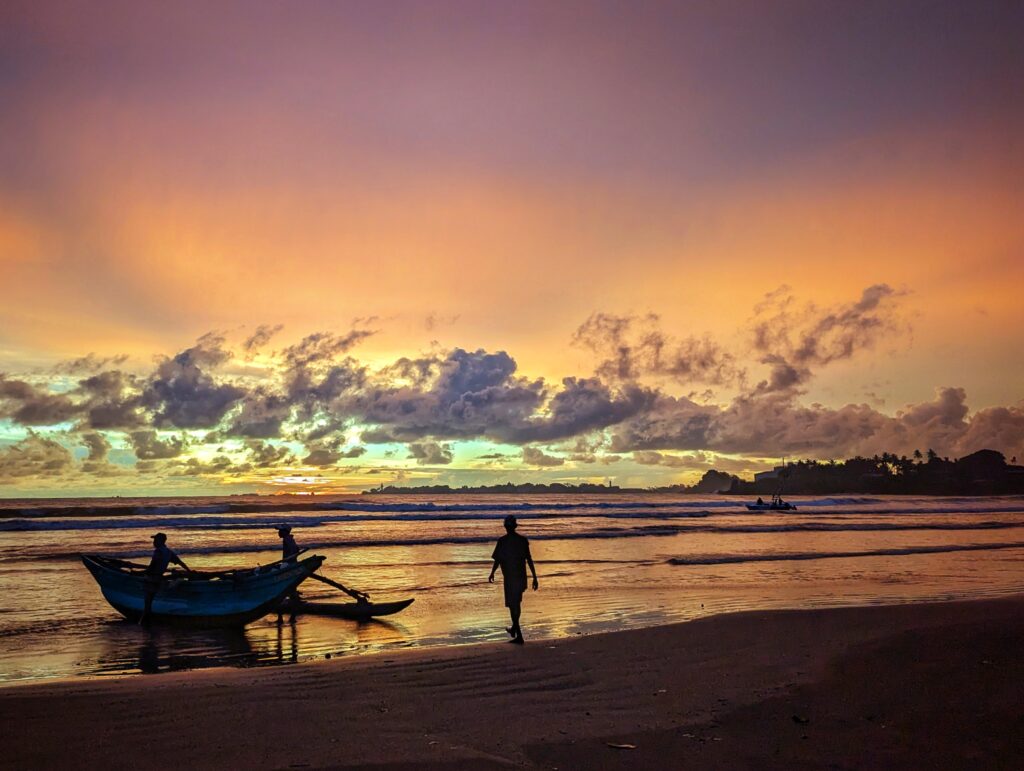
Silhouetted against a fiery sunset, fishermen at Dewata Beach in Sri Lanka draw their boats ashore, creating a scene of serene beauty and daily life intertwined. Photo by Joel M. Hoffman. Copyright Joel M. Hoffman. Used with permission.
From the sun-drenched beaches of Mirissa to the cool, misty highlands of Ella, Sri Lanka’s geography dazzles with variety. Coastal plains give way to rolling tea country, cloud forests, and wildlife-rich jungles. Trekking through Horton Plains, spotting elephants in Minneriya, or riding the scenic train through lush hill country—each region reveals a different side of the island’s natural splendor. The diversity of ecosystems in such a compact area makes Sri Lanka a dream for nature lovers and adventure travelers alike.
Cultural Richness
Sri Lanka’s cultural heritage is just as varied as its terrain. The island has been shaped by ancient Buddhist kingdoms, Hindu traditions, Islamic influence, and European colonial powers—all of which have left visible marks on its cities, rituals, and daily life. The country is home to eight UNESCO World Heritage Sites, including the sacred city of Kandy, the ancient capitals of Anuradhapura and Polonnaruwa, the fortress of Sigiriya, and the colonial architecture of Galle Fort. Whether you’re exploring cave temples in Dambulla or watching a traditional Kandyan dance performance, Sri Lanka offers a deep and layered sense of history. In the bustling streets of Colombo or the quiet villages of the north, every experience offers insight into a culture both ancient and evolving.
Wildlife Wonders
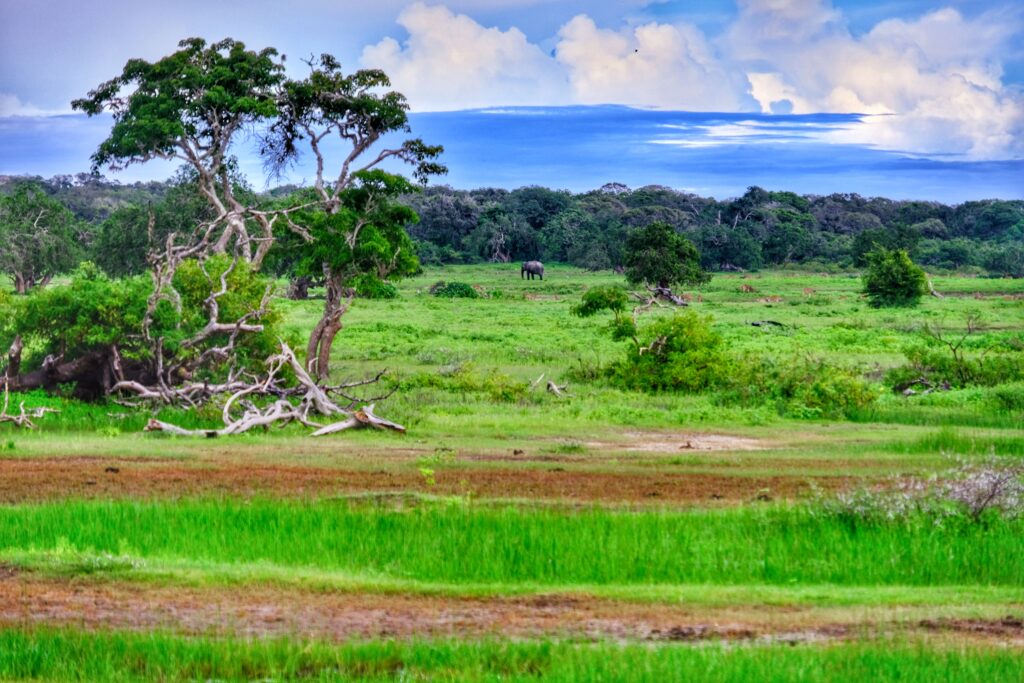
A barely-visible elephant graces this beautiful Sri Lankan landscape in Yala National Park, where lush greenery meets the vast expanse of open sky. Photo by Joel M. Hoffman. Copyright Joel M. Hoffman. Used with permission.
For nature enthusiasts and wildlife lovers alike, Sri Lanka offers unparalleled opportunities for exploration. Yala National Park provides thrilling safaris where you might spot leopards lounging in trees or elephants roaming freely across open plains. Meanwhile, marine adventures await off the coast with opportunities for whale watching and diving among vibrant coral reefs.
Culinary Delights
Sri Lankan cuisine is a feast for the senses—bold, vibrant, and deeply rooted in local tradition. Meals burst with flavor thanks to fragrant spices, fresh coconut, and a variety of regional ingredients. Start your day with crispy-edged hoppers (bowl-shaped rice flour pancakes), then dive into an array of spicy curries, sambols, and lentil dishes served with aromatic rice. Don’t miss the sweet side of things either—coconut toffees, treacle-drenched pancakes, and jaggery-based desserts offer a perfect finish to any meal.
For food lovers, Sri Lanka offers more than just nourishment—it’s an invitation to explore culture through taste. From bustling street vendors to family-run eateries, every dish tells a story and adds another layer to your journey.
Ancient Kingdoms
More than 2,500 years ago, early Sinhalese kingdoms took root in the island’s heartland, giving rise to centers like Anuradhapura, which became a beacon of Theravada Buddhism after King Devanampiya Tissa’s conversion in the 3rd century BCE. These kingdoms left behind a legacy of monumental stupas, reservoirs, and temples that still inspire awe today.
Meanwhile, in the north and east, early Tamil communities were also flourishing. With deep cultural and religious ties to southern India, these Tamil populations developed their own settlements and traditions, contributing to the island’s linguistic, religious, and architectural diversity. Together, these parallel heritages laid the foundation for Sri Lanka’s complex and multilayered identity.
Colonial Influences
The allure of Sri Lanka’s spices attracted European powers from the 16th century onwards. The Portuguese were first to establish control, followed by the Dutch who left their mark on architecture and commerce. In 1796, British colonization began—a period that saw significant changes including infrastructure development and plantation agriculture.
Independence and Modern Era
Sri Lanka gained independence from British rule in 1948 but faced challenges post-independence with ethnic tensions between Sinhalese and Tamil communities leading to civil conflict. Despite these struggles, Sri Lanka has emerged as a vibrant democracy focused on reconciliation and development.
Today’s Sri Lanka is an intriguing blend of its storied past and dynamic present—a place where ancient traditions coexist harmoniously with modern influences.
Cities and Districts in Sri Lanka
Sri Lanka’s cities and districts offer a kaleidoscope of experiences, each with its own unique charm and character. From bustling urban centers to serene countryside retreats, there’s something for every traveler.
Colombo: The Vibrant Capital
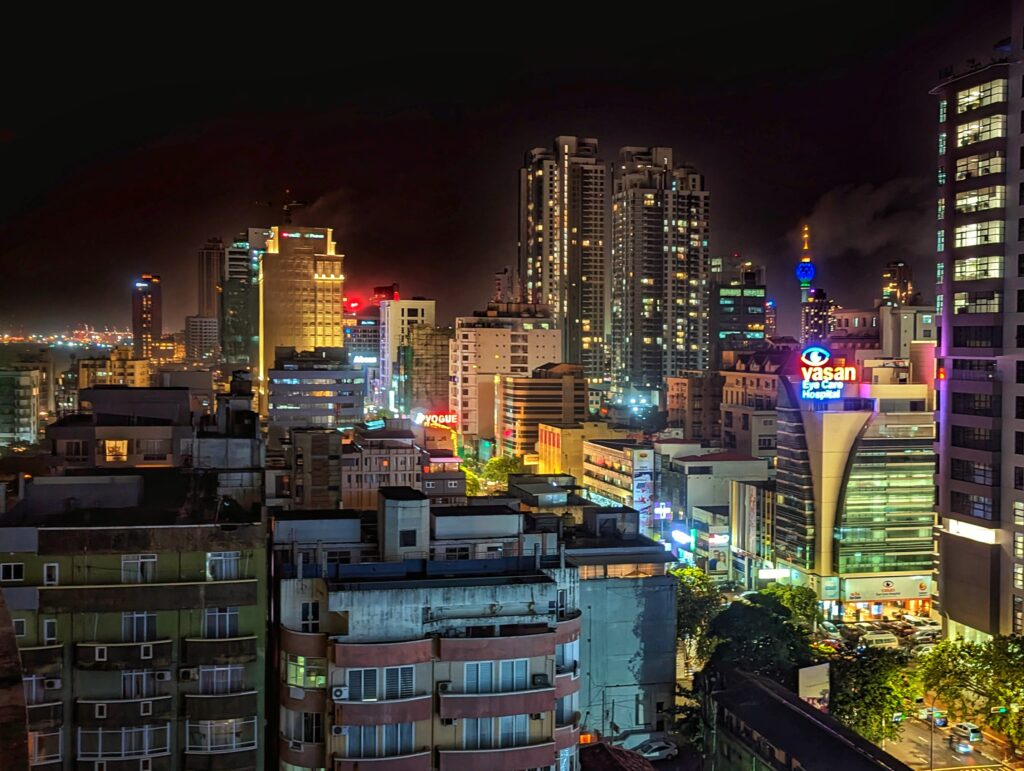
A vibrant nightscape of downtown Colombo showcases a blend of modern skyscrapers and bustling city lights, highlighting its lively urban atmosphere. Photo by Joel M. Hoffman. Copyright Joel M. Hoffman. Used with permission.
Colombo, the commercial heart of Sri Lanka, is a dynamic city where modernity meets tradition. Skyscrapers rise alongside colonial-era buildings, while vibrant markets buzz with activity. Visitors can explore the National Museum or enjoy a leisurely stroll along Galle Face Green.
Kandy: Cultural Hub
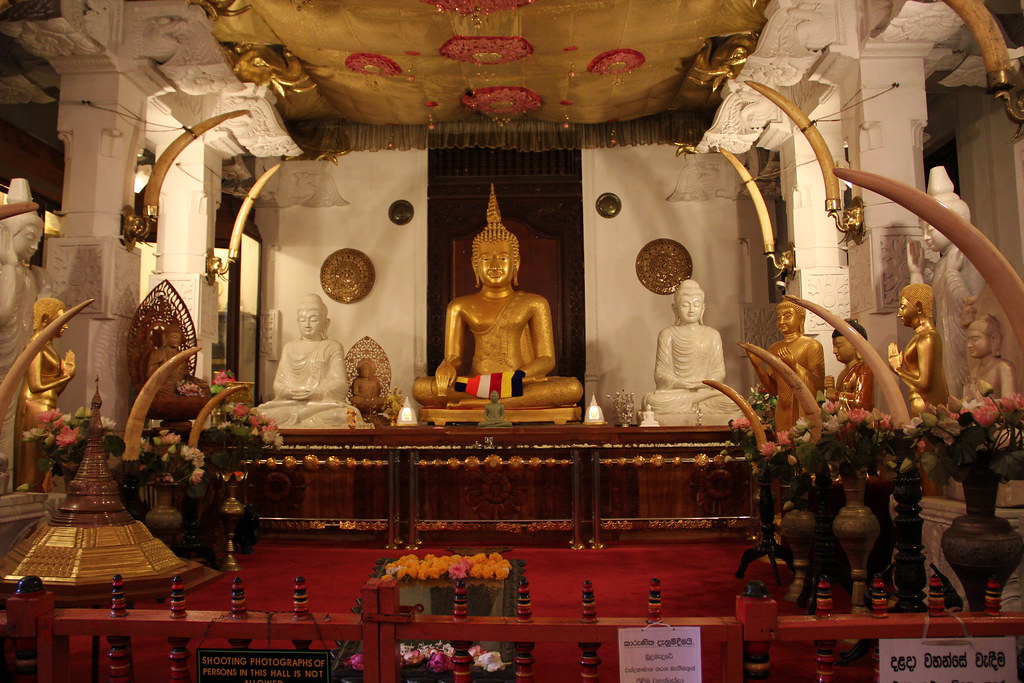
A serene view of the Buddha statues inside the Temple of the Sacred Tooth Relic in Kandy, Sri Lanka, showcasing intricate carvings and rich cultural symbolism. Photo by Antony Stanley. Licensed under CC BY-SA.
Nestled amidst lush hills, Kandy is renowned for its cultural significance. Home to the sacred Temple of the Tooth Relic, this city hosts the annual Esala Perahera festival—a grand procession celebrating Buddhist heritage. The Royal Botanical Gardens offer a tranquil escape with their diverse flora.
Galle: Colonial Charm
Galle’s well-preserved fortifications are a testament to its colonial past. This UNESCO World Heritage Site features cobblestone streets lined with Dutch-era architecture. Visitors can explore quaint boutiques and cafes within the fort or relax on nearby beaches.
Jaffna: Northern Resilience
Jaffna offers insight into Sri Lanka’s Tamil culture and history. After years of conflict, it has emerged as a symbol of resilience and renewal. Explore ancient Hindu temples like Nallur Kandaswamy and savor local delicacies such as Jaffna crab curry.
Ella: Scenic Retreat
For those seeking natural beauty, Ella provides breathtaking vistas from Little Adam’s Peak or Nine Arches Bridge. This hill country town is perfect for hiking enthusiasts eager to explore tea plantations and waterfalls nestled in verdant landscapes. (For much more take a look at our complete guide to Ella.)
Each city and district in Sri Lanka tells its own story—inviting travelers to discover their distinct allure while experiencing the island’s rich tapestry firsthand.
Weather Patterns in Sri Lanka
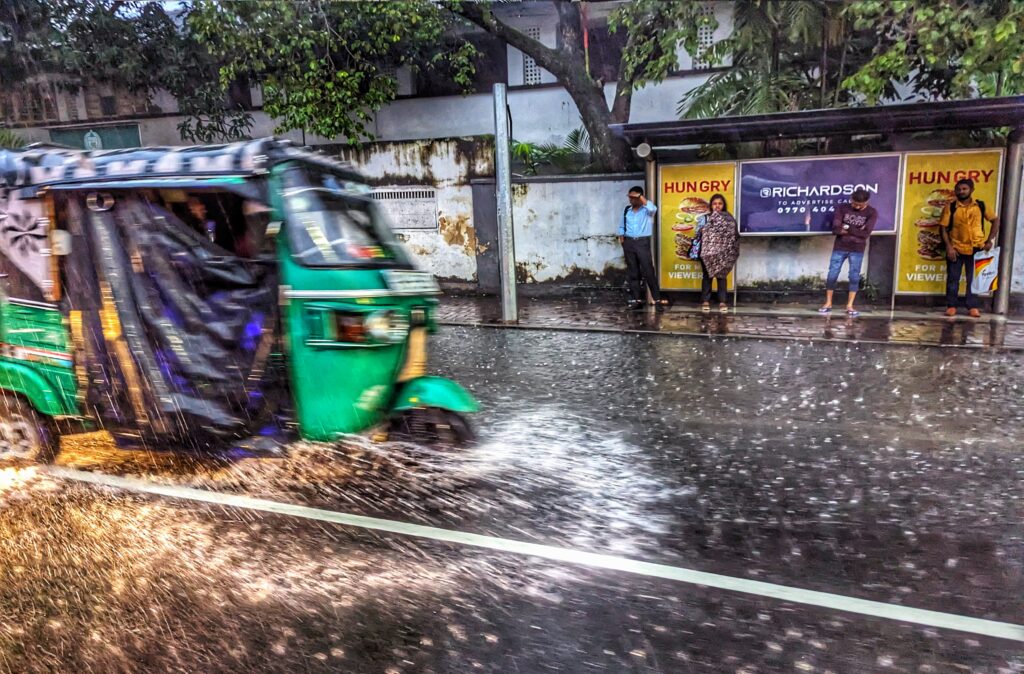
A tuk-tuk splashes through the rain-soaked streets of Colombo, while people huddle under a bus stop for shelter from the downpour. Photo by Joel M. Hoffman. Copyright Joel M. Hoffman. Used with permission.
Sri Lanka’s climate is defined by rain patterns, so you want to make sure to understand them.
Tropical Climate Zones
Sri Lanka enjoys a tropical climate with distinct wet and dry seasons influenced by two monsoon systems. The southwest monsoon (Yala) affects the south and west from May to September, while the northeast monsoon (Maha) brings rain to the north and east from October to January.
Regional Variations
The island’s topography creates microclimates across different regions:
-
Coastal Areas: Expect warm temperatures year-round, ideal for beach activities. The best time for visiting southern beaches like Mirissa is from December to March.
-
Hill Country: Cooler temperatures prevail in areas like Nuwara Eliya and Ella due to higher altitudes. Visit between February and April for clear skies and pleasant weather.
-
Northern Plains: Drier conditions dominate here, making it suitable for exploring Jaffna or Anuradhapura during most months except peak rainy season.
Best Time to Visit
While Sri Lanka can be visited year-round, consider timing your trip based on regional climates:
- Southwest Coast & Hill Country: December to March
- East Coast & Northern Regions: April to September
With its varied climate zones, Sri Lanka offers something special no matter when you choose to visit—whether it’s basking in coastal sunshine or enjoying misty mountain retreats. But do keep the weather in mind. The monsoons tend to shut things down.
Important Cultural Sites in Sri Lanka
Sri Lanka is a living museum of cultural treasures, where sacred temples, ancient cities, and colonial legacies invite exploration. Each landmark tells a story—of devotion, conquest, and creativity—that continues to shape the nation’s vibrant identity.
Sigiriya: The Lion Rock
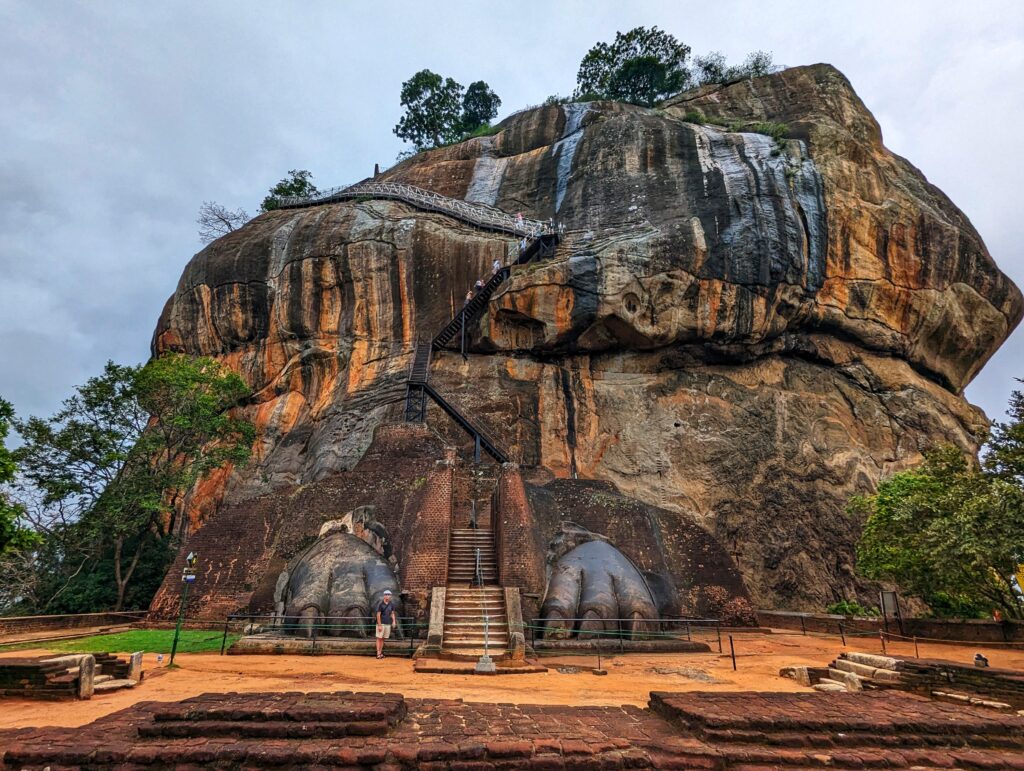
The majestic Sigiriya Rock Fortress in Sri Lanka looms dramatically, with its ancient stairway inviting adventurers to explore the historic ruins atop. Photo by Joel M. Hoffman. Copyright Joel M. Hoffman. Used with permission.
Rising nearly 200 meters above the central plains, Sigiriya is a breathtaking UNESCO World Heritage Site. Built in the 5th century CE by King Kasyapa, this ancient rock citadel boasts stunning frescoes, symmetrical water gardens, and panoramic views from its summit. Its blend of natural wonder and engineering brilliance makes it one of Asia’s most extraordinary archaeological sites.
Temple of the Tooth Relic
Located in the heart of Kandy, this sacred temple houses one of Buddhism’s most revered relics—a tooth of the Buddha. The Temple of the Tooth Relic draws pilgrims and visitors year-round for its spiritual rituals, striking Kandyan architecture, and the spectacular Esala Perahera festival held each summer.
Anuradhapura: Ancient Capital
Once the capital of a mighty Sinhalese kingdom, Anuradhapura flourished for over a thousand years. Its massive stupas, ancient monasteries, and the sacred Bodhi Tree—descended from the tree under which the Buddha attained enlightenment—make it a cornerstone of Sri Lanka’s Buddhist heritage and a place of deep reverence.
Dambulla Cave Temple
Perched atop a rocky hill, the Dambulla Cave Temple complex contains over 150 Buddha statues and walls covered in centuries-old murals. These five richly decorated caves offer a mesmerizing window into Sri Lanka’s religious artistry, preserved remarkably well over time.
Galle Fort
A blend of European elegance and South Asian spirit, Galle Fort is a beautifully preserved relic of the colonial era. Built by the Portuguese and fortified by the Dutch, its cobbled lanes, lighthouse, and ocean views offer a relaxed yet atmospheric setting for cultural discovery.
Together, these cultural landmarks reveal the soul of Sri Lanka—each site a chapter in the story of a nation shaped by faith, empire, and resilience.
Important Historical Sites in Sri Lanka
Sri Lanka’s historical sites stand as open-air chronicles of dynasties, spiritual milestones, and architectural ingenuity. These ancient ruins and monuments provide a powerful sense of continuity with the island’s complex and fascinating past.
Polonnaruwa: The Medieval Marvel
Polonnaruwa rose to prominence in the 11th century after the fall of Anuradhapura. Today, its remarkably intact ruins showcase grand palaces, intricate carvings, and the iconic Gal Vihara—four serene Buddha statues hewn from a single slab of granite. The site reveals a golden age of urban planning and artistry.
Mihintale: Birthplace of Buddhism in Sri Lanka
Revered as the birthplace of Buddhism in Sri Lanka, Mihintale is where the monk Mahinda is said to have met King Devanampiya Tissa in the 3rd century BCE. Pilgrims still ascend its ancient stone stairways to reach the Aradhana Gala viewpoint and meditate among serene forest shrines.
These timeless sites do more than preserve the past—they illuminate it. Visiting them offers not just historical insight, but a deeper understanding of Sri Lanka’s identity and enduring spiritual legacy.
Wildlife Opportunities in Sri Lanka
Sri Lanka is a paradise for wildlife enthusiasts, offering an incredible array of biodiversity within its compact borders. From majestic elephants to sky leopards, the island’s national parks and reserves provide unforgettable encounters with nature.
Yala National Park: Leopard Haven
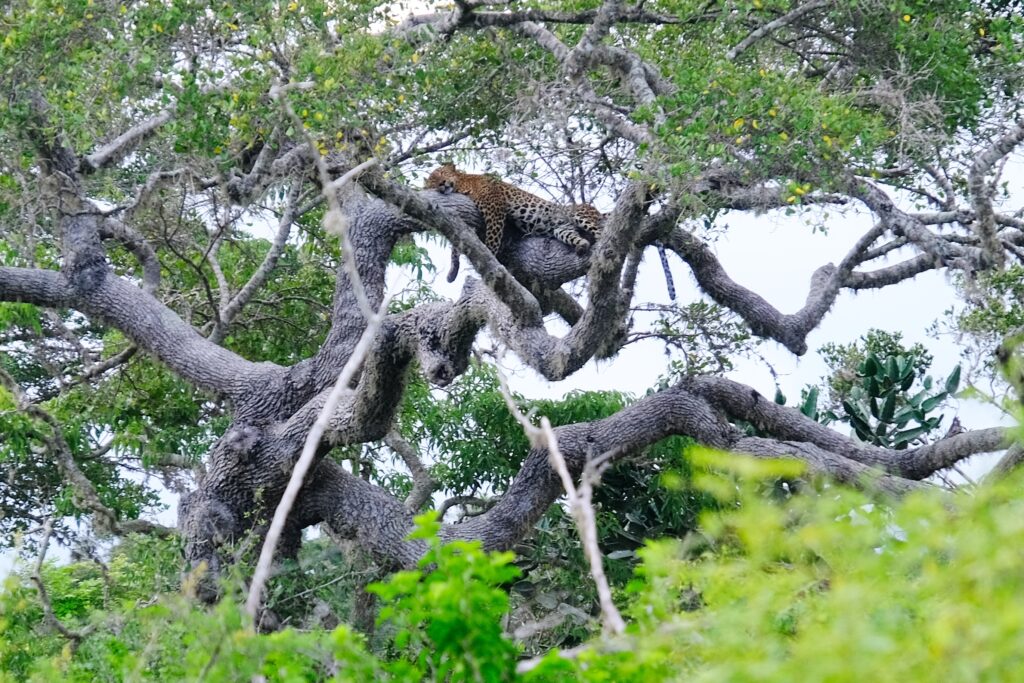
A leopard lounges gracefully on a tree branch, seamlessly blending into the lush greenery of Yala National Park, Sri Lanka. Photo by Joel M. Hoffman. Copyright Joel M. Hoffman. Used with permission.
Yala National Park is famed for having one of the highest leopard densities in the world. Visitors can embark on thrilling safaris to spot these magnificent big cats alongside elephants, sloth bears, and a variety of bird species. Yala is one of the few places in the world where you’re more likely than not to spot a leopard.
Udawalawe: Elephant Encounters
Udawalawe National Park is renowned for its large elephant population. The park offers excellent opportunities to observe these gentle giants in their natural habitat, often seen roaming freely across open plains or bathing in waterholes.
Sinharaja Forest Reserve: Biodiversity Hotspot
As a UNESCO World Heritage Site, Sinharaja Forest Reserve is a treasure trove of endemic flora and fauna. This lush rainforest is home to rare birds like the Sri Lankan blue magpie and vibrant butterflies fluttering amidst dense foliage.
Mirissa: Marine Marvels
Off the coast of Mirissa lies an underwater wonderland where visitors can embark on whale-watching tours. Spotting blue whales—the largest animals on Earth—alongside dolphins frolicking in azure waters makes for an awe-inspiring experience.
Whether you’re exploring terrestrial habitats or venturing into marine realms, Sri Lanka’s wildlife offerings promise adventures that are as diverse as they are exhilarating—making it a must-visit destination for nature lovers worldwide.
Getting to Sri Lanka
Reaching Sri Lanka is not difficult, with international flights connecting the island to major cities across Asia, the Middle East, and Europe. Most travelers arrive via Bandaranaike International Airport (CMB) about an hour with traffic from Colombo, the country’s primary gateway. From there, a world of discovery unfolds—whether you’re headed for the cultural heartland of Kandy, the tea-laced hills of Ella, or the sun-kissed beaches of the south.
Visa requirements are generally straightforward, with many nationalities eligible for online e-visas or visa on arrival, making travel planning refreshingly simple. (But regulations are always in flex, so you’ll want to check first.)
Good Information to Know About Sri Lanka
When planning a trip to Sri Lanka, having some practical information at your fingertips can enhance your travel experience. Here are key insights to ensure a smooth and enjoyable journey.
Currency and Payments
The official currency is the Sri Lankan Rupee (LKR). While credit cards are usually accepted in urban areas, it’s advisable to carry cash. ATMs are readily available in cities.
Language and Communication
Sinhala and Tamil are spoken in their respective communities, and at least rudimentary English is also widespread, at least in tourist areas. Signage often includes English translations, making navigation easier for international visitors. (Working against this is the street names that are unusually long for English speakers.)
Transportation Tips
Sri Lanka offers various transportation options:
- Trains: A scenic way to explore the country, particularly routes through the hill country.
- Buses: An affordable option with extensive networks connecting major towns.
- Tuk-tuks: Exceptionally convenient for short distances; always agree on a fare beforehand or ensure the meter is used.
Cultural Etiquette
Respect local customs by dressing modestly when visiting religious sites—covering shoulders and knees is recommended. Always remove shoes before entering temples.
Taking a selfie with your back to the Buddha is a federal crime.
Health and Safety
Tap water is not safe for drinking; opt for bottled water instead. It’s wise to have travel insurance covering health emergencies. Generally, Sri Lanka is considered safe for travelers but exercise usual precautions regarding personal belongings.
Conclusion: Embrace the Wonders of Sri Lanka
Sri Lanka isn’t just a destination—it’s a vivid experience where history, culture, and nature intertwine in unforgettable ways. From timeworn temples and ancient capitals to bustling cities and sunlit shores, this island nation offers a dazzling range of encounters that appeal to every kind of traveler.
A Journey Through Time and Nature
Stroll through the regal ruins of Sigiriya, trace the path of pilgrims in sacred caves, or simply lose track of time on a palm-fringed beach. Each step reveals a new facet of Sri Lanka’s soul—a seamless blend of ancient legacies and natural wonders that leaves visitors in awe. If you’re asking, “Is Sri Lanka worth the trip?”—the answer is written across every breathtaking view and heartfelt smile.
Unforgettable Experiences Await
From leopard-spotting in Yala National Park to spiritual moments in Kandy’s sacred shrines, Sri Lanka delivers moments that linger long after your journey ends. It’s a place where modern comforts meet timeless traditions, where every meal tells a story, and every sunrise feels like a fresh discovery.
In the end, Sri Lanka is more than a place you visit—it’s a world you feel. Pack your curiosity, bring your sense of wonder, and let the island work its magic. The adventure of a lifetime is waiting.

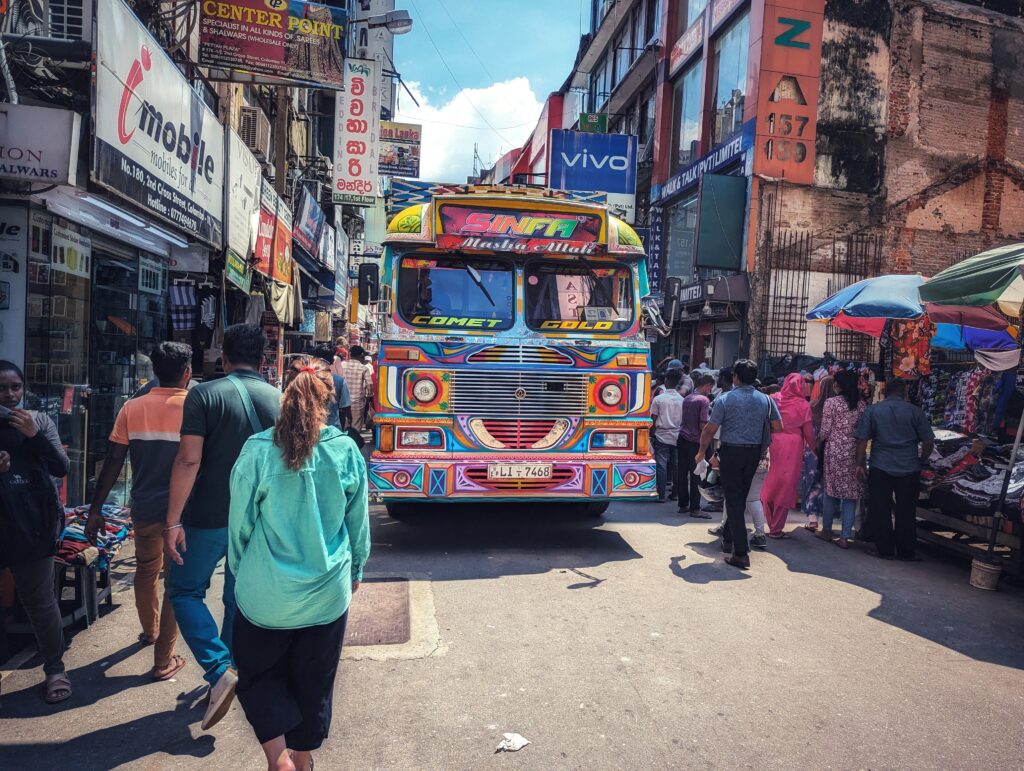
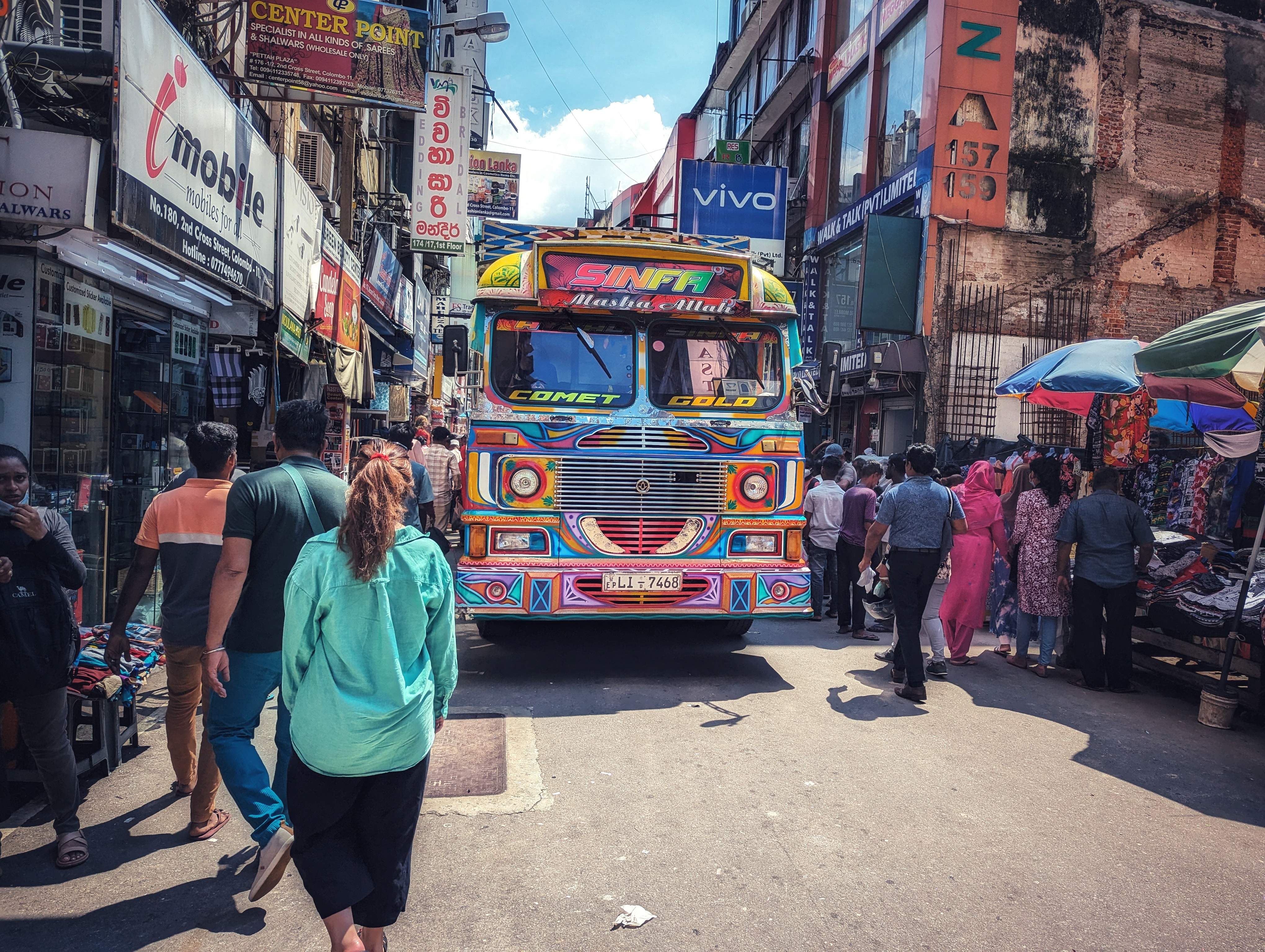
A vibrant bus navigates the bustling streets of Pettah Market in Sri Lanka, surrounded by a lively mix of shoppers and colorful storefronts. Photo by Joel M. Hoffman. Copyright Joel M. Hoffman. Used with permission.