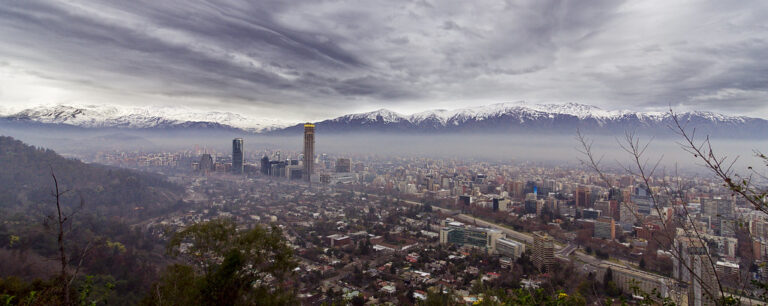
Melbourne’s Top Wildlife Spots: Kangaroos and Koalas and Bats, Oh My!
In the heart of Melbourne, where the urban jungle meets natural wonders, lies a paradise for wildlife photographers eager to capture the vibrant tapestry of life. And it’s not just about kangaroos. (But don’t worry: We’ve got a whole post on photographing wild kangaroos in Melbourne.)
Table of Contents
- Discovering Wildlife Photography in Melbourne
- 1. Royal Botanic Gardens
- 2. Yarra Bend Park
- 3. St. Kilda Pier
- 4. Organ Pipes National Park
- 5. Dandenong Ranges
- 6. Merri Creek Trail
- 7. Werribee Open Range Zoo
- 9. You Yangs Regional Park
- 8. Point Cook Coastal Park
Discovering Wildlife Photography in Melbourne
Melbourne isn’t just about bustling streets and cultural hotspots. It’s also a haven for those who crave nature’s beauty through their camera lens. This guide will unveil some of the best photo spots for wildlife photography in this vibrant city.
1. Royal Botanic Gardens
Description: A serene oasis nestled in the city’s heart, offering lush landscapes and diverse plant life that attract an array of birds and small mammals.
Why Visit: With over 8,500 plant species creating microhabitats, this location is perfect for capturing dynamic interactions between flora and fauna. The gardens are alive with birding opportunities!
Insider Tip: Visit during early morning hours when animals are most active and natural light casts a magical glow over dew-kissed petals.
Photography Tip: Use a telephoto lens to focus on distant subjects without disturbing them—ideal for shy creatures like black swans or colorful parrots.
2. Yarra Bend Park
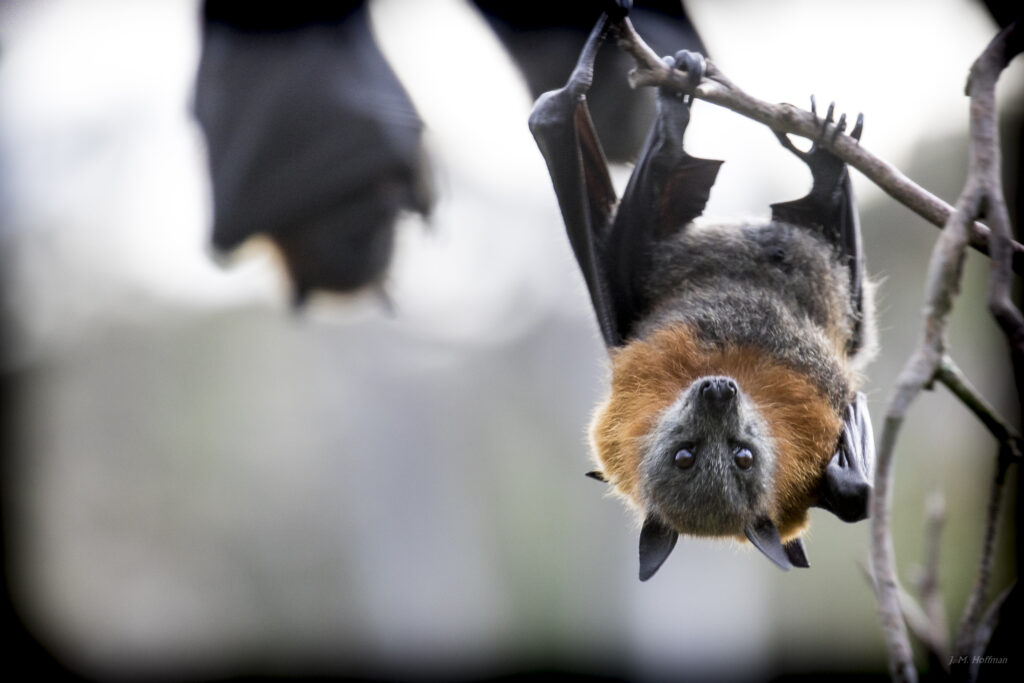
A curious bat hangs upside down, its bright eyes peering into the lens, capturing a moment of whimsical nature. Photo by Joel M. Hoffman. Copyright Joel M. Hoffman. Used with permission.
Description: Spanning across 642 acres along the Yarra River, this park offers expansive views of bushland teeming with wildlife such as flying foxes and native birds.
Why Visit: Known as one of Australia’s largest colonies of grey-headed flying foxes; it’s an exhilarating experience during sunset when thousands take flight against a vivid sky.
Insider Tip: Arrive before dusk to set up your equipment near Bellbird Picnic Area—the best vantage point to witness their spectacular emergence!
Photography Tip: Experiment with slow shutter speeds to capture motion blur trails from bats in flight—a dramatic effect showcasing movement across frames.
3. St. Kilda Pier
Description: Famous not only for its picturesque pier but also home to a hidden gem—a colony of little penguins nesting within breakwater rocks!
Why Visit: Unique opportunity to photograph these adorable creatures returning home at twilight amidst stunning waterfront backdrops.
Insider Tip: Be patient; arrive near dusk when penguins start appearing after long days spent fishing offshore waters—magical moments worth waiting for!
Photography Tip: Keep ISO settings high enough (around ISO 1600) given low lighting conditions while maintaining crisp clarity without excessive noise interference during night shoots involving fast-moving subjects like penguins waddling ashore swiftly under dim skies above headlamps’ beams illuminating paths ahead softly.
4. Organ Pipes National Park
Description: A geological wonderland featuring stunning basalt columns, this park offers a rugged landscape that’s home to diverse wildlife.
Why Visit: The dramatic rock formations attract photographers seeking both scenic beauty and the chance to capture native species like kangaroos and echidnas in their natural habitat.
Insider Tip: Visit during late afternoon for softer light that beautifully illuminates the Organ Pipes, enhancing your landscape shots.
Photography Tip: Use a polarizing filter to reduce glare on rocks and foliage, bringing out colors and textures vividly in your images.
5. Dandenong Ranges
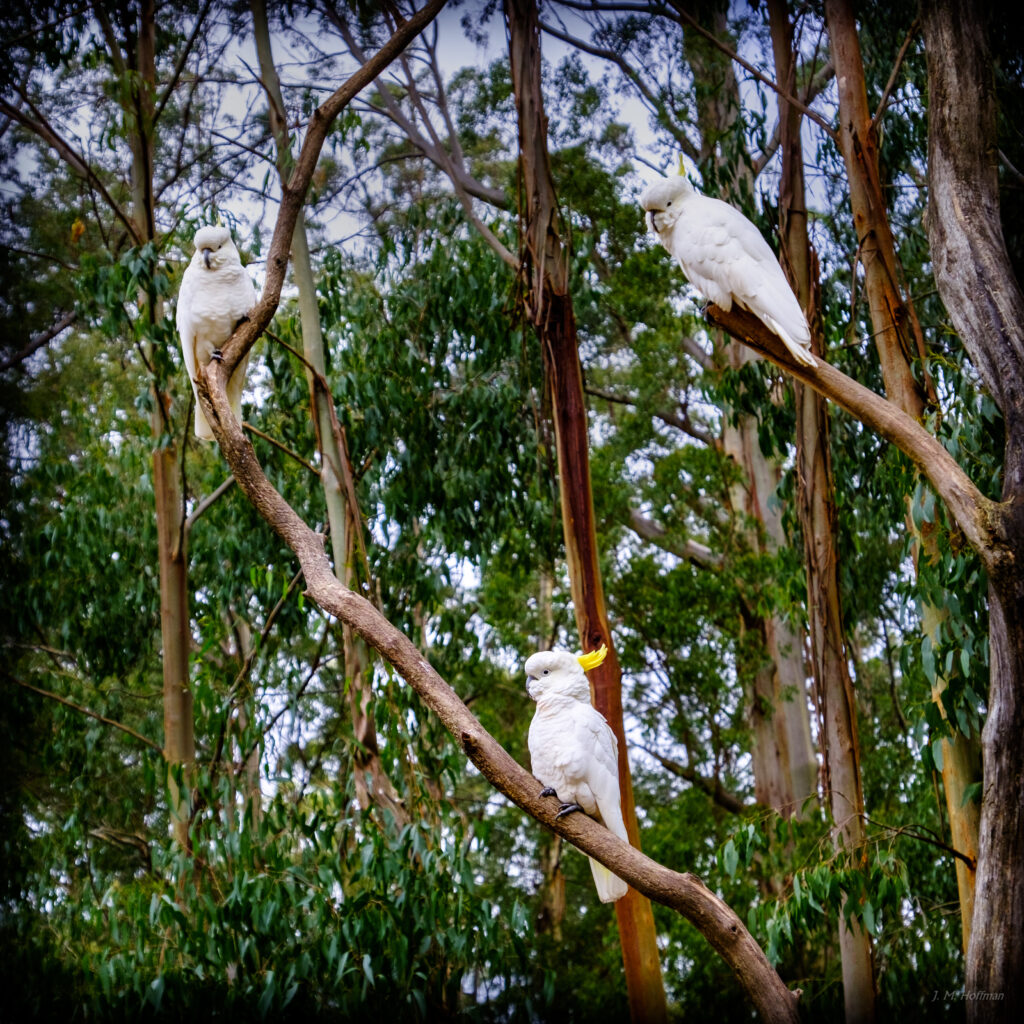
Three majestic white cockatoos perch gracefully on twisting branches, set against a lush backdrop of verdant eucalyptus trees. Photo by Joel M. Hoffman. Copyright Joel M. Hoffman. Used with permission.
Description: Just a short drive from Melbourne, these lush hills are enveloped in misty rainforests echoing with birdsong from lyrebirds and parrots.
Why Visit: The canopy hosts an orchestra of avian life—perfect for birding enthusiasts eager to capture elusive species amidst verdant ferns.
Insider Tip: Head out on cloudy days when diffused lighting enhances forest details without harsh shadows or highlights.
Photography Tip: Employ fast shutter speeds for action shots of birds in flight; consider using burst mode to increase chances of capturing dynamic moments mid-air!
6. Merri Creek Trail
Description: A peaceful escape along Melbourne’s urban corridor, this trail meanders through bushlands where you can spot waterbirds, reptiles, and marsupials alike!
Why Visit: Its proximity makes it accessible yet rich with biodiversity—a hidden gem for capturing intimate portraits of local wildlife amid tranquil settings close by city hustle-bustle boundaries blending seamlessly together.
Insider Tip: Early mornings provide optimal conditions; catch morning mists rising off creek waters creating ethereal atmospheres around subjects photographed.
Photography Tip: Utilize long telephoto lenses combined with fast autofocus systems; patience pays off when tracking erratic movements typical among feeding waders agilely navigating ever-changing environments around them.
7. Werribee Open Range Zoo
Description: Experience a slice of the African savannah just outside Melbourne, where sprawling landscapes host an array of exotic wildlife including giraffes, zebras, and rhinos.
Why Visit: This open-range zoo offers unique opportunities to photograph large animals in settings that resemble their natural habitats. Perfect for those looking to capture majestic creatures up close without leaving Australia.
Insider Tip: Join one of the safari tours for exclusive access to areas where you can get closer to the animals—ideal for intimate portraits and detailed shots!
Photography Tip: Use wide-angle lenses during safari tours to incorporate sweeping landscapes into your animal portraits, providing context and scale that enhance storytelling elements in your images.
8. You Yangs Regional Park
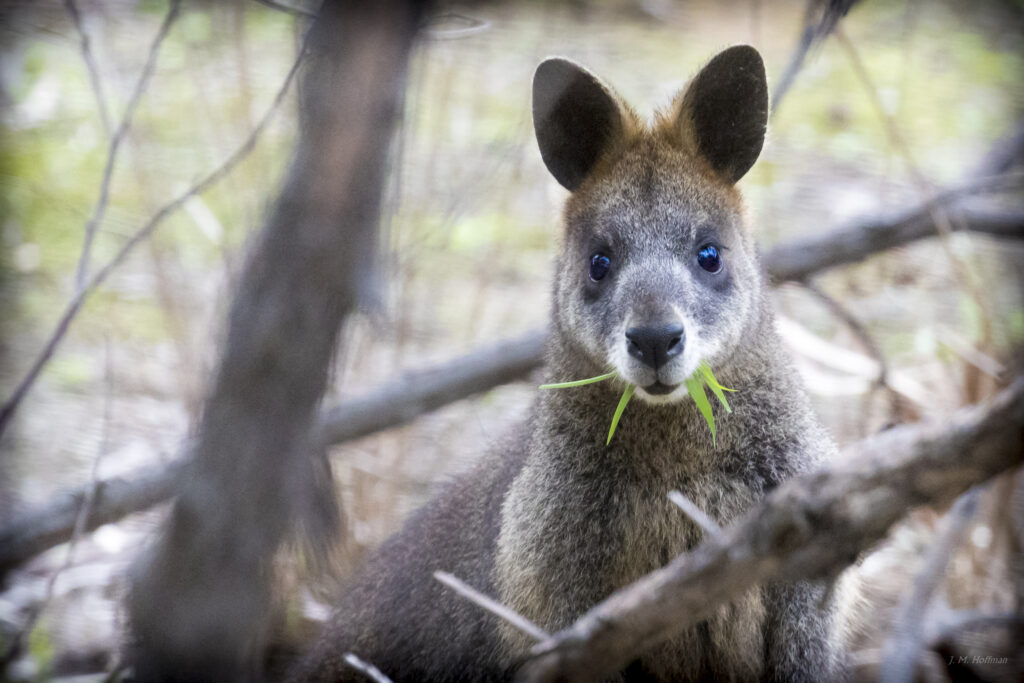
A curious wallaby pauses amidst the underbrush, mouth full of vibrant green grass, capturing a serene moment in nature’s embrace. Photo by Joel M. Hoffman. Copyright Joel M. Hoffman. Used with permission.
Description: Rising like ancient sentinels from the surrounding plains, the granite peaks of the You Yangs offer breathtaking vistas and a diverse range of wildlife habitats, from dry woodlands to rocky outcrops.
Why Visit: This park is a hotspot for spotting wallabies, echidnas, and an impressive variety of birds of prey—including wedge-tailed eagles soaring above the ridgelines. The unique terrain adds dramatic character to every shot.
Insider Tip: Hike up to Flinders Peak for panoramic views and the chance to photograph wildlife against sweeping landscapes. Early mornings provide cooler temps and more active animals.
Photography Tip: Bring a zoom lens to capture raptors in flight from a distance, and a sturdy tripod for scenic wide-angle landscape shots from the summit or open plains below. The golden hour here is especially rewarding.
9. Point Cook Coastal Park
Description: Located along Port Phillip Bay’s shores, this coastal park is a haven for birdwatchers eager to spot waders like oystercatchers and sandpipers darting across tidal flats.
Why Visit: With its diverse ecosystems ranging from wetlands to woodlands, it’s an excellent location for capturing both migratory birds and local marine life against picturesque seascapes.
Insider Tip: Best visited during low tide when more extensive mudflats are exposed—prime feeding grounds attracting flocks of shorebirds, perfect subjects!
Photography Tip: Utilize long telephoto lenses combined with fast autofocus systems; patience pays off when tracking erratic movements typical among feeding waders.

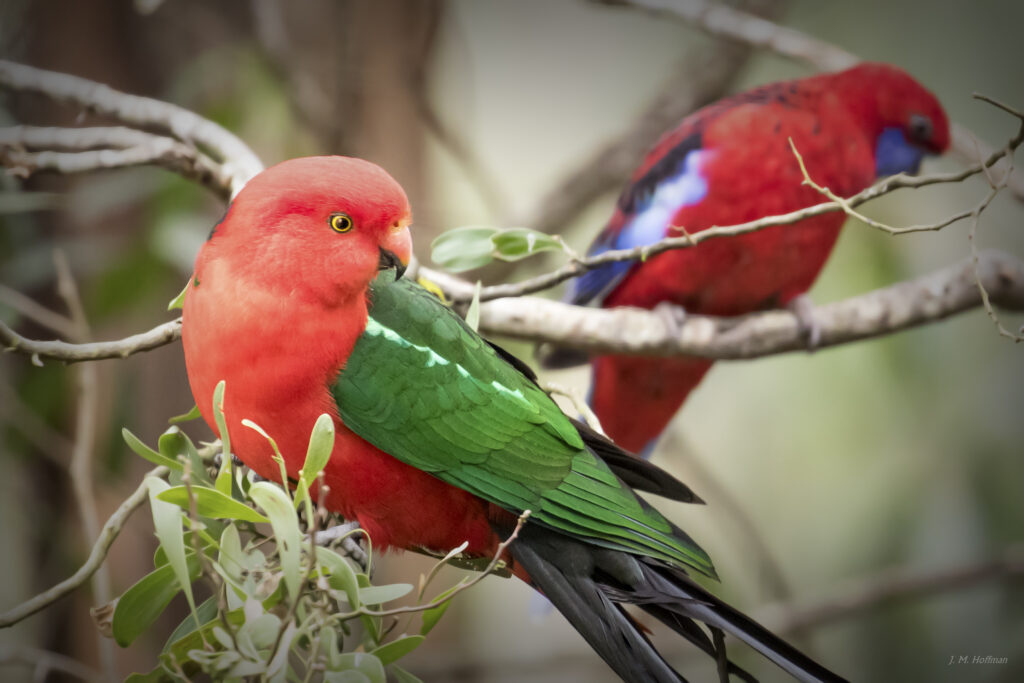
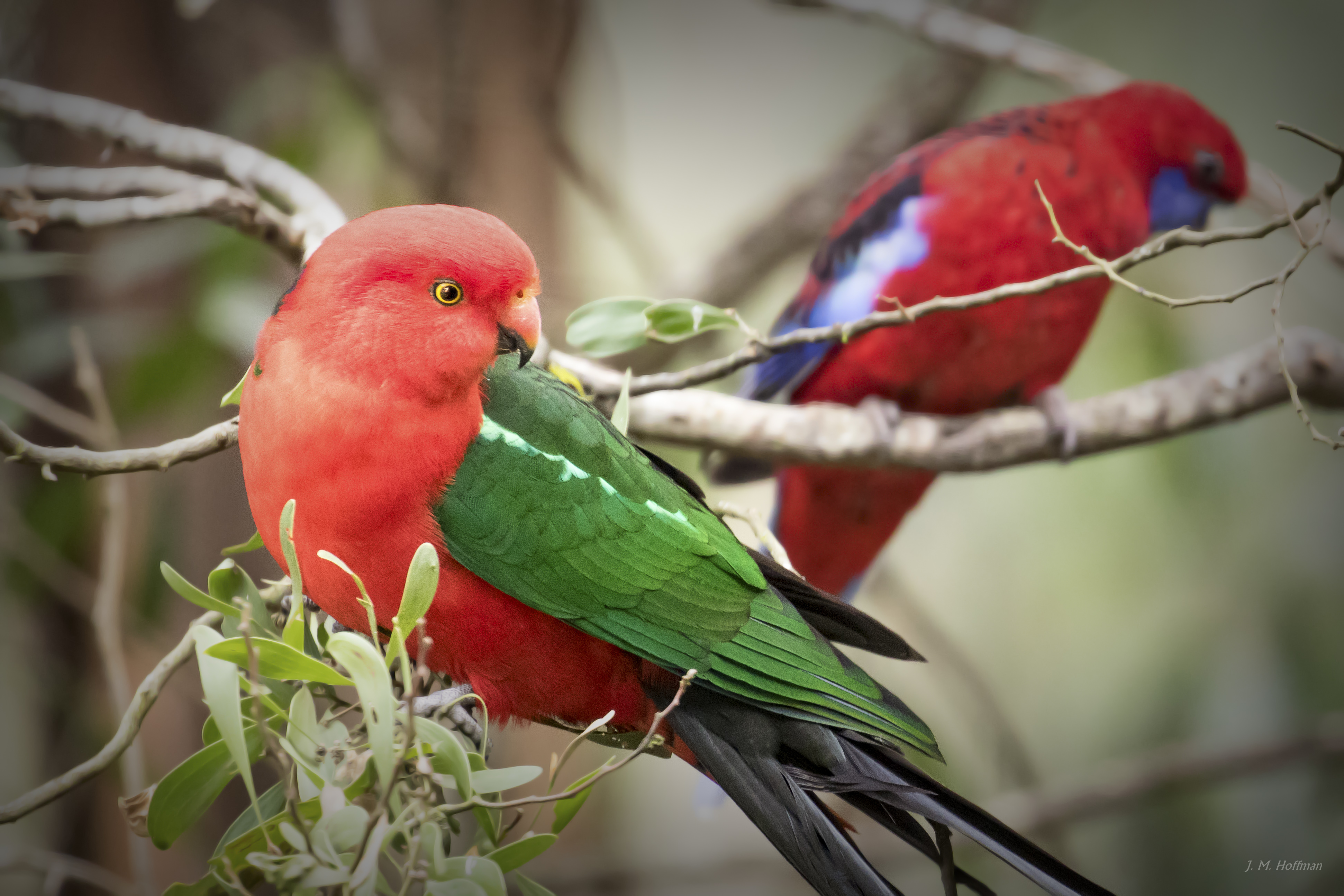
Two vibrant parrots perch gracefully on branches in Melbourne, their vivid red and green plumage creating a striking contrast against the soft-focus background. Photo by Joel M. Hoffman. Copyright Joel M. Hoffman. Used with Permission.