Vegas Vibes: Capturing Motion and Light on the Vegas Strip
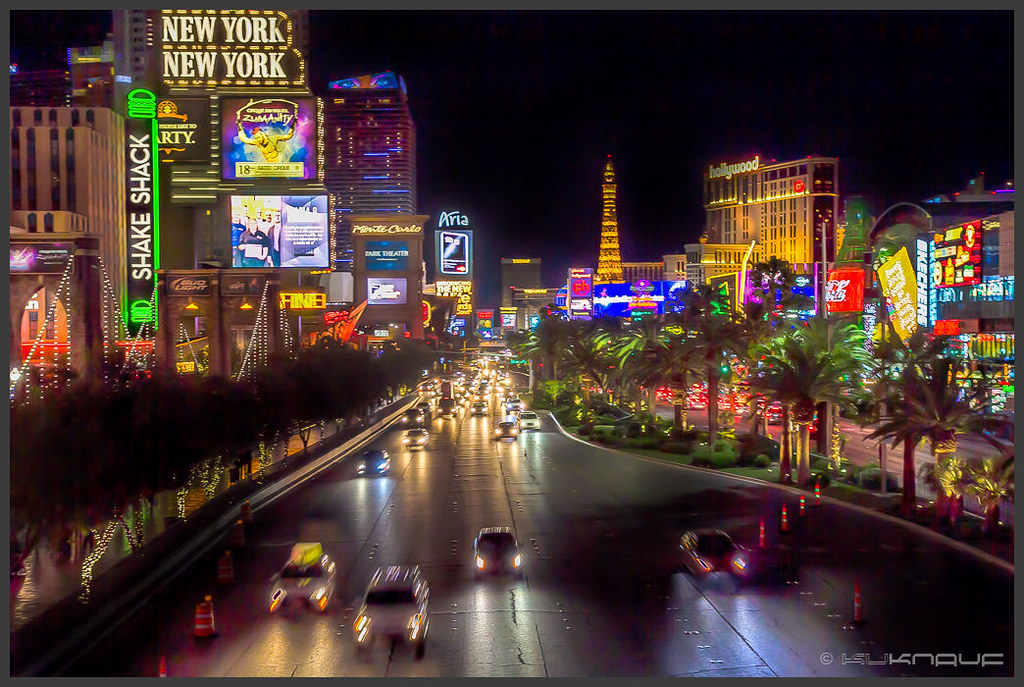
In the vibrant tapestry of nighttime cityscapes, a few photographs rise above the noise and capture the very soul of a place. This shot of the Las Vegas Strip is one of them—a moment where light, motion, and emotion converge into a single unforgettable frame.
Table of Contents
- The Allure of Motion
- Capturing Vibrant Nightlife
- Composition: Organizing Chaos
- Practical Tips for Night Photography
- Embracing the Energy of Las Vegas
- Final Thoughts
The Allure of Motion
What makes this image immediately striking is its fluid use of motion blur. The cars don’t simply pass—they stream across the frame like molten light, lending the scene a sense of living momentum. This is the magic of long exposure photography, where slower shutter speeds—typically between 1/10 and 1 second, though a little faster here—transform ordinary traffic into radiant trails. Experimenting with these settings can turn busy roadways into kinetic art.
Capturing Vibrant Nightlife
Las Vegas at night is an electric jungle of color and light—and this photograph captures that visual symphony with stunning clarity. The neon palette is both intense and precise, demanding careful exposure. Too long and the colors wash out; too short and they fade into shadow. Manual mode is your friend here. Try f/8–f/11 for sharpness and depth, with ISO 100–400 to minimize noise. Balance is key to preserving both the brilliance and the nuance of the Strip’s iconic glow.
Composition: Organizing Chaos
At first glance, the image appears chaotic—lights clashing, signs competing, movement everywhere. But look closer, and you’ll see order beneath the chaos. Leading lines funnel the eye toward a central vanishing point, while architectural anchors like landmark hotels ground the frame. This is intentional composition at work.
To craft similarly dynamic images on your travels:
- Scout your vantage point ahead of time—it can make or break the shot.
- Use symmetry and leading lines to create flow and focus.
- Be patient. In fast-changing urban environments, the right moment often rewards those who wait.
Practical Tips for Night Photography
Technical mastery elevates good night photos to great ones. Here are the essentials:
- Sturdy Tripod: Long exposures demand stability—this is non-negotiable.
- Remote Shutter Release or Timer: Even the tiniest shake can blur your image—hands off the shutter button.
- Post-processing Tools: Editing software like Lightroom lets you fine-tune color and clarity, especially under mixed lighting conditions common in cities at night.
Combined, these techniques unlock the creative potential of the night and allow you to shape light as both subject and medium.
Embracing the Energy of Las Vegas
Photographing the Strip isn’t just about capturing architecture or light—it’s about distilling the spirit of Las Vegas itself. This image radiates that essence: bold, frenetic, unapologetically alive. If you’re aiming to photograph the Las Vegas Strip effectively, think beyond composition. Think about rhythm, energy, and storytelling. Make the frame pulse like the city itself.
Final Thoughts
This photograph is more than a beautiful image—it’s a case study in what makes travel photography meaningful. At its best, a photo doesn’t just record what was seen; it communicates what was felt. That’s the magic worth chasing.
Whether you’re shooting the neon blaze of a sleepless city or the soft hush of a remote landscape, remember this: preparation, patience, and perspective are your most valuable tools. Let your lens do more than observe—let it speak.

The vibrant lights of the Las Vegas Strip illuminate the night, showcasing iconic landmarks and bustling traffic in a dazzling display of energy and excitement.
Link to original. Licensed under CC BY-ND.