Cartagena at Twilight: Stories in Lantern Light
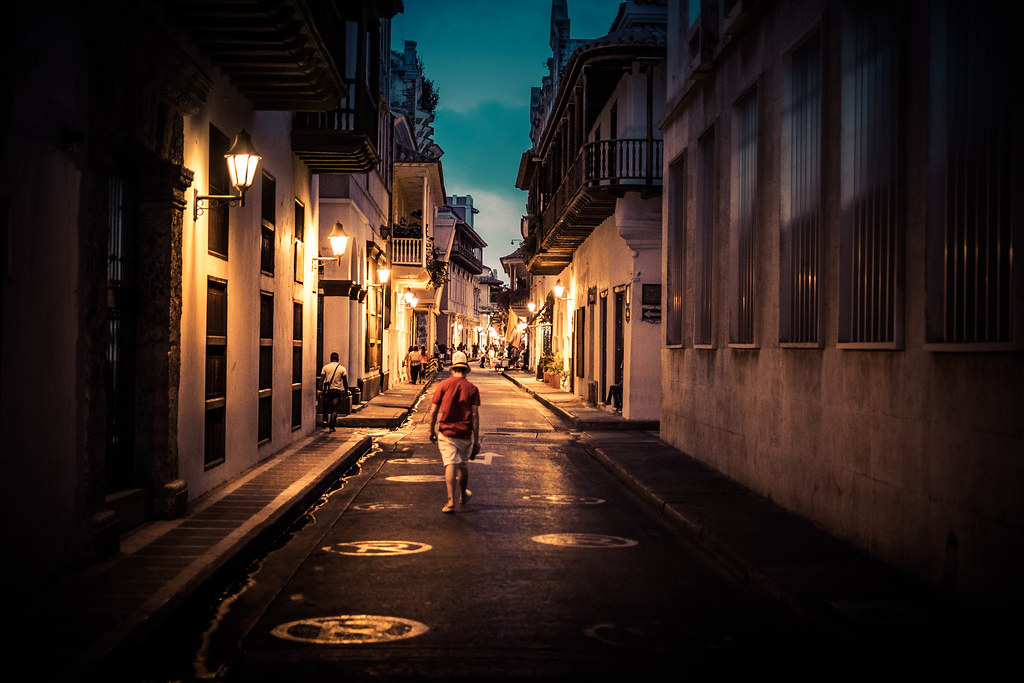
In Cartagena’s twilight hush, lanterns flicker to life as narrow streets stretch into the heart of the old city. Shadows pool in corners, golden light spills across timeworn walls, and history seems to walk beside the living. This photograph captures not just a passerby, but the pulse of a city where past and present meet in a fleeting, luminous moment.
Table of Contents
- Mastering Balance in Street Photography
- Playing with Light
- Blending Old-World Charm with Modern Life
- Tips for Capturing Similar Scenes
- Conclusion
Mastering Balance in Street Photography
At first glance, the solitary figure in the red shirt anchors the scene, drawing us deeper down the glowing street. Yet look beyond: shopkeepers, locals, and small groups linger in the background, their quiet presence expanding the story. The result is a photograph that feels both intimate and communal—an interplay of solitude and togetherness.
This tension is the essence of travel photography: the delicate act of balancing stillness against movement, private stories against the collective hum of city life.
Playing with Light
The alchemy of dusk transforms Cartagena into a canvas of contrasts. Warm lamplight bathes the façades, while the last breath of daylight paints the sky in moody blues. The juxtaposition of artificial glow and natural twilight creates a layered atmosphere that feels cinematic.
Photographers hoping to recreate this magic should time their sessions to the blue hour, when day concedes to night and every surface tells a different story in shadow and gold.
Blending Old-World Charm with Modern Life
The colonial balconies and stone-framed doorways whisper centuries of history, while the casual attire of today’s walkers reminds us that this city lives and breathes in the present. This blend of eras is what makes Cartagena so photogenic—tradition and modernity coexisting in a single frame.
In travel photography, these juxtapositions are invaluable. They contextualize a place as more than picturesque—they capture its evolving identity.
Tips for Capturing Similar Scenes
-
Pause Before Shooting: Watch how people move and interact within the street before lifting your camera.
-
Anchor with a Subject: Choose a figure—like the lone walker here—to guide the viewer’s eye.
-
Use Transitional Light: Early evening or dawn often yields the richest textures and tones.
-
Seek Contrasts: Pair historic backdrops with modern life to add narrative depth.
-
Think Story, Not Snapshot: Ask yourself: what emotion or idea does this frame preserve?
By weaving these techniques into your practice, you’ll elevate your photographs from static images into living, breathing stories of place and time.
Conclusion
This evocative Cartagena street scene reminds us of photography’s power to balance opposites—light and shadow, solitude and community, heritage and modernity. Each frame, when crafted with intention, can become more than a record: it becomes an invitation into the soul of a city.
Look closer, linger longer, and you’ll discover that the most powerful photographs aren’t just seen—they’re felt.

A lone figure strolls through the lantern-lit streets of Cartagena at twilight, where golden light brushes historic facades and the city hums quietly into night. Photo by R. Halfpaap. Licensed under CC BY-ND.