Complete Guide to Bariloche: Argentina’s Scenic Patagonia Escape
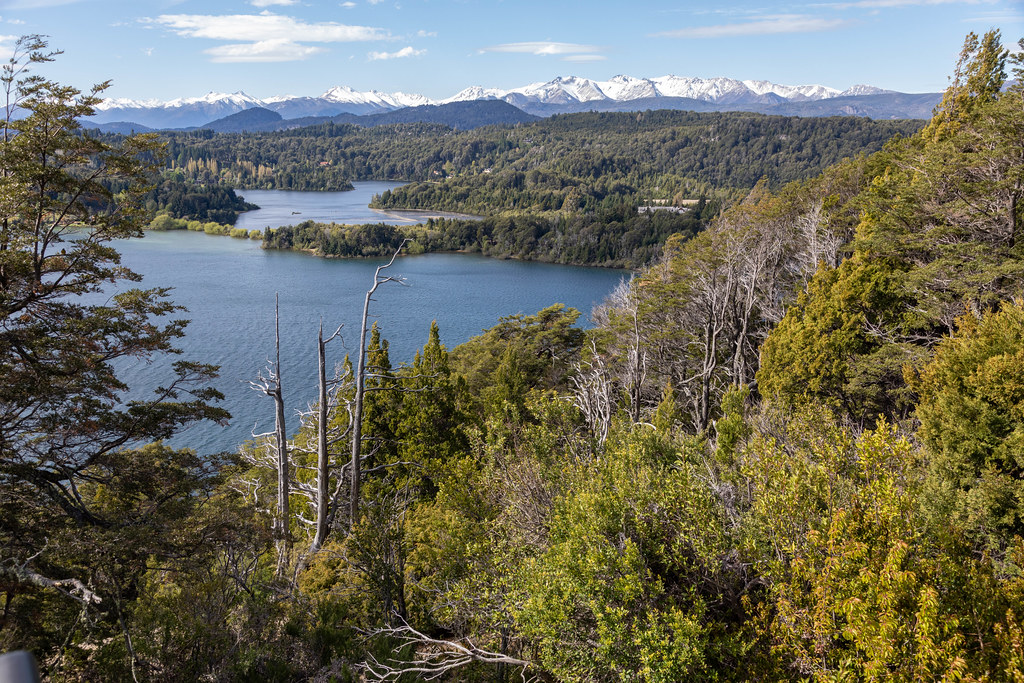
Cradled in the heart of Argentina’s Lake District, Bariloche blends Patagonia’s wild beauty with alpine elegance. Stretching along the sapphire waters of Lake Nahuel Huapi beneath the Andes, its European-inspired architecture meets a distinctly Patagonian spirit—untamed, warm, and irresistibly inviting.
Table of Contents
- Overview: Why Visit Bariloche
- Exploring the Districts of Bariloche
- Discovering Lodging Options in Bariloche
- Savoring the Flavors: Dining Suggestions in Bariloche
- Hiking Adventures in Bariloche
- Nightlife in Bariloche: Where the Fun Begins After Dark
- Must-See Sites in Bariloche
- Essential Information for Visiting Bariloche
- Conclusion: Embrace the Magic of Bariloche
Overview: Why Visit Bariloche
Bariloche is Patagonia’s crown jewel—a playground for adventurers, a refuge for dreamers, and a feast for the senses. Imagine alpine villages against a backdrop of jagged peaks, forests alive with birdsong, and lakes that mirror the sky. Winter blankets Cerro Catedral in snow for world-class skiing, while summer reveals a hiker’s paradise of winding trails and wildflower meadows. Add in its European-infused culture—Swiss-style chalets, German beer halls, and chocolate shops on every corner—and you have a destination where every season feels like the perfect time to visit.
Exploring the Districts of Bariloche
Each corner of Bariloche tells a different story. Downtown hums with life, while its peninsulas and mountain hamlets whisper of tranquility. Here’s where to explore:
Centro Cívico
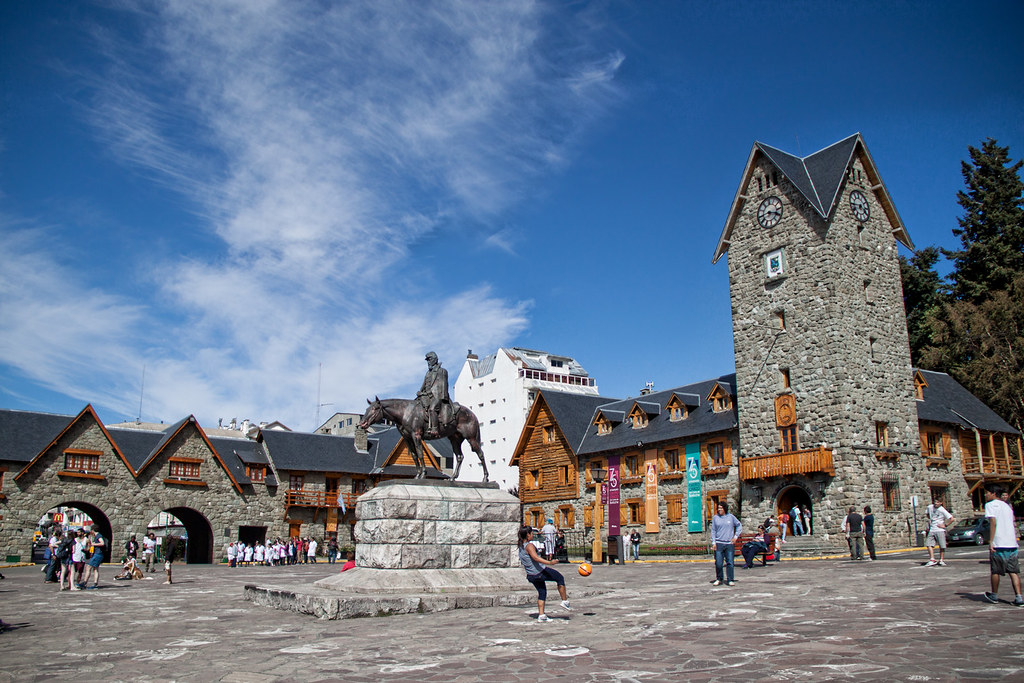
The Centro Cívico in Bariloche, with its charming stone architecture and iconic clock tower, serves as a bustling hub where locals and tourists alike gather to enjoy the vibrant heart of this picturesque Argentine town. Link to original. Licensed under CC BY.
The beating heart of the city, Centro Cívico charms with its stone-and-timber buildings, lively plazas, and proximity to the lakefront. It’s the perfect place to start your journey, coffee in hand, as you watch the rhythm of daily life unfold.
Llao Llao Peninsula
Nature meets elegance here. The peninsula boasts some of the region’s most spectacular viewpoints and hiking trails, as well as the storied Llao Llao Hotel—arguably one of the most scenic luxury stays in the world.
Cerro Catedral
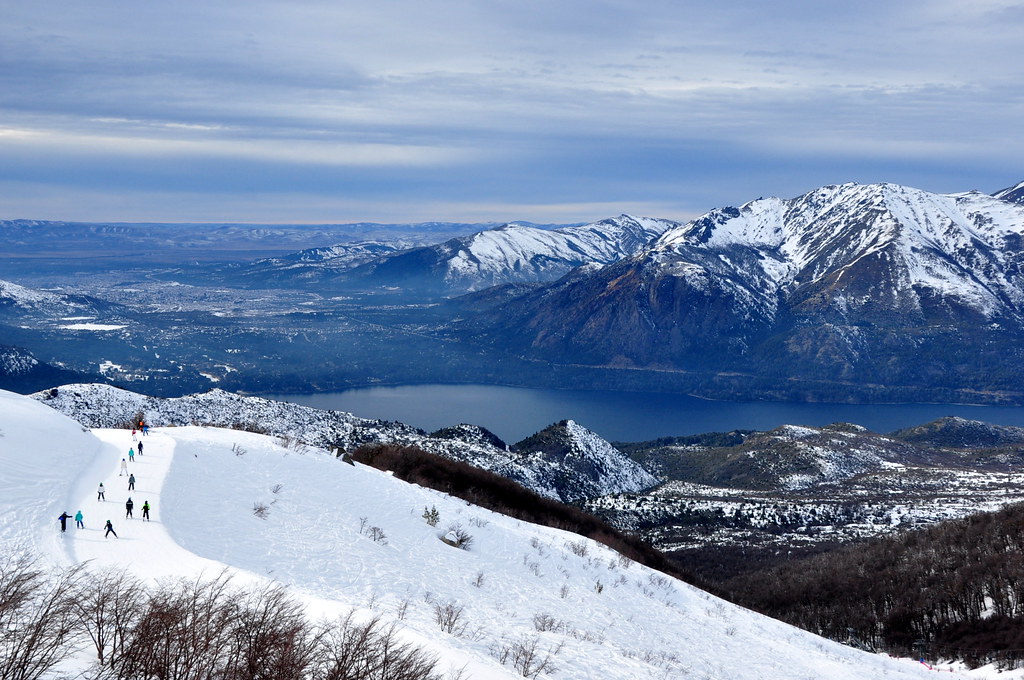
Skiers carve their way down the snowy slopes of Cerro Catedral, with the breathtaking backdrop of Bariloche’s stunning lakes and mountains. Photo by FABIAN KRONENBERGER. Licensed under CC BY-ND.
Renowned as South America’s premier ski hub, Cerro Catedral also thrills summer visitors with its rugged hiking and biking trails. The views from the summit make the climb—or the cable car ride—worth every moment.
Villa Los Coihues
A slower pace defines this lakeside village. Surrounded by forests and set beside the glassy waters of Lake Gutiérrez, it’s ideal for kayaking, swimming, or simply watching the sunset from a quiet pier.
Discovering Lodging Options in Bariloche
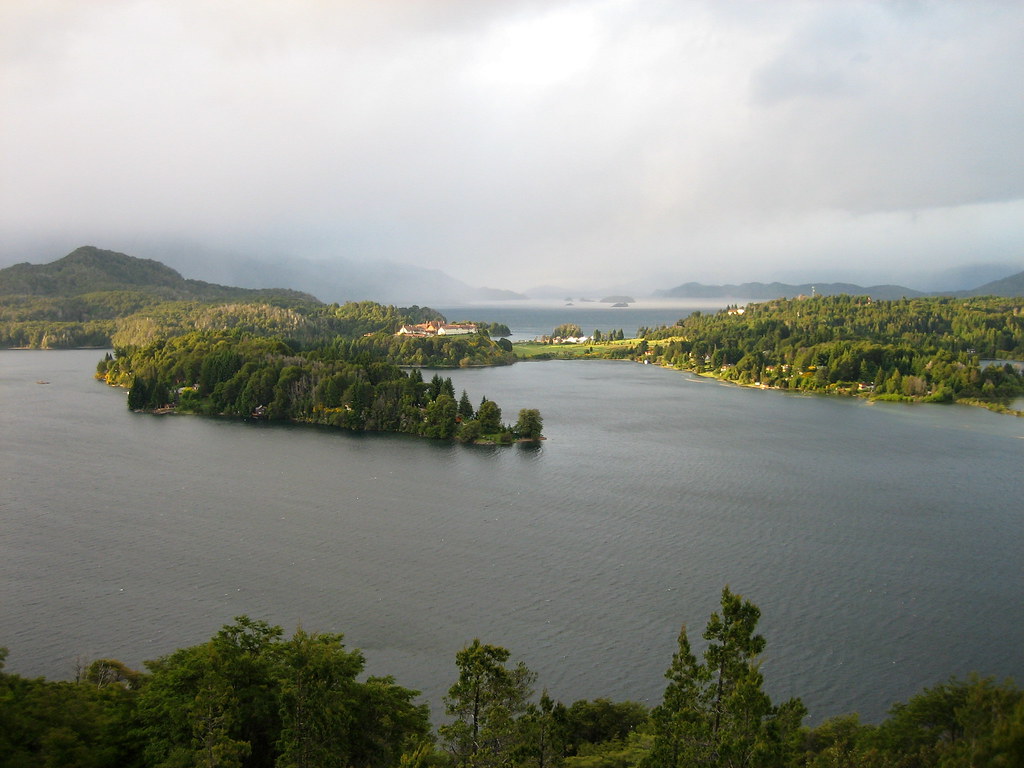
A serene view of the lush, forested islands on Nahuel Huapi Lake in Bariloche, Argentina, with the iconic Llao Llao Hotel perched majestically in the distance. Link to original. Licensed under CC BY.
Whether you crave indulgence, rustic charm, or budget-conscious comfort, Bariloche’s accommodations are as diverse as the landscapes that surround them. From grand lakeside resorts to intimate cabins tucked in the forest, there’s a stay here to match every traveler’s style—and every season.
Luxury Resorts
Bariloche’s luxury resorts are destinations in themselves, offering a seamless blend of natural beauty and refined hospitality. The legendary Llao Llao Hotel & Resort is the crème de la crème, perched on a hilltop with panoramic views of Lake Nahuel Huapi and the Andes. Guests enjoy infinity pools overlooking snowy peaks, championship golf courses, full-service spas, gourmet dining featuring Patagonian specialties, and suites with floor-to-ceiling windows framing postcard-perfect vistas. Winter guests can expect ski concierge services, while summer visitors have easy access to hiking, kayaking, and sailing adventures.
Cozy Cabins
For a more intimate experience, Bariloche’s cabañas—wooden cabins often built from native lenga or cypress—offer a romantic, secluded retreat. Many are nestled along the lakeshore or hidden among lenga forests, with private decks, BBQ pits for asado, and fireplaces that crackle on chilly evenings. These are popular with families seeking self-catering facilities and couples looking to wake up to birdsong and sunrise over the lake. Staying in a cabin puts you right in nature, yet within easy reach of town for dining and supplies.
Budget-Friendly Hostels
Bariloche is well-equipped for backpackers and social travelers, with hostels ranging from lively downtown hubs to quiet hideaways near trailheads. Many offer shared kitchens, group activities like brewery tours, and cozy common areas with wood stoves. Some hostels, such as those near Cerro Catedral, cater specifically to skiers and snowboarders with gear storage and shuttle services. Rates are affordable, but the real draw is the community atmosphere—perfect for swapping travel tips over a local craft beer.
Boutique Hotels
Boutique hotels in Bariloche combine character, comfort, and curated style. These smaller properties often highlight the region’s culture through design elements like handwoven Patagonian textiles, local artwork, and gourmet breakfasts showcasing regional ingredients. Many are owner-operated, meaning attentive, personalized service and insider recommendations on hidden viewpoints, quiet beaches, or the best spot for sunset. A boutique stay can feel like being welcomed into a stylish Patagonian home.
Savoring the Flavors
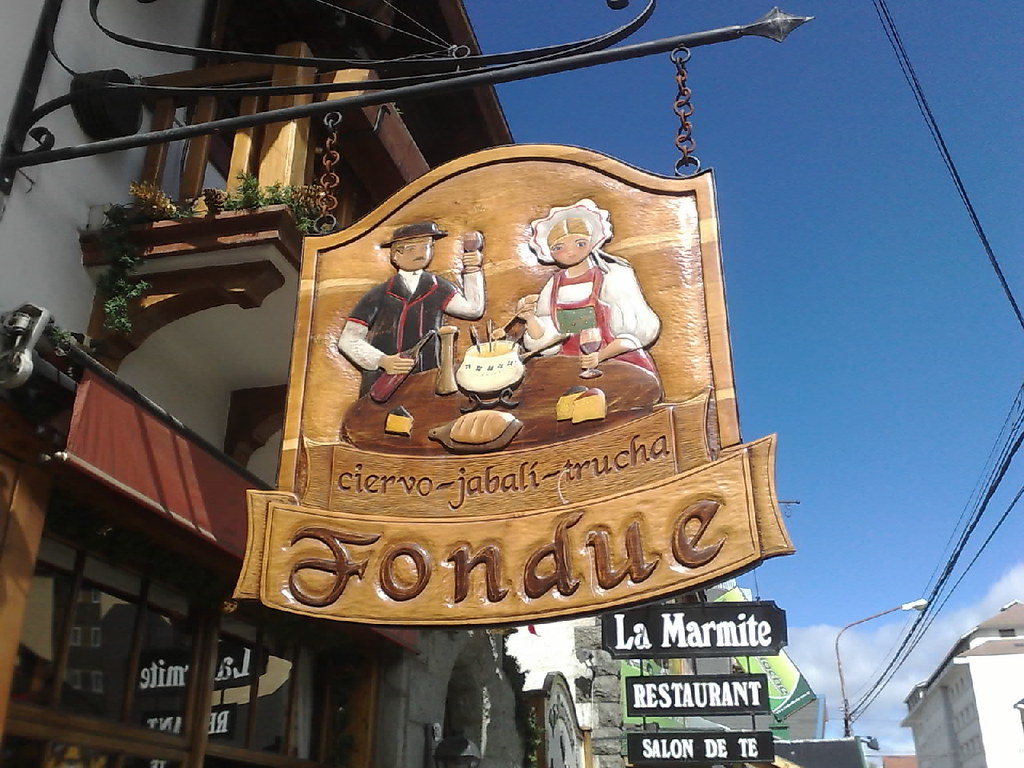
A charming wooden sign for a fondue restaurant in Bariloche evokes European alpine traditions, inviting diners to enjoy dishes featuring venison, wild boar, and trout. Photo by Christian Stocker. Licensed under CC BY-SA.
Food in Bariloche reflects its Patagonian soul and European heritage. Whether you’re savoring slow-cooked lamb under the open sky, sampling world-class chocolate, or enjoying a craft beer brewed with Andean water, dining here is an adventure in itself.
Patagonian Cuisine
Patagonian cooking is hearty, flavorful, and deeply tied to the land. Signature dishes include cordero patagónico—lamb roasted for hours over wood embers until it’s melt-in-your-mouth tender—and freshly caught trout or salmon from nearby lakes. Many restaurants also serve wild boar, venison, and artisanal cheeses from local farms. Pair your meal with a glass of Argentine Malbec or a crisp Patagonian Chardonnay for the full experience.
Chocolate Delights
Bariloche’s reputation as Argentina’s chocolate capital is well-earned. Avenida Mitre is lined with chocolaterías where you can watch artisans at work, tempering glossy bars or filling pralines by hand. From silky milk chocolate to dark blends infused with Calafate berries or Patagonian honey, the variety is endless. Don’t miss the hot chocolate in winter—thick, rich, and served with homemade pastries.
International Fare
The city’s immigrant roots shine through in its dining scene. Italian trattorias dish out wood-fired pizzas and fresh pasta, German beer halls serve sausages and sauerkraut, and Japanese restaurants offer sushi with lake fish and local twists. This variety means you can explore the world’s flavors without leaving town.
Cozy Cafes
Bariloche’s cafe culture is a blend of European tradition and Patagonian warmth. Many cafes boast panoramic windows overlooking the lake or mountains, making them perfect for lingering with a cappuccino or submarino (steaming milk served with a chocolate bar to melt inside). Pair your drink with a slice of torta galesa, a dense Welsh cake rich with dried fruit—a nod to the region’s Welsh heritage.
Hiking Adventures
Bariloche’s trails offer everything from family-friendly strolls to demanding treks into rugged wilderness. The landscapes shift from emerald forests to alpine meadows, sheer rock spires, and mirror-like lakes, rewarding hikers with views that linger in memory.
Cerro Campanario
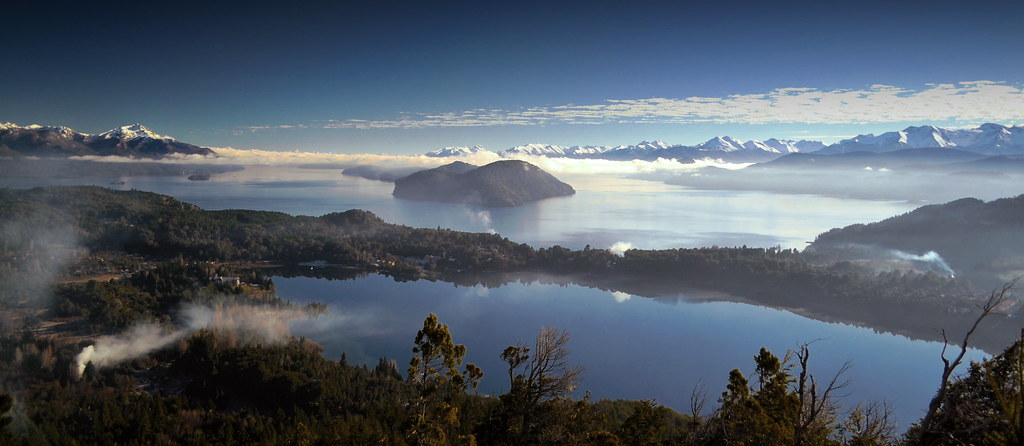
From the summit of Cerro Campanario, a dreamscape unfolds—lakes mirror the sky’s whispers, while mountains stand as silent sentinels guarding nature’s tranquil masterpiece. Photo by Dario Rodriguez. Licensed under CC BY-SA.
A short but steep hike—or a quick chairlift ride—leads to what National Geographic has called one of the “Top Ten Views in the World.” From the summit, a 360-degree panorama stretches across the lake-studded steppe, the snow-capped Andes, and the lush peninsulas of the Nahuel Huapi National Park.
Refugio Frey
This challenging day hike ascends through beech forests, past sparkling streams, and up rocky switchbacks to a mountain hut cradled beside a glacial lake. Jagged granite spires rise dramatically behind the refugio, making it a favorite for climbers and photographers alike. Overnight stays are possible for those wanting to stargaze far from city lights.
Circuito Chico
A scenic loop that’s as much about the journey as the destination. Whether you walk or cycle its 27 kilometers, you’ll pass secluded beaches, iconic viewpoints like Punto Panorámico, and trails leading to hidden bays. Cafes and craft shops along the way invite unhurried stops.
Laguna Negra
One for seasoned hikers, this demanding trail winds through dense forest before breaking into high alpine terrain. The payoff is a secluded dark-water lake surrounded by steep cliffs—a dramatic and less-visited corner of Nahuel Huapi National Park.
Nightlife
After a day on the slopes or trails, Bariloche comes alive in a different way. Its nightlife is as varied as its landscapes—offering both high-energy clubs and quiet, starlit strolls along the lake.
Bars and Breweries
The craft beer scene here is vibrant, with breweries like Patagonia and Berlina serving everything from crisp lagers to decadent chocolate stouts. Many have patios overlooking the lake, live music, and hearty pub fare perfect for refueling after an active day.
Nightclubs
Bariloche’s clubs cater to a youthful, energetic crowd, often staying busy until sunrise. Expect a mix of electronic beats, Latin rhythms, and live performances. Popular spots feature themed nights, guest DJs, and panoramic dance floors with lake views.
Cultural Evenings
For a slower pace, enjoy an evening of tango or a peña—a traditional folk gathering with music, dance, and regional cuisine. These events offer an authentic glimpse into Argentine culture beyond Patagonia’s natural wonders.
Evening Strolls
The lakefront path is magical after dark, lit by warm shopfronts and the reflection of city lights on the water. In summer, you might find street musicians playing as you wander; in winter, the crisp night air makes every star seem brighter.
Must-See Sites
Bariloche’s attractions span the natural and the cultural, each offering its own slice of Patagonian magic.
Nahuel Huapi National Park
The first national park in Argentina, Nahuel Huapi is a vast expanse of peaks, glaciers, rivers, and deep blue lakes. It’s home to diverse wildlife including condors, guanacos, and elusive pumas, making it a paradise for nature lovers.
Cerro Otto
This easily accessible peak offers breathtaking views and a unique revolving cafe at its summit. In winter, the slopes are dotted with snowshoers and sledders; in summer, wildflowers line the hiking trails.
Centro Cívico
A postcard-perfect square framed by alpine-style stone and timber buildings, the Centro Cívico is home to museums, shops, and seasonal festivals, as we describe above.
Llao Llao Hotel & Resort
Even if you’re not staying here, the historic Llao Llao is worth visiting for its sweeping views and striking architecture. Enjoy afternoon tea in its grand lounge, where huge windows frame the lakes and mountains like living paintings.
Essential Information
Bariloche is welcoming year-round, but a few practical tips can make your trip even smoother.
Best Time to Visit
Winter (June–September) draws skiers to Cerro Catedral, while summer (December–March) is perfect for hiking, boating, and enjoying long, sunny days. Autumn offers fiery foliage with fewer crowds, and spring brings wildflowers to the valleys. Because winter in North America is summer here, Bariloche makes an especially good winter escape from the U.S., Canada, and even Europe.
Getting Around
Public buses are affordable and reliable for city and nearby attractions. Renting a car allows greater freedom to explore remote trails and viewpoints, but be prepared for winding mountain roads.
Local Currency
The Argentine Peso (ARS) is the local currency. ATMs are available in town, though some charge high fees. Smaller cafes and shops often prefer cash.
Language
Spanish is the primary language. While English is spoken in tourist areas, learning a few Spanish phrases can enhance your interactions and is appreciated by locals.
Safety Tips
Bariloche is generally safe, but as with any tourist destination, keep an eye on belongings, especially in crowded areas. Check weather forecasts before hiking, as conditions in the mountains can change quickly.
Conclusion: Embrace the Magic of Bariloche
Bariloche is Patagonia distilled—wild landscapes softened by warm hospitality, cultural depth, and a touch of alpine elegance. And when you leave, it’s the memory of sunlight spilling over the Andes mirrored in the quiet ripple of Nahuel Huapi’s waters that will follow you home.

A breathtaking view of Lake Nahuel Huapi in Bariloche, framed by lush forests and distant snow-capped peaks, offers a serene escape into nature’s grandeur. Photo by David Brossard. Licensed under CC BY-SA.