Photographing the Taj Mahal: Mastering the Majestic:
The Taj Mahal isn’t just a monument to eternal love—it’s a visual symphony of symmetry, scale, and craftsmanship that challenges photographers to rise to its grandeur. Capturing it well is as much about timing and technique as it is about heart and perspective.
Table of Contents
- Capturing Scale in Iconic Architecture
- Mastering Light and Shadow
- Composition Techniques
- Utilizing Perspective for Impact
- Takeaways for Aspiring Photographers
- Capturing Iconic Moments
- Final Thoughts
Capturing Scale in Iconic Architecture
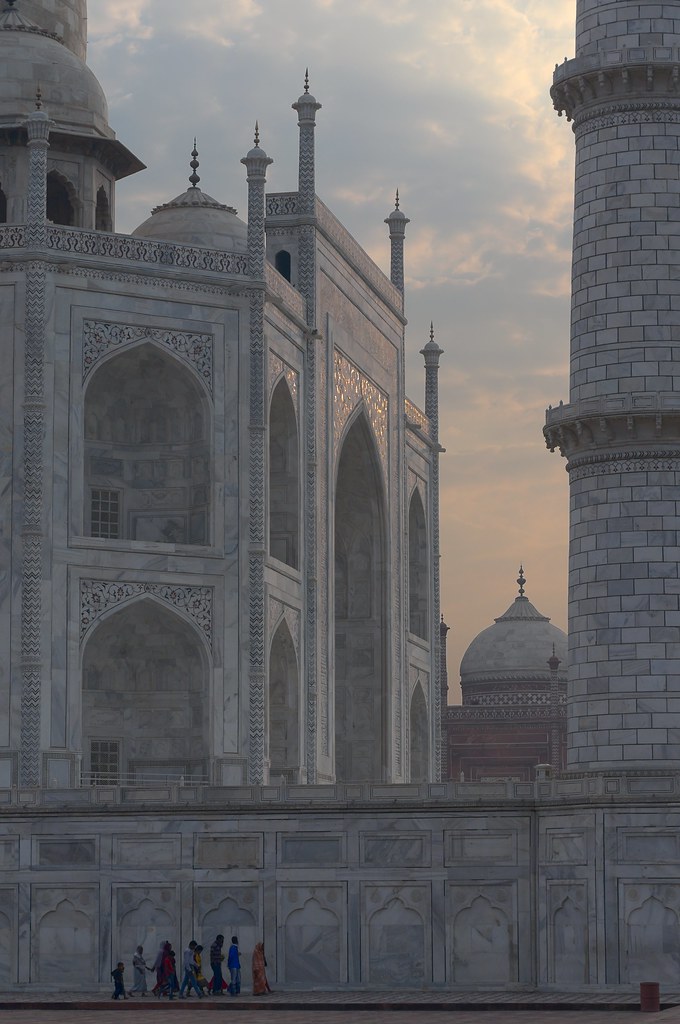
One of the most compelling aspects of this image is how it subtly introduces human figures into the frame. These small silhouettes immediately emphasize the colossal scale of the Taj Mahal, reminding us just how massive—and majestic—this structure truly is. Including people or familiar objects in your frame helps ground the viewer and gives context to an otherwise overwhelming subject.
Mastering Light and Shadow
The delicate interplay of light and shadow in this photo adds a sense of drama and depth. Captured during the soft glow of golden hour—either at dawn or dusk—the warm hues contrast beautifully with the cool marble, making the intricate carvings glow with character.
If you’re wondering how to photograph the Taj Mahal—and of course you are!—your best bet is to arrive early or linger late. The natural light during these hours softens details while enhancing atmosphere, lending your image a timeless, almost ethereal quality.
Composition Techniques
The image demonstrates a refined use of architectural symmetry and leading lines. Arches, minarets, and ornamental gardens act as visual guides, pulling the viewer’s eye inward and upward. The result is a dynamic flow that keeps attention moving throughout the frame.
Strong composition is what separates snapshots from storytelling. Don’t be afraid to shoot from unusual angles, incorporate reflections from nearby pools, or experiment with vertical framing to break away from the typical postcard look.
Utilizing Perspective for Impact
Perspective is power—and this photo uses it masterfully. By aligning various architectural features toward a vanishing point, it introduces tension and curiosity: where does the eye go next? The result is a photograph that feels alive, inviting the viewer to step into the scene.
Whether you’re capturing a timeless landmark or a lesser-known temple, shifting your angle—low to high, near to far—can breathe new life into your travel photography.
Takeaways for Aspiring Photographers
- Include Human Elements: A person in the frame offers scale and emotional connection.
- Chase the Right Light: Golden hour yields warmth, shadow, and definition without harsh glare.
- Compose with Purpose: Use symmetry, framing, and leading lines to guide the viewer’s gaze.
- Experiment with Perspective: Play with angles to create mood and movement.
- Wait for the Moment: Patience can be your greatest asset—especially when nature and architecture align just right.
These tips, drawn from today’s stunning capture of India’s crown jewel, will serve you well whether you’re learning how to photograph the Taj Mahal or simply striving to deepen your visual storytelling across the world’s wonders.
Capturing Iconic Moments
When shooting a site as widely photographed as the Taj Mahal, originality becomes your creative challenge. Look for interactions—children chasing birds, couples holding hands, light filtering through mist. These fleeting, human moments breathe freshness into even the most familiar subjects.
Final Thoughts
This image is more than just a picture—it’s a meditation on timing, perspective, and presence. As you develop your own photographic voice, remember that the most powerful images don’t just show—they transport. They resonate. They make the viewer pause.
Whether you’re standing before the Taj Mahal or a quiet village temple, bring thoughtfulness to your craft. Seek the light. Frame the story. Wait for the moment. And press the shutter with purpose.

A serene view of the Taj Mahal at dusk captures its intricate marble details, while a group of visitors adds scale and life to the scene. Photo by Gwen Fran. Licensed under CC BY-SA.