Wild Singapore: Best Wildlife And Nature Photography Spots in Asia’s Model City
Within minutes of leaving Singapore’s glittering skyline, the city’s rhythm shifts from the hum of traffic to the rustle of palm fronds and the call of kingfishers. Beyond its glass towers and sculpted gardens, Singapore shelters pockets of wilderness where monitor lizards bask on forest floors, otters glide through mangroves, and migratory birds fill the skies each season. For photographers, this city-state offers more than urban perfection—it’s a chance to capture the untamed heartbeat of nature thriving at the edge of modernity. Here’s how.
Table of Contents
- 1. Sungei Buloh Wetland Reserve
- 2. Bukit Timah Nature Reserve
- 3. Pulau Ubin
- 4. MacRitchie Reservoir Park
- 5. Southern Ridges
- 6. Singapore Botanic Gardens
- 7. Coney Island Park
- 8. Pasir Ris Park
- 9. Mandai Wildlife Reserve
- 10. Kranji Marshes
- Conclusion
1. Sungei Buloh Wetland Reserve
Nestled in the northwestern part of Singapore, Sungei Buloh Wetland Reserve offers a lush escape into nature’s sanctuary. This reserve is internationally recognized as an important site for migratory birds, making it ideal for bird enthusiasts.
Why Visit: The reserve is home to over 200 species of birds, including shorebirds like sandpipers and plovers. During migration seasons (September–March), it becomes a haven for photographers looking to capture rare avian visitors.
Insider Tip: Visit at low tide when mudflats are exposed; this is when waders come out in droves searching for food.
Photography Tip: Use a long telephoto lens (300mm or more) to capture detailed shots without disturbing these sensitive creatures.
2. Bukit Timah Nature Reserve
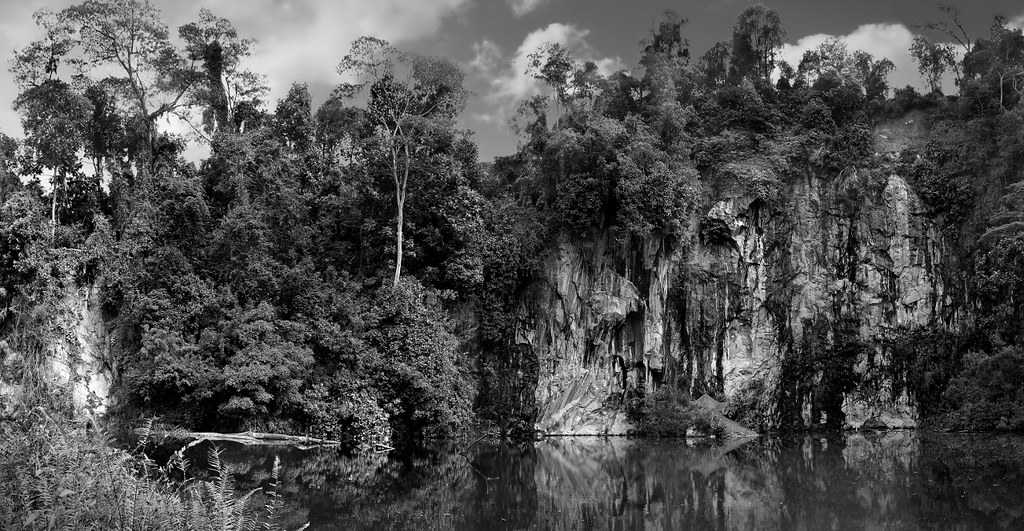
Bukit Batok Nature Park in Singapore offers a serene landscape of lush greenery and reflective waters, making it an ideal spot for wildlife viewing. This tranquil setting is perfect for nature enthusiasts seeking a peaceful retreat. Photo by Erwin Soo. Licensed under CC BY.
Known as one of Singapore’s last remaining primary rainforests, Bukit Timah Nature Reserve offers unparalleled opportunities to photograph native flora and fauna amidst dense greenery.
Why Visit: Home to about 840 species of flowering plants and some 400 species of fauna, including long-tailed macaques and colugos, it’s perfect for macro photography enthusiasts keen on capturing intricate details of plant life or small animals.
Insider Tip: Early mornings offer soft lighting that beautifully illuminates the forest floor—ideal conditions for shooting under thick canopies.
Photography Tip: Bring along a sturdy tripod; low-light conditions demand slower shutter speeds which require stability to avoid camera shake.
3. Pulau Ubin
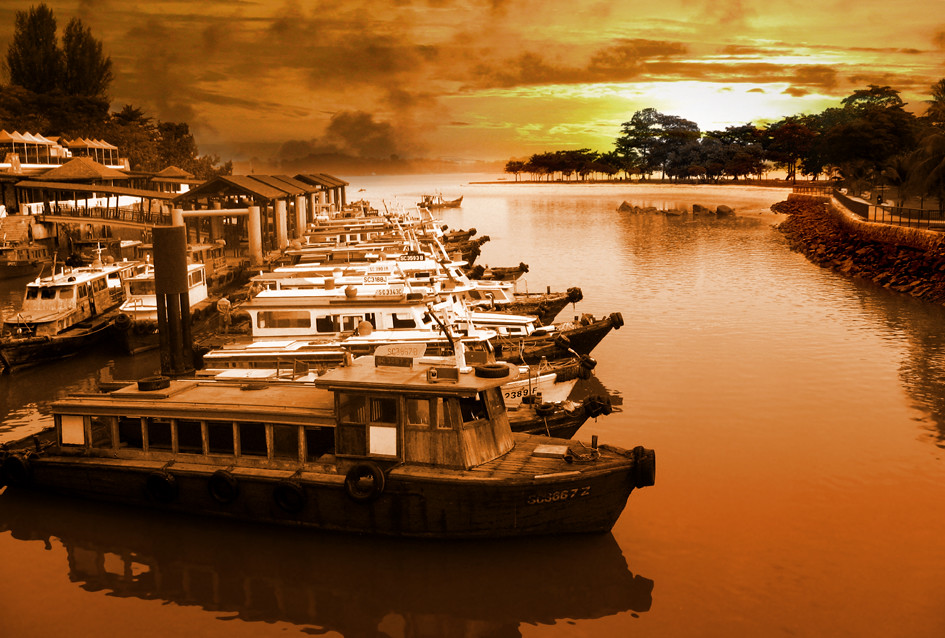
Changi Point Ferry Terminal at daybreak offers a serene view of boats ready to transport visitors to the rustic island of Pulau Ubin. The warm hues of sunrise cast a peaceful glow over this gateway to nature and adventure. Photo by William Cho. Licensed under CC BY-SA.
A short ferry ride from Changi Point Ferry Terminal transports you back in time on Pulau Ubin—a tranquil island where traces of traditional kampong life can still be found alongside rich biodiversity reserves such as Chek Jawa Wetlands.
Why Visit: Pulau Ubin is a rare pocket of serenity—rustic, unhurried, and wonderfully alive. As you wander or cycle along its shaded trails (bicycles are easy to rent), wild boars amble through the undergrowth, and mangrove swamps reveal ancient secrets, from darting mudskippers to the occasional horseshoe crab glinting beneath the tide.
Insider Tip: Plan your visit during weekdays if possible; weekends tend toward busier crowds which could disrupt serene photographic opportunities.
Photography Tip: Wide-angle lenses can help capture the lush landscapes and expansive skies of Pulau Ubin. Remember to pack a polarizing filter to reduce glare from water surfaces, enhancing the vibrancy of your images.
4. MacRitchie Reservoir Park
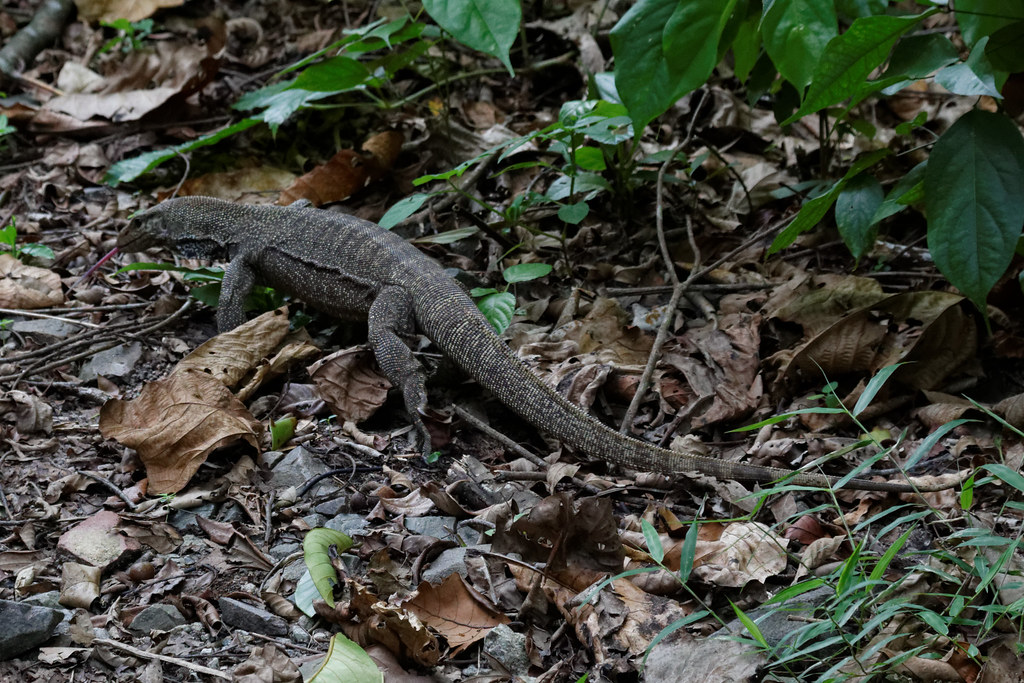
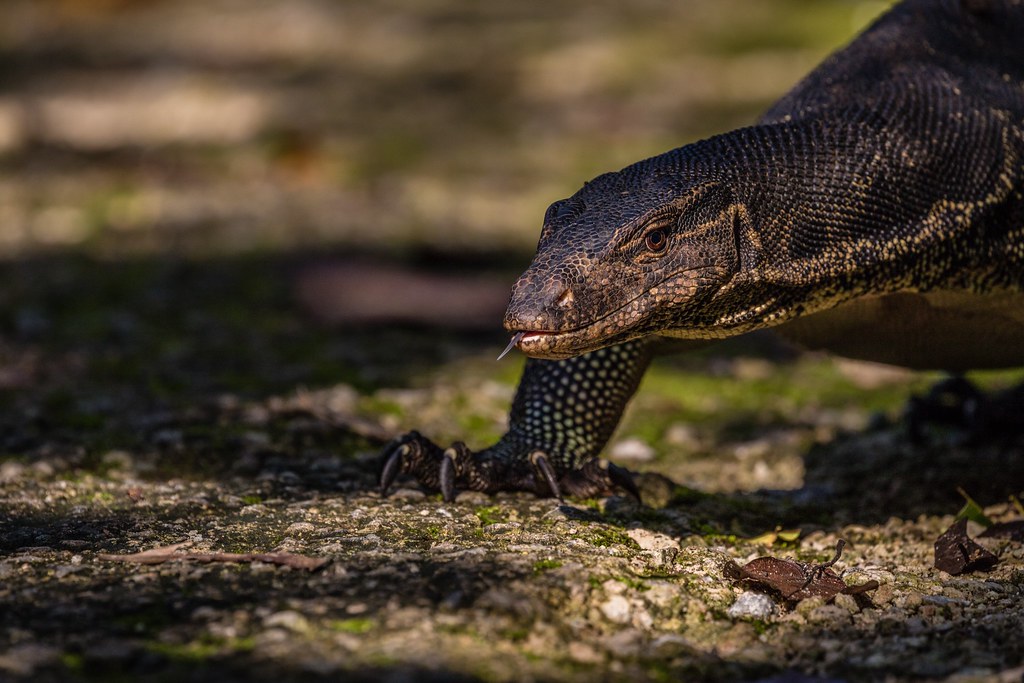
A Monitor Lizard moves stealthily through the leaf litter at MacRitchie Reservoir Park in Singapore, blending seamlessly into its natural habitat. Photo by Kimon Berlin. Licensed under CC BY-SA.
MacRitchie Reservoir Park is part of Singapore’s central catchment area, offering a scenic blend of tropical rainforest and freshwater environments. The park features an array of wildlife including monitor lizards, colugos, and even the occasional troop of long-tailed macaques.
Why Visit: Its treetop walk—a suspension bridge spanning across the forest canopy—provides unique aerial perspectives that are perfect for capturing panoramic shots or spotting arboreal creatures in their natural habitat.
Insider Tip: Late afternoon visits can reward you with golden hour lighting that beautifully highlights both wildlife and landscape details.
Photography Tip: Use a zoom lens in combination with fast shutter speeds to freeze motion when photographing active animals like macaques or birds in flight.
5. Southern Ridges
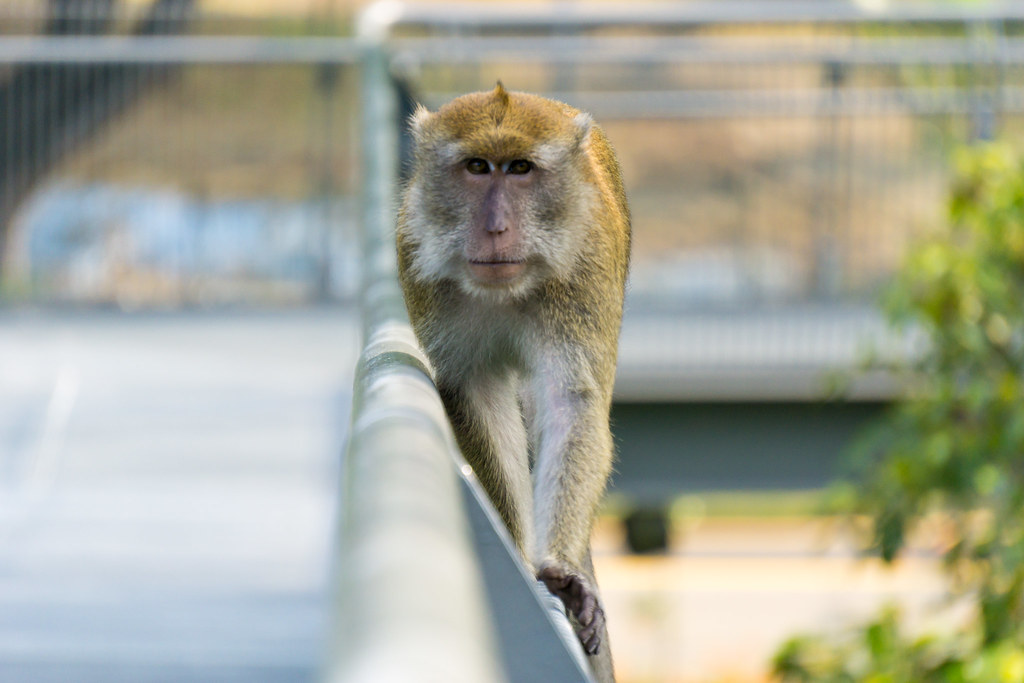
A macaque confidently traverses a railing at Southern Ridges in Singapore, showcasing its agility and curious nature. Link to original. Licensed under CC BY.
The Southern Ridges offer a seamless network of trails connecting Mount Faber Park, Telok Blangah Hill Park, HortPark, Kent Ridge Park, and Labrador Nature Reserve—all rich with biodiversity despite being within close proximity to urban areas.
Why Visit: The variety in terrain—from dense jungles at Telok Blangah Hill Park to coastal habitats at Labrador Nature Reserve—offers diverse photographic subjects ranging from colorful butterflies fluttering among flowering plants to sea eagles occasionally spotted near the coastline.
Insider Tip: Dawn is particularly magical here; morning mist shrouds parts of these ridges creating atmospheric shots filled with mystery and depth.
Photography Tip: For landscapes showing sweeping views across multiple parks connected by iconic bridges like Henderson Waves Bridge—a wide-angle lens paired with HDR (High Dynamic Range) techniques can effectively capture high-contrast scenes between sky-lit vistas against shadowed foliage below.
6. Singapore Botanic Gardens
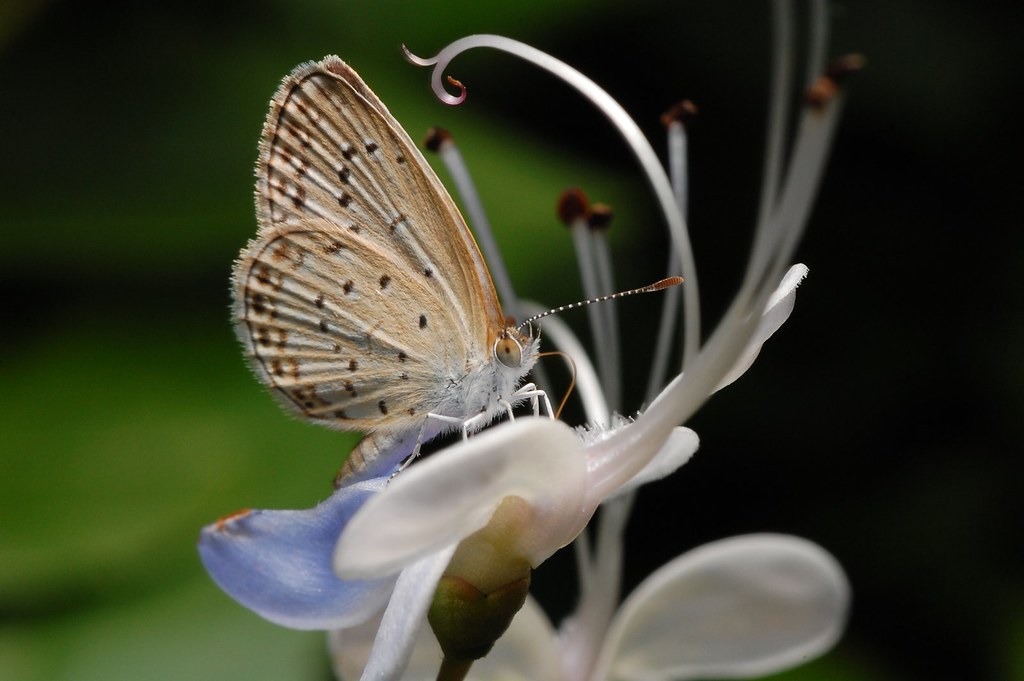
A delicate butterfly perches gracefully on a vibrant flower at the Botanic Gardens in Singapore, showcasing the intricate beauty of nature. Photo by Nicolas Lannuzel. Licensed under CC BY-SA.
As one might expect from this UNESCO World Heritage Site dedicated entirely towards horticultural excellence—it also serves as an exceptional backdrop for macro photography enthusiasts seeking intimate encounters amidst botanical wonders!
Why Visit: Beyond meticulously manicured lawns lie sections such as National Orchid Garden where countless orchid species bloom alongside rare fauna sightings including monitor lizards basking lazily under sun-dappled leaves.
Insider Tip: Overcast days diffuse harsh sunlight evenly across plant surfaces—ideal for capturing vibrant plant colors and intricate textures without harsh shadows.
Photography Tip: A macro lens is indispensable here, allowing you to capture the delicate details of orchids and other exotic flora. Consider using a shallow depth of field (f/2.8 or f/4) to isolate your subject from the background.
7. Coney Island Park
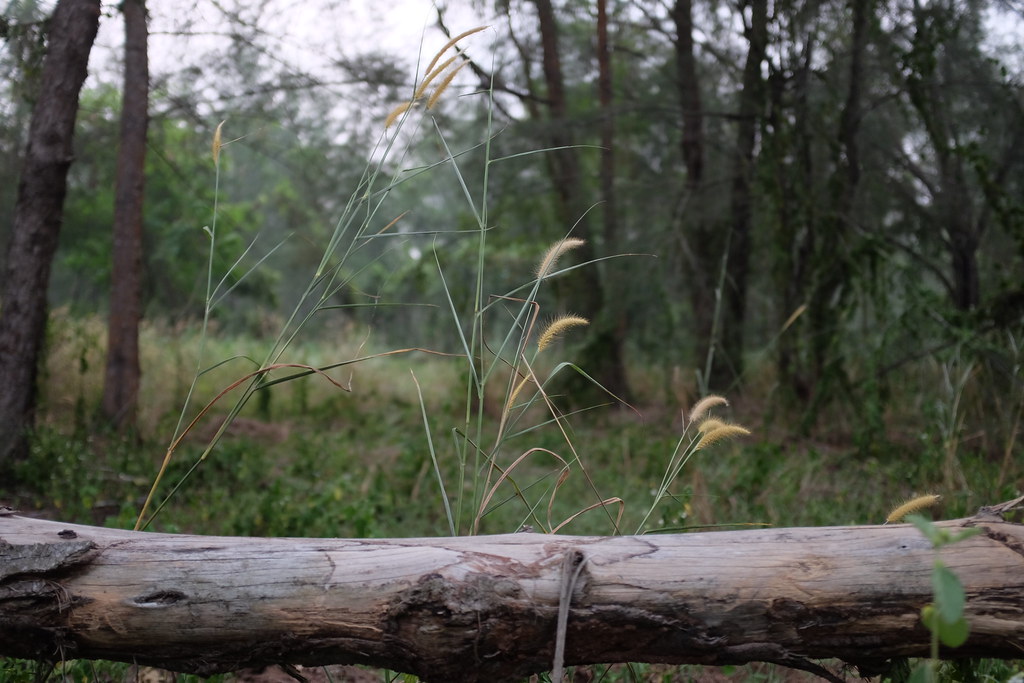
A serene scene from Coney Island Park in Singapore, where the quiet forest floor hints at wildlife lurking, waiting to be discovered. Link to original. Licensed under CC BY.
Located off the northeastern coast of Singapore, Coney Island Park is a relatively untouched gem that offers photographers an opportunity to explore rustic trails lined with casuarina trees and coastal habitats.
Why Visit: This park is home to diverse wildlife such as otters, various bird species, and regionally rare flora such as the Cycas rumphii—a species of cycad found within its sandy shores.
Insider Tip: Early mornings not only provide soft lighting but also increase your chances of spotting elusive wildlife like otters which are most active during this time.
Photography Tip: For photographing fast-moving subjects like birds or otters in action, use continuous focus mode (AI Servo for Canon users or AF-C for Nikon users) combined with burst shooting mode to ensure sharp images amidst rapid movements.
8. Pasir Ris Park
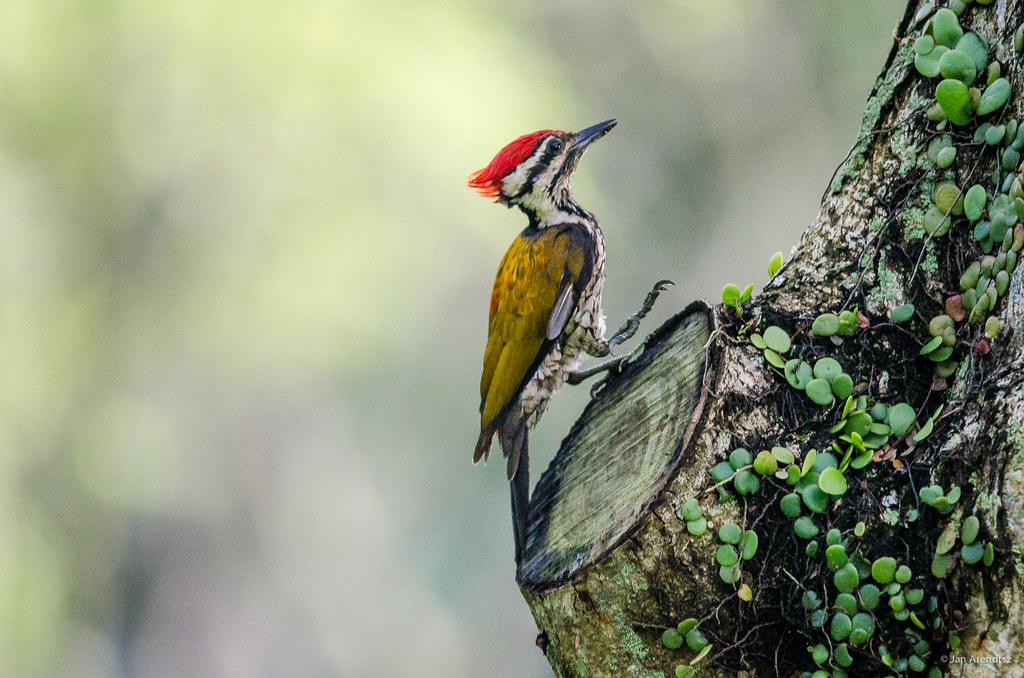
A vibrant Common Flameback clings to a tree in Pasir Ris Park, Singapore, showcasing its striking red crest against the lush greenery. Photo by Jan Arendtsz. Licensed under CC BY-ND.
A coastal park located in eastern Singapore known for its mangrove boardwalks offering close encounters with native ecosystems thriving along brackish waters teeming with life both above and below!
Why Visit: Nature lovers, especially birdwatchers, will find endless fascination here—kingfishers diving into still waters, mudskippers darting across the glistening wetlands, and mangrove roots alive with subtle movement. Every turn of the boardwalk offers fresh perspectives and unexpected moments, far removed from the city’s usual tourist trails.
Insider Tip: Sunset casts warm hues over these wetlands—perfect conditions if aiming towards capturing silhouettes against fiery skies reflecting off tranquil waters below.
Photography Tip: To capture the vibrant colors of a sunset reflecting off the water, set your camera to manual mode and adjust your white balance to “shade” or “cloudy” (or do the same thing with a RAW file in post). This will enhance warm tones, giving your images a rich, golden glow. A graduated neutral density filter can also help balance the exposure between the bright sky and darker foreground.
9. Mandai Wildlife Reserve
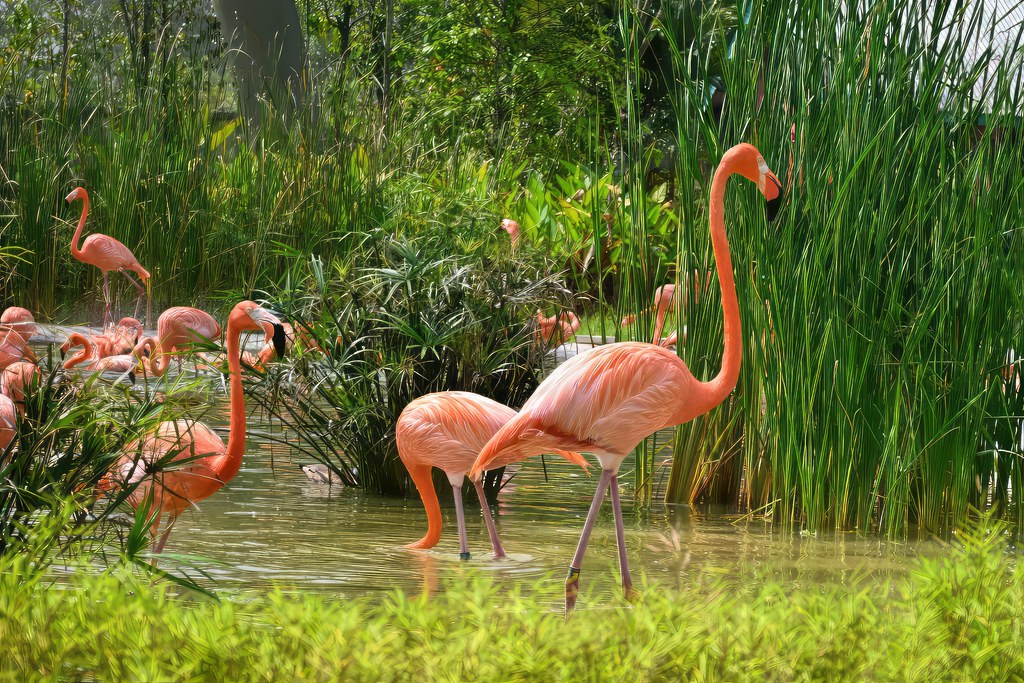
Flamingos wade gracefully through the lush wetlands of Mandai Wildlife Reserve in Singapore, surrounded by vibrant greenery. Photo by Choo Yut Shing. Licensed under CC BY.
Home to Singapore Zoo, Night Safari, River Wonders, and Bird Paradise, Mandai Wildlife Reserve is not only a tourist attraction but a paradise for wildlife photographers seeking controlled environments that mimic natural habitats.
Why Visit: Yes, it’s technically a collection of zoos, but they’re good zoos, and each park offers distinct ecosystems with species from around the world. Whether it’s capturing nocturnal animals at Night Safari or exotic birds in flight at Bird Paradise—there’s something for every photographer’s interest.
Insider Tip: Visit during feeding times when animals are most active; this provides better chances for dynamic shots showcasing their behaviors rather than static poses.
Photography Tip: When photographing in the controlled environments of Mandai Wildlife Reserve, take advantage of the naturalistic settings to create compositions that appear as if taken in the wild. Use a wide aperture (like f/2.8 or f/4) to blur backgrounds and focus attention on your subject, creating a sense of depth and isolation from distracting elements.
10. Kranji Marshes
This freshwater marshland is one of Singapore’s largest, located in the northwestern part of the island. Kranji Marshes provides a unique habitat for an array of wildlife, particularly birds.
Why Visit: Home to roughly 170 bird species, the marshes are a haven for photographers—where purple herons stalk the reeds, white-bellied sea eagles patrol the skies, and every visit offers a blend of familiar and rare encounters.
Insider Tip: Early morning visits offer cooler temperatures and more active bird life. The soft morning light also enhances colors without harsh shadows.
Photography Tip: Bring a telephoto lens (400mm or longer) to capture close-up images of birds without disturbing them. Patience is key in wildlife photography; remain still and allow the birds to come to you, which often results in more natural behavior shots.
Conclusion
Singapore may be famed for its urban landscape, but it also offers a wealth of opportunities for wildlife photography enthusiasts. From wetland reserves teeming with migratory birds to lush rainforests housing unique flora and fauna, each location provides distinct photographic challenges and rewards.
With this Singapore photography guide in hand, you’re ready to embark on an unforgettable journey into the less-appreciated wild heart of this dynamic city-state.

A Monitor Lizard prowls the forest floor at Sungei Buloh Wetland Reserve in Singapore, its textured scales catching the sunlight. Link to original. Licensed under CC BY.