Trebinje, Bosnia and Herzegovina: A Hidden Gem of Timeless Reflections
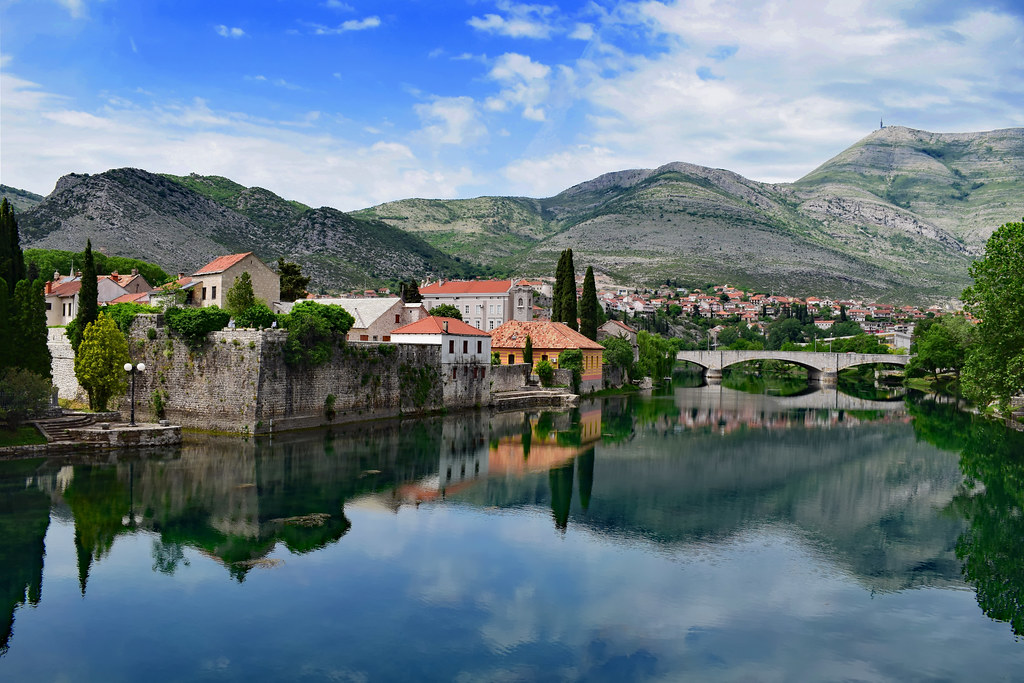
This is the kind of photograph that doesn’t just whisper but insists, “come visit.” Its serene reflections and timeless charm invite travelers to look closer, to step beyond the obvious frame and discover the story waiting within.
A Picture-Perfect Invitation
At first glance, this image radiates tranquility and wonder. Trebinje—nestled in the southern reaches of Bosnia and Herzegovina—unfolds like a hidden garden, waiting to be discovered. The river’s mirrored surface doesn’t just reflect stone and sky; it seems to capture whispers of centuries gone by. This is the essence of travel photography: opening a window into a world both timeless and new.
Mastering Light and Reflection
The magic here lies in how light dances across the water, turning stone, bridge, and foliage into an ethereal mirror. Notice how symmetry transforms a simple riverscape into art. Across Europe—from the Adriatic to the Baltics—similar reflections elevate a scene from documentary to extraordinary.
To capture the effect yourself:
- Time Your Shot: Aim for early morning or late afternoon when the light softens but still glows.
- Stay Steady: A tripod can make the difference between blurred and breathtaking reflections.
- Compose With Intention: Use foreground detail to draw the eye deeper into your frame.
The Allure of Trebinje
Trebinje is more than a postcard view—it’s a living tapestry where natural beauty and human history intertwine. The town lies cradled in a fertile valley, with the Trebišnjica River winding gracefully through its heart. Plane trees stretch their branches wide over lively squares, offering shade to generations of locals who gather here for conversation, trade, and daily rituals. It is a place where life feels unhurried, yet quietly purposeful.
Architecture tells much of Trebinje’s story. Roman foundations still underpin parts of the town, while Ottoman-era mosques, stone bridges, and caravanserais whisper of centuries when merchants and travelers shaped its rhythms. Later, Austro-Hungarian influence added a Central European elegance, visible in facades, boulevards, and civic buildings. Each era left behind not only stone and mortar, but a piece of the town’s cultural soul. Today, the result is a mosaic that feels remarkably cohesive—every layer contributing to Trebinje’s distinctive character.
Culture thrives alongside history. The town’s bustling open-air market brims with figs, olives, honey, and wine, continuing traditions that stretch back for centuries. Cafés hum with quiet energy, their terraces looking out on both river and mountain. In the evenings, the golden light lingers on terracotta roofs and limestone walls, turning Trebinje into a photographer’s dreamscape. It is this blend of everyday life and enduring heritage that makes the town so alluring: a place where past and present don’t merely coexist but enrich one another.
Historical Insights
History in Trebinje is not confined to a museum—it lingers in the very stones, arches, and waterways that shape the town’s identity. The heart of this story begins with the Illyrians and Romans, who first recognized the valley’s strategic position along the Trebišnjica River, one of the longest sinking rivers in the world. Remnants of Roman roads still echo the footsteps of traders and legions who passed through on their way to the Adriatic coast.
The city’s most recognizable landmark, the Arslanagić Bridge, was built in the 16th century under Ottoman rule. Its elegant arches have borne witness to centuries of commerce, conflict, and cultural exchange, making it not only a masterpiece of Ottoman engineering but also a symbol of Trebinje’s resilience. When the original site was flooded in the 1960s during hydroelectric development, the bridge was carefully dismantled and reconstructed stone by stone at its current location—an act of preservation that speaks to the town’s reverence for its past.
Walk through the Old Town (Kastel), and you step into a layered palimpsest of history. Narrow streets paved with smooth cobblestones recall Ottoman marketplaces, while Austro-Hungarian buildings—erected in the late 19th century—add a Central European flavor. The churches and monasteries scattered across the hills, like Hercegovacka Gracanica with its commanding view of the valley, remind visitors of the spiritual dimension that has guided the community through turbulent times.
Even in modern Trebinje, these histories are not dormant. Markets still hum in shaded courtyards, carrying on centuries-old traditions of trade. Families stroll the same boulevards once lined with Ottoman caravans and Austro-Hungarian promenaders. Through the camera’s lens, these elements of continuity and change converge—capturing not a static past, but a living dialogue between eras.
Tips for Capturing Trebinje
- Seek Out Angles: Move beyond the obvious vantage points; an alleyway or riverside bend can surprise you with its perspective.
- Celebrate Imperfection: A weathered wall, an uneven street, or a fleeting cloud adds authenticity that perfection often misses.
- Engage the People: Conversations with locals can inspire portraits or moments that deepen your story far beyond landscapes alone.
In Trebinje—as in travel itself—each click is more than a snapshot. It is a fleeting moment, captured and carried, to be remembered and revisited long after the journey ends.

The serene waters of Trebinje reflect its ancient stone walls and verdant hills, whispering tales of time’s gentle passage beneath a sky brushed with soft clouds.
Photo by Jocelyn Erskine-Kellie. Licensed under CC BY-SA.