Reflections of Serenity: Capturing Wat Paknam’s Essence
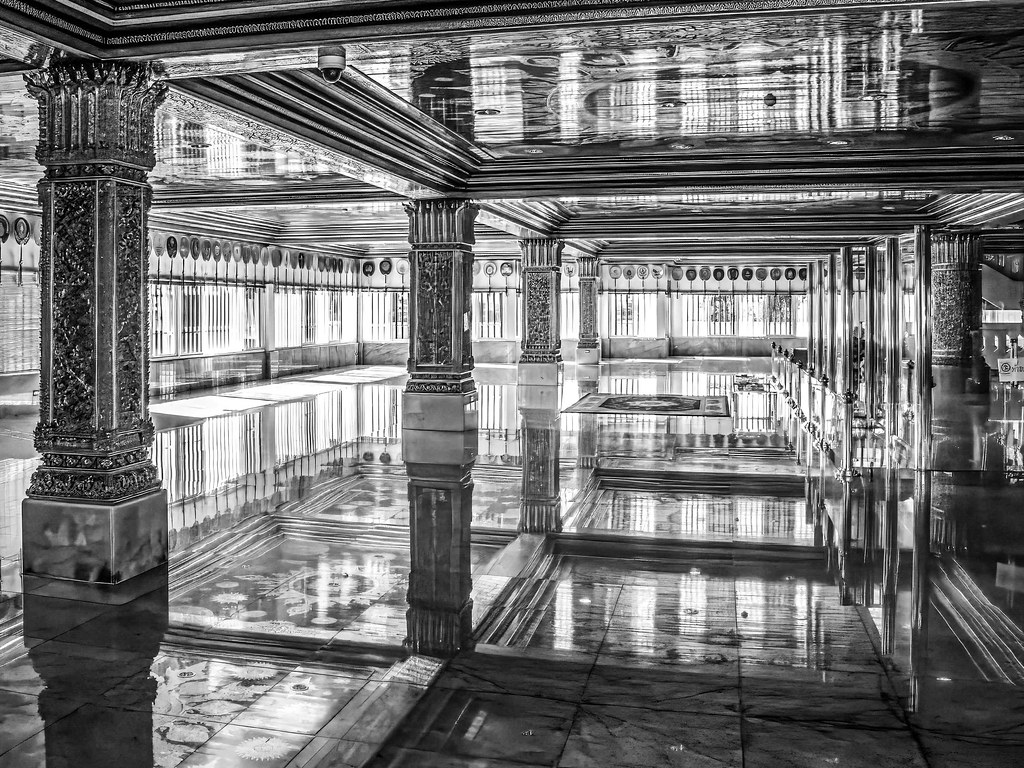
In a world flooded with fleeting snapshots, every shutter click risks fading into digital obscurity. But now and then, a photograph rises above mere record-keeping—inviting pause, reflection, and admiration. This striking black-and-white image of a temple interior is one such rare capture: timeless, intentional, and resonant.
Table of Contents
- A Dance of Light and Reflection
- Mastering Composition
- Harnessing Natural Light
- Creating Depth
- The Essence of Monochrome
- Final Thoughts
A Dance of Light and Reflection
What first arrests the eye is the interplay of light and reflection. The temple’s gleaming floor becomes a mirror, creating ethereal symmetry that draws us inward. Rendered in black and white, the image strips away distraction and heightens contrast—an homage to the tonal mastery of Ansel Adams.
For aspiring travel photographers, this scene from Bangkok’s Wat Paknam Temple offers a vivid lesson in using light and space. Its reflective surfaces and filtered natural light create the perfect environment for artistic experimentation.
Mastering Composition
The photograph’s composition is no accident. Vertical columns frame the shot with purpose, while leading lines pull the gaze deep into the temple’s interior. It’s a perfect balance of structure and spontaneity—a skill worth cultivating when photographing intricate architecture.
When considering how to photograph Wat Paknam Temple, look for these compositional cues. Use the built environment to guide the viewer’s eye—aligning geometry and focal points with careful intent.
Harnessing Natural Light
This image is a masterclass in capturing ambient light within large interiors. Rather than blasting the frame with artificial brightness, it lets the gentle, directional rays of morning or late-afternoon sun work their quiet magic—casting shadows, revealing texture, and preserving atmosphere.
As a travel photographer, timing is everything. Visit early or late to find the soft light that flatters architectural forms, avoids glare, and lends your photos a painterly calm.
Creating Depth
The photograph’s depth is more than spatial—it’s emotional. Its monochrome palette accentuates textures and tonal shifts that color might obscure, inviting a contemplative gaze. It draws you in, not just to the physical space, but to a mood.
To achieve this kind of tonal nuance, use spot metering to manage exposure in high-contrast scenes. This technique applies as much to moody temple interiors as to sunlit urban alleyways—anywhere your lens seeks layered meaning.
The Essence of Monochrome
Why black and white? In images like this, black and white evokes emotion that color might flatten. By removing the hues, monochrome amplifies shadow and shape, rhythm and silence. In this case, it magnifies the solemn beauty of the temple’s interior, inviting reverence rather than distraction.
When you photograph sacred or historical spaces, try asking: What emotion lives beneath the surface? Monochrome is sometimes your most honest answer—unadorned and powerful.
Final Thoughts
This image isn’t just technically skilled—it’s visionary. Its careful framing, moody lighting, and bold use of monochrome all contribute to a photograph that teaches as it inspires. For any traveler with a camera, it’s a reminder that great shots don’t just happen—they’re seen, felt, and crafted.
So whether you’re photographing temples or city streets, let this image remind you: every frame holds a story. Make yours worth telling.

The Wat Paknam Temple in Bangkok dazzles with intricate reflections, as light dances across polished marble and ornate columns, creating a mesmerizing play of symmetry and elegance. Photo by Forbes Johnston. Licensed under CC BY.