Colossal Industry: Mastering Scale in Photography
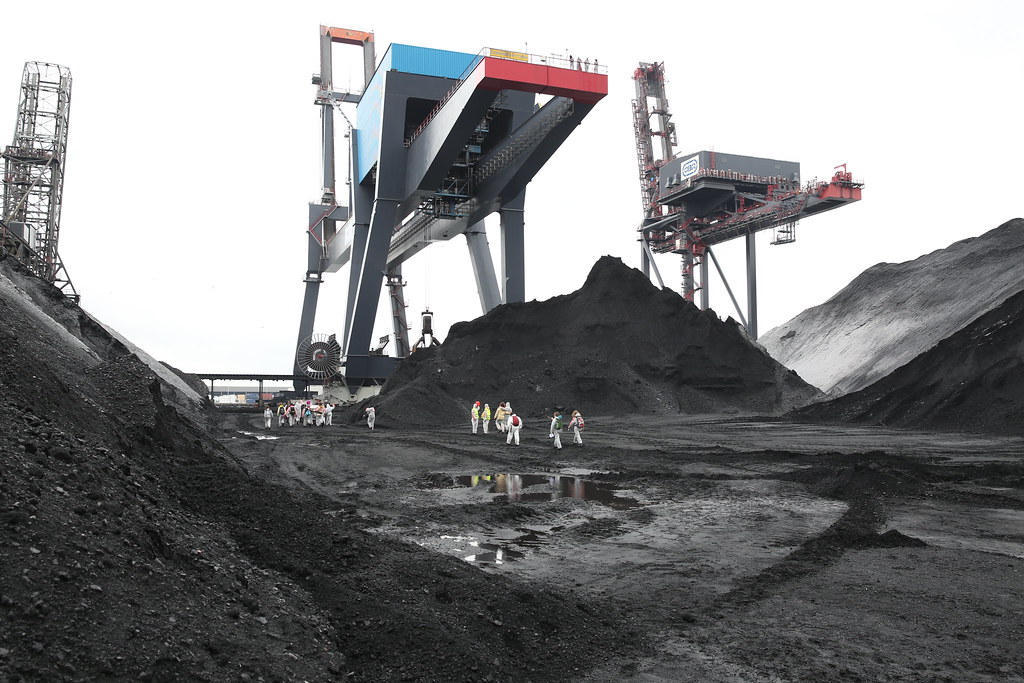
These blue and red Goliaths loom menacingly against a mostly colorless backdrop, inviting us to explore deeper.
Table of Contents
- The Power of Scale and Contrast
- Lessons for Aspiring Photographers
- How to Apply These Techniques in Amsterdam
- Final Thoughts
The Power of Scale and Contrast
This expert photo stands out due to its masterful depiction of scale. The enormous machinery dominates the landscape, but it’s the presence of lilliputian workers that truly accentuates its vastness. By including these tiny figures, the photographer powerfully conveys just how monumental these structures are. This interplay between human and machine is not just visually striking; it tells a story about industry and labor.
How Color Unifies Composition
Color plays an essential role in this composition. Notice how the vibrant hues of the machinery echo those found in the workers’ clothing. This clever use of color creates harmony within the image despite its stark setting. The bright red and blue tones contrast beautifully with the dark coal piles, drawing your eye across different elements, uniting what could otherwise be a photo without a focus.
Capturing Texture in Travel Photography
The textures captured here add another layer of depth to this industrial scene—a valuable lesson for anyone interested in travel photography or experimenting with new ways to photograph sometimes-cliche locations like Amsterdam. From rough coal mounds to reflective puddles on uneven ground, every detail contributes to an immersive experience.
When photographing textures like these:
- Use natural light: Overcast skies can act as a natural diffuser.
- Experiment with angles: Capture from various perspectives for dynamic results.
- Focus on details: Highlighting specific textures can make even familiar scenes feel new.
Lessons for Aspiring Photographers
What can ordinary readers take away from this stunning image? Here are some insights:
-
Play with Scale: Incorporate subjects that provide context or contrast within your frame—this enhances storytelling.
-
Utilize Color Wisely: Use colors strategically; they guide viewers’ eyes through your photo while adding visual interest.
-
Emphasize Textures & Details: Don’t shy away from getting up close if something catches your eye—it’s often where magic happens!
How to Apply These Techniques in Amsterdam
When considering how to photograph in Amsterdam, think about incorporating these principles:
- Canal Reflections: Use water reflections for texture and depth.
- Historic Architecture: Contrast old structures with modern life around them.
- Vibrant Markets: Capture dynamic color palettes found in local markets.
By integrating lessons from this industrial masterpiece into your travel photography—whether in bustling cities like Amsterdam or elsewhere—you’ll hone both your technical skills and your artistic vision.
Final Thoughts
This photo is not just an image but a lesson in observation, composition, and creativity. As you continue your photographic journey, remember: every scene holds potential if you look closely enough. Experiment with scale, color harmony, texture emphasis—and let each shot tell its unique story.

At the OBA Coal Terminal in Amsterdam, towering machinery looms over the landscape like a giant’s playground, while Lilliputian workers navigate the vast expanse of coal. Photo by CODE ROOD. Licensed under CC BY-SA.