Capturing Motion: Transforming Dotonbori, Osaka with Long Exposure
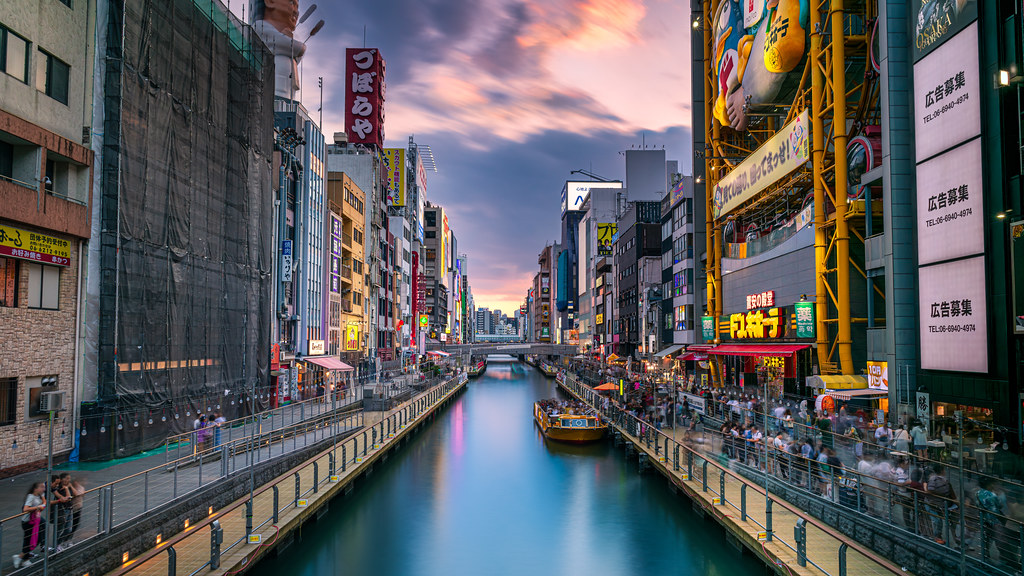
This stunning long-exposure of Dotonbori, Osaka almost looks like a drawing, with its dreamlike quality painted in vibrant colors.
Table of Contents
- Mastering the Art of Long Exposure
- Harnessing HDR for Rich Detail
- Capturing Urban Energy
- The Power of Post-Processing
- Conclusion: Crafting Your Own Vision
Mastering the Art of Long Exposure
The image captivates with its fluidity—transforming an everyday scene into something ethereal. The long exposure technique blurs the water in the canal, giving it an almost surreal texture that contrasts beautifully with the static elements of the buildings lining either side. By extending the shutter speed, movement becomes silk-like and serene. This technique is particularly useful in travel photography when you wish to capture bustling locations while maintaining a sense of calm and even detachment.
Takeaway: Embrace Long Exposure
To achieve this effect in your own photography:
- Use a tripod to eliminate camera shake. (Or you just might be able to get away with image stabilization and a really steady hand.)
- Experiment with different shutter speeds; start around 1/15 sec and lengthen as needed.
- Consider using neutral density (ND) filters to manage light exposure during daytime shoots.
Harnessing HDR for Rich Detail
The use of High Dynamic Range (HDR) imaging here adds depth and vibrancy that make every detail pop. HDR combines multiple exposures to create one image that reflects all visible details across various light intensities—ideal for scenes combining bright lights and shaded areas.
Takeaway: Dive into HDR Photography
For those seeking detailed richness:
- Capture multiple exposures (e.g., -2, 0, +2 EV).
- Combine them using software like Adobe Lightroom or Photomatix Pro.
- Keep aesthetics in mind; avoid over-processing, which can lead to unrealistic results.
Capturing Urban Energy
This photograph is a perfect example of how urban environments can be portrayed dynamically yet harmoniously through smart composition and technical skill. The bustling cityscape is alive with color—from neon lights sparking against twilight skies to reflections dancing on water surfaces—each element carefully considered within the frame.
Takeaway: Compose Thoughtfully
When shooting urban landscapes:
- Look for leading lines that draw viewers’ eyes through your photo.
- Include elements reflecting life or activity but maintain focal points free from distraction.
The Power of Post-Processing
Post-processing helps this image stand out so brilliantly among others. The adjustments walk a careful balance between slavishness to the original scene and exaggeration.
Takeaway: Edit Creatively Yet Realistically
When diving into post-processing:
- Use software like Adobe Photoshop to fine-tune colors and contrasts.
- Adjust shadows and highlights to enhance visual interest while maintaining a natural look.
- Be mindful of preserving the integrity of the scene; subtlety often yields more compelling results.
Conclusion: Crafting Your Own Vision
This photograph illustrates how technical expertise can be combined with creative vision to elevate travel photography. Its mesmerizing portrayal captures both movement and stillness, immersing viewers in an urban oasis where vibrant energy meets tranquil beauty. By mastering techniques such as long exposure and HDR, photographers can transform ordinary scenes into extraordinary works of art.
Whether you’re capturing bustling city streets or serene landscapes, remember that each element—from composition to post-processing—plays a vital role in telling your story. Embrace these tools, experiment boldly, and let your unique perspective shine through every frame you capture.

The vibrant Dotonbori district in Osaka comes alive with colorful neon lights and bustling crowds along the canal, capturing the city’s dynamic energy. Photo by Romain Guy. Licensed under CC0.