Photographing the 12 Busiest and Most Fascinating Metro Systems in the World
More than mere infrastructure, metro systems are underground lifelines of a city’s vibe, culture, and chaos. From Seoul’s digital elegance to Moscow’s underground opera halls, from Delhi’s pink-car calm to Mexico City’s mural-covered corridors, each subway network is a portal into how a city moves, breathes, and dreams. Here are 12 of the world’s busiest–and coolest–metro systems, each worth exploring not just for where they take you, but for what they reveal along the way.
Table of Contents
- 1. Shanghai Metro – China
- 2. Beijing Subway – China
- 3. Seoul Metropolitan Subway – South Korea
- 4. Guangzhou Metro – China
- 5. Moscow Metro – Russia
- 6. Tokyo Metro + Toei Subway – Japan
- 7. Delhi Metro – India
- 8. Shenzhen Metro – China
- 9. Mexico City Metro – Mexico
- 10. New York City Subway – USA
- 11. São Paulo Metro – Brazil
- 12. Hong Kong MTR – Hong Kong SAR
- 13. Bonus: Chiba Monorail – Japan
- Final Stop
1. Shanghai Metro – China
Daily riders: 10 million+
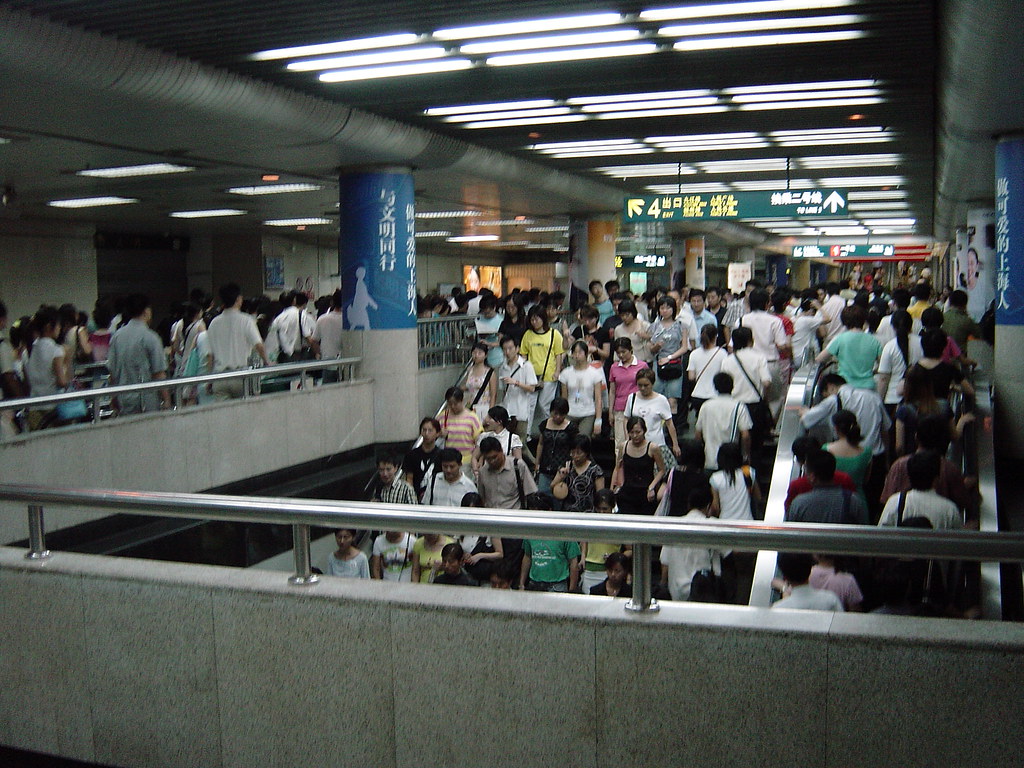
A bustling scene unfolds in the corridors of the Shanghai Metro, where a sea of commuters navigates the underground labyrinth with synchronized precision. Link to original. Licensed under CC BY-ND.
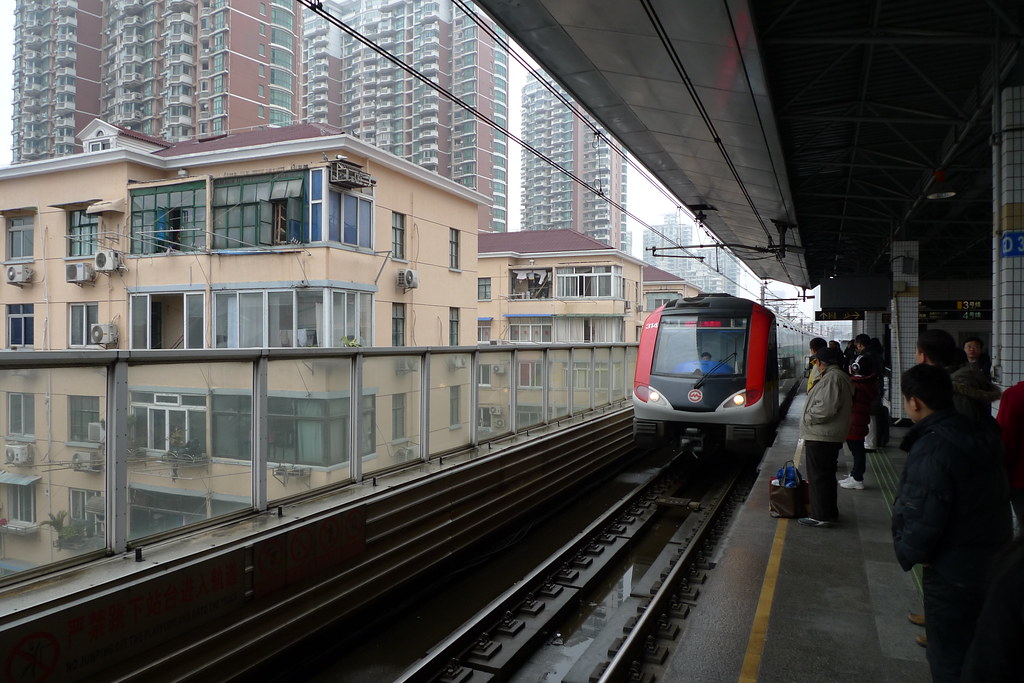
Zhongshan Park Metro Station in Shanghai captures the juxtaposition of low-rise buildings and towering high-rises, illustrating China’s rapid urban expansion. The scene is a testament to the country’s dynamic architectural evolution. Link to original. Licensed under .
Spanning more than 800 kilometers, this is the world’s longest metro system—and it looks the part. With futuristic touchscreen ticket machines and digital maps that update in real time, Shanghai Metro feels like stepping into 2035. Many stations connect directly to malls, cafes, and even art installations. Pro tip: Jing’an Temple Station is not just a stop—it’s an experience, with views of the glittering golden temple peeking out right as you ascend the escalator. Metro ads are often animated and surprisingly aesthetic, adding to the sensory overload—in a good way.
2. Beijing Subway – China
Daily riders: 9.5–10 million
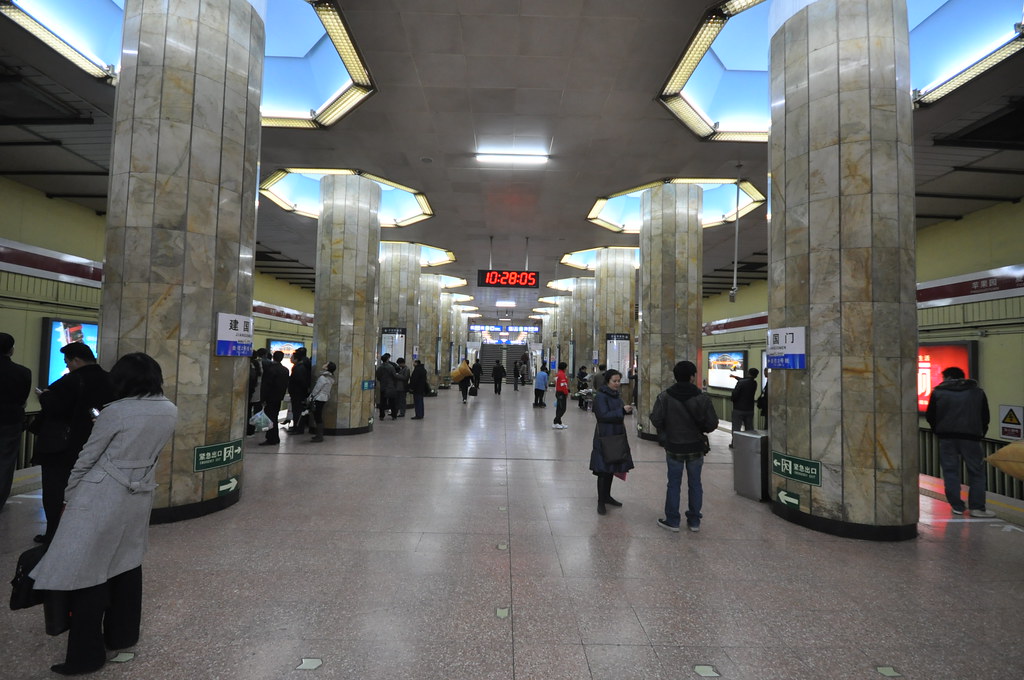
Commuters stand amid the symmetrical grandeur of Beijing Subway’s marble-clad station, under soft blue illumination and a digital clock marking time. Photo by Jorge Láscar. Licensed under CC BY.
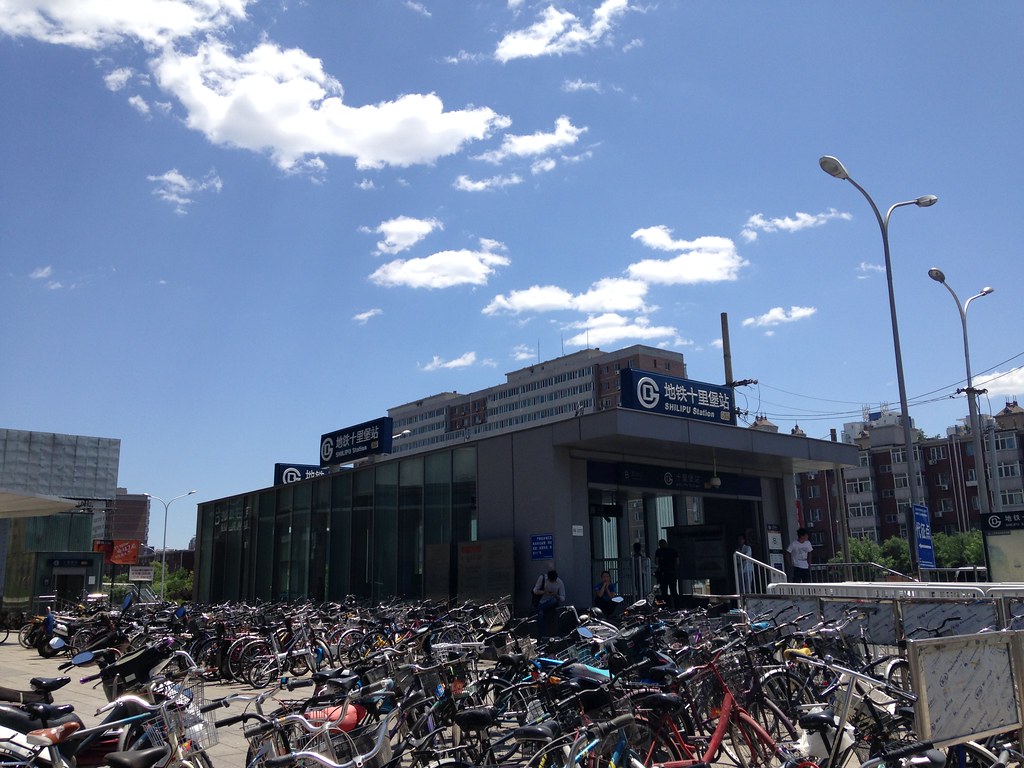
Beneath the vast blue sky, Shilipu Subway Station in Beijing stands as a modern gateway surrounded by a sea of traditional bicycles—a perfect metaphor for China’s harmonious blend of progress and heritage. Link to original. Licensed under CC BY.
Efficient and deeply tied to Beijing’s massive sprawl, this subway system is a wild ride through old meets new. Expect a quiet train, as people keep to themselves (and their phones). Line 1 takes commuters from Tiananmen Square to techy zones, while Line 4 runs past the Summer Palace—yes, that’s the one with dreamy bridges and willow-lined lakes. The subway security checks are intense, but the sheer volume of people moving with military-level precision is a sight to behold. During Lunar New Year? Total mayhem, and yet… somehow still works.
3. Seoul Metropolitan Subway – South Korea
Daily riders: 8 million
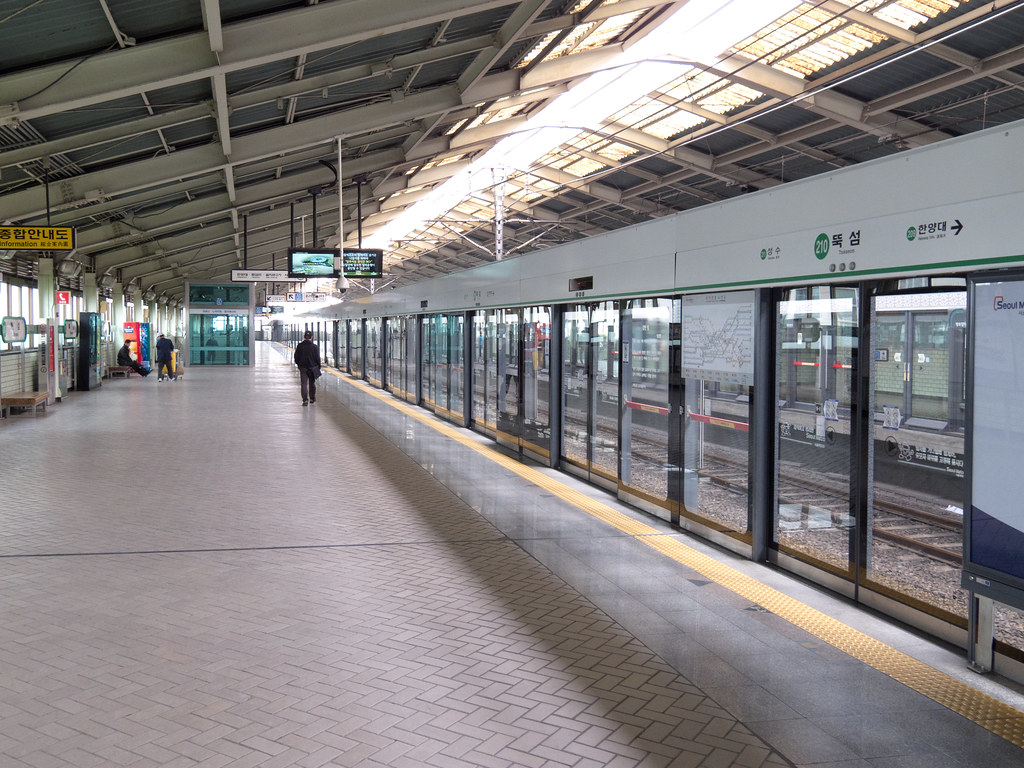
In the quiet embrace of Ttukseom Subway Station, light cascades through the roof, casting a gentle glow on the solitary traveler moving with purpose along the platform. Photo by Tom Page. Licensed under CC BY-SA.
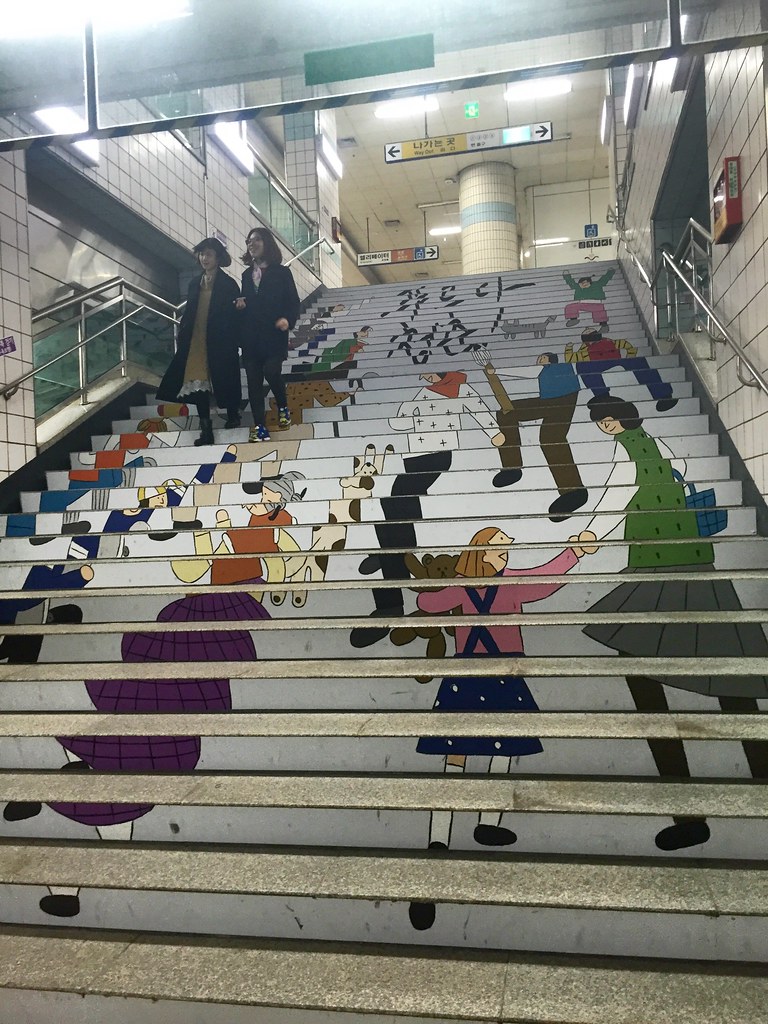
Colorful illustrations on the stairs at Hongik University Station in Seoul transform an ordinary subway entrance into a lively canvas, inviting commuters to pause and appreciate art in transit. Link to original. Licensed under CC BY-SA.
Probably the most user-friendly system on Earth. Free Wi-Fi everywhere, phone-charging stations, heated seats, and K-drama-level cleanliness. Everything’s bilingual, and the map design is actually cute. Each station has its own aesthetic—some even with AR art shows or live music. At Hongdae Station (Line 2), riders spill into a world of pop-up vintage shops, late-night cafes, and wildly creative street performances. This subway isn’t just efficient—it’s a lifestyle.
4. Guangzhou Metro – China
Daily riders: 7.5–8 million
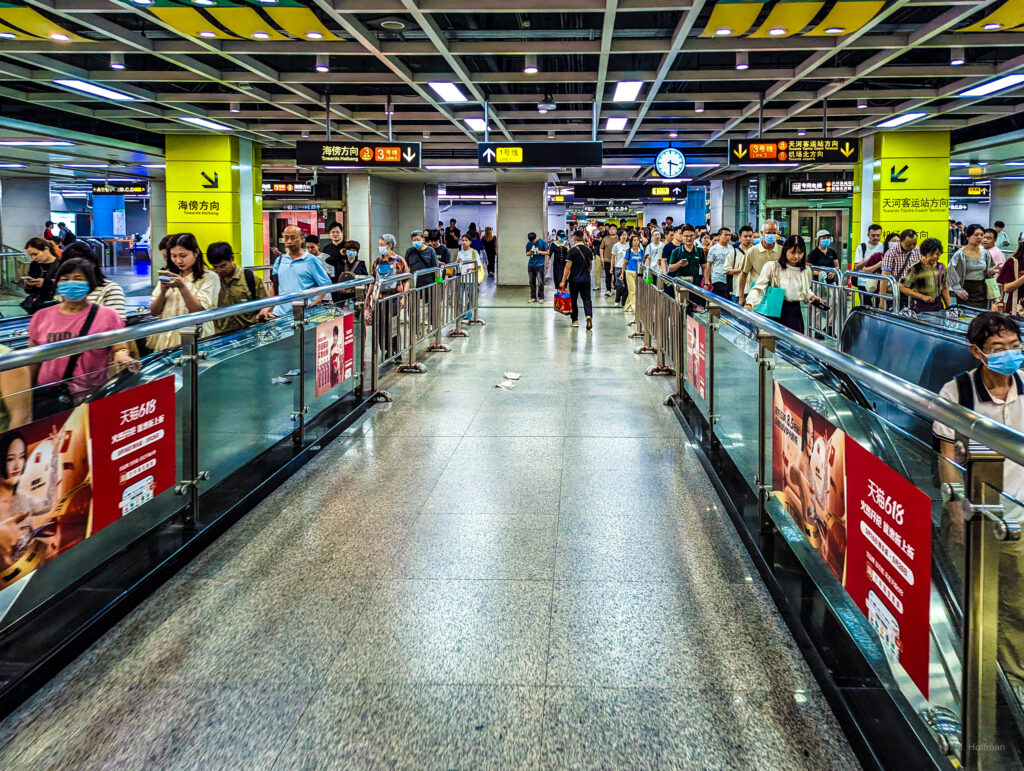
Commuters bustle through the vibrant and bustling Guangzhou Metro, where modern architecture meets the hum of daily life. Photo by Joel M. Hoffman. Copyright Joel M. Hoffman. Used with permission.
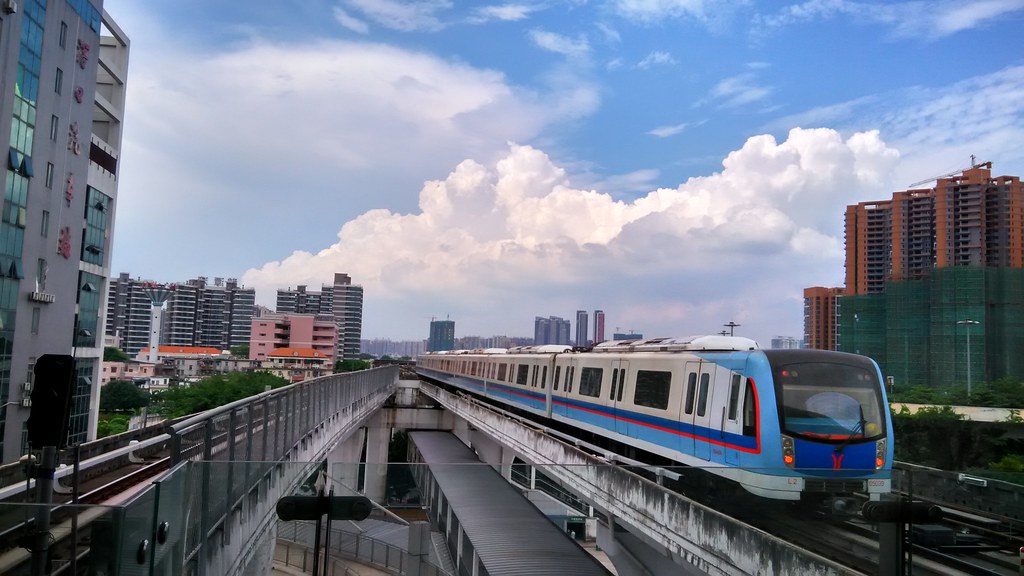
A sleek metro train glides along its elevated track, slicing through the urban tapestry of Guangzhou beneath a canvas of billowing clouds. Photo by Metro Webzine 地铁族网刊. Licensed under .
Fast, punctual, and rapidly expanding, Guangzhou’s metro system reflects the city’s neon-lit hustle. It’s an air-conditioned dream come summer, and QR code payment via WeChat makes paper tickets feel ancient. Stations like Canton Tower give Instagram vibes with modern design and dramatic lighting. Look for platform walls that light up as trains approach—very sci-fi. Also, every train has route maps that scroll, not just light up. Next level.
5. Moscow Metro – Russia
Daily riders: 6.5–7 million
Mayakovskaya Station in Moscow dazzles with its elegant arches and soft lighting, reflecting a blend of art deco and futurism as commuters move through the grand space. Photo by Sergey Rodovnichenko. Licensed under CC BY-SA.
Step into the grandeur of Komsomolskaya Metro Station in Moscow, where ornate chandeliers and stunning arches make every commute feel like a royal procession. Photo by Ekaterina Toropina. Licensed under CC BY-SA.
Easily the most beautiful metro system in the world. Think chandeliers, marble columns, mosaics, and stained glass—all underground. Built as a “palace for the people,” Moscow’s metro turns rush hour into an art tour. Ploshchad Revolyutsii station features bronze statues people touch for luck—rub the dog’s nose if you’re chasing good vibes. Despite the historic architecture, the trains are fast and modern, with Wi-Fi and LED indicators.
6. Tokyo Metro + Toei Subway – Japan
Daily riders: 6.5 million
A Tokyo Metro conductor ensures the orderly departure of a packed train, capturing the hustle and bustle of daily city life. Photo by BLOG EFL. Licensed under CC BY.
A black-and-white glimpse into Tokyo’s metro life captures the quiet bustle of commuters, frozen in a moment of transit. Photo by Yosh The Fishhead. Licensed under CC BY-ND.
The Japanese obsession with precision shines underground. Trains glide in and out within seconds of schedule, and the platforms are so spotless you could eat your bento on them. Each line has its own theme music, and every station smells faintly of… order. Shibuya Station is a chaotic, multi-level monster—but step outside and boom: the famous scramble crossing and countless matcha cafes. Trains stop perfectly in line with platform doors. No guessing. Just vibes.
7. Delhi Metro – India
Daily riders: 5.5–6 million
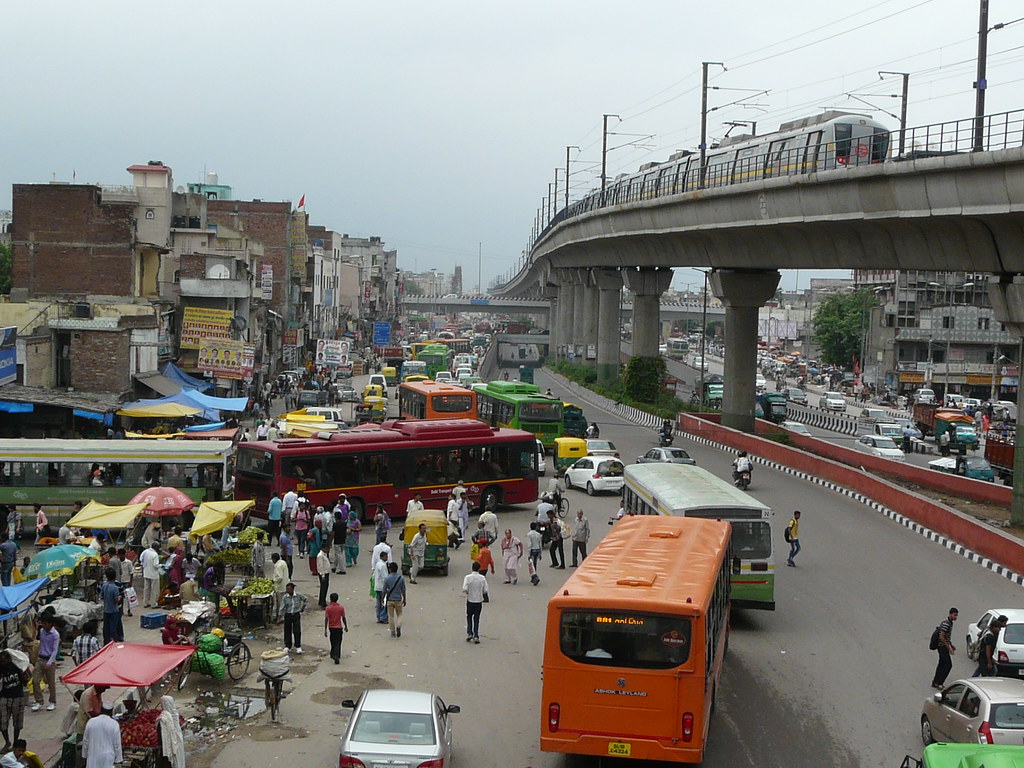
A bustling scene in Delhi captures the vibrant chaos of a traditional Indian street market, juxtaposed with the sleek modernity of the Metro soaring above. The image beautifully encapsulates the dynamic blend of old and new in India’s capital. Photo by Varun Shiv Kapur. Licensed under CC BY.
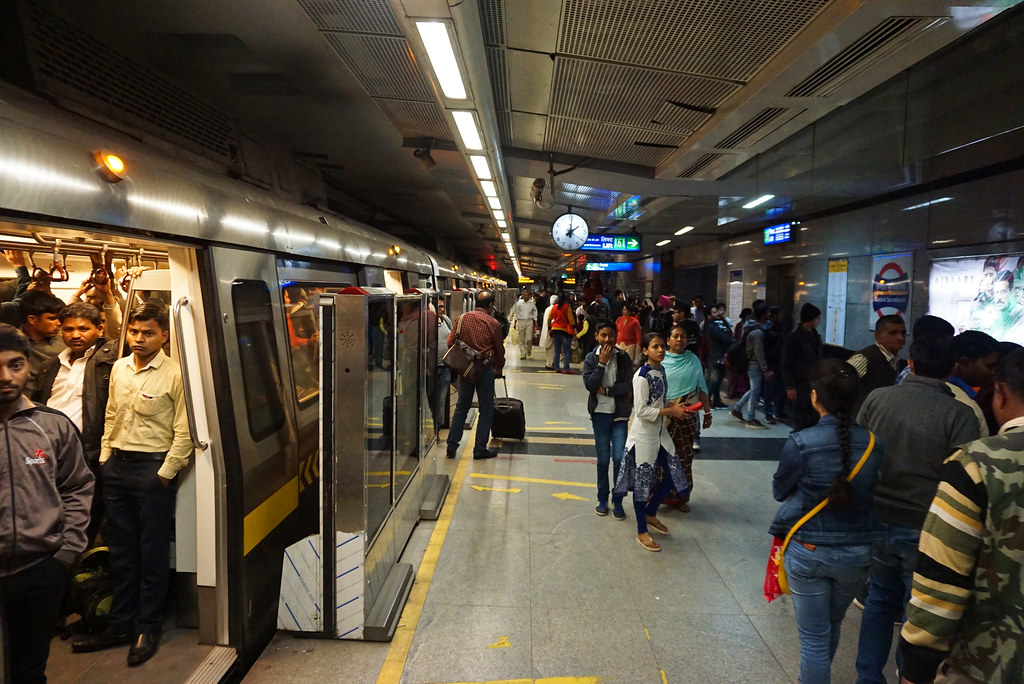
Commuters bustle through the Central Secretariat Metro Station in Delhi, capturing a slice of daily life amidst the energy and rhythm of city transit. Photo by Cyprien Hauser. Licensed under CC BY-ND.
A rising superstar. Clean, fast, and air-conditioned, Delhi Metro is shaking off old stereotypes of Indian transport. Women’s-only cars are available, and security is tight. Riding the sleek Airport Express feels like zooming through a tech utopia—while still only costing a few bucks. Major stations like Rajiv Chowk are buzzing with snack stalls, political conversations, and Insta-worthy chaos. A little wild, a lot wonderful.
8. Shenzhen Metro – China
Daily riders: 5–5.5 million
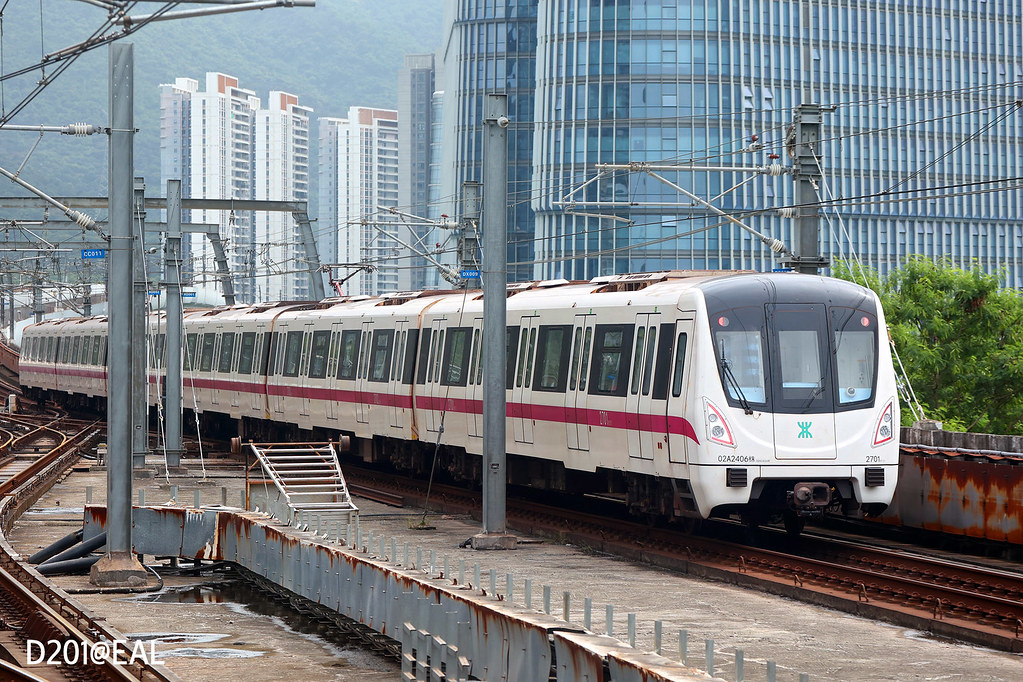
A modern metro train on Shenzhen’s Metro Line 8 rolls through modern skyscrapers and lush greenery. Link to original. Licensed under .
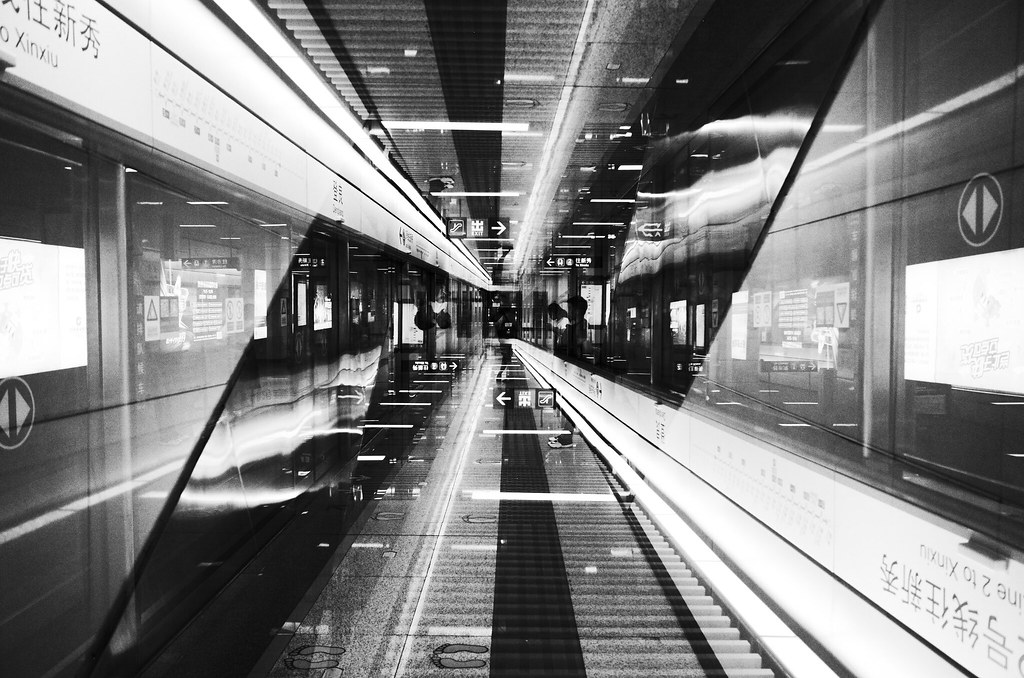
In the labyrinth of Shenzhen Metro, reflections weave a tapestry of motion and stillness, capturing the pulse of a city on the move. Photo by Tony. Licensed under CC BY.
The tech capital of China has a metro system to match. Fully integrated with facial recognition gates and AI-powered security bots (yes, really), Shenzhen Metro feels like it was built by robots—for robots. Even the voice announcements sound vaguely futuristic. Hop off at Huaqiangbei if electronics markets and LED everything are your thing. It’s the Silicon Valley of the East—underground and above.
9. Mexico City Metro – Mexico
Daily riders: 4.5–5 million
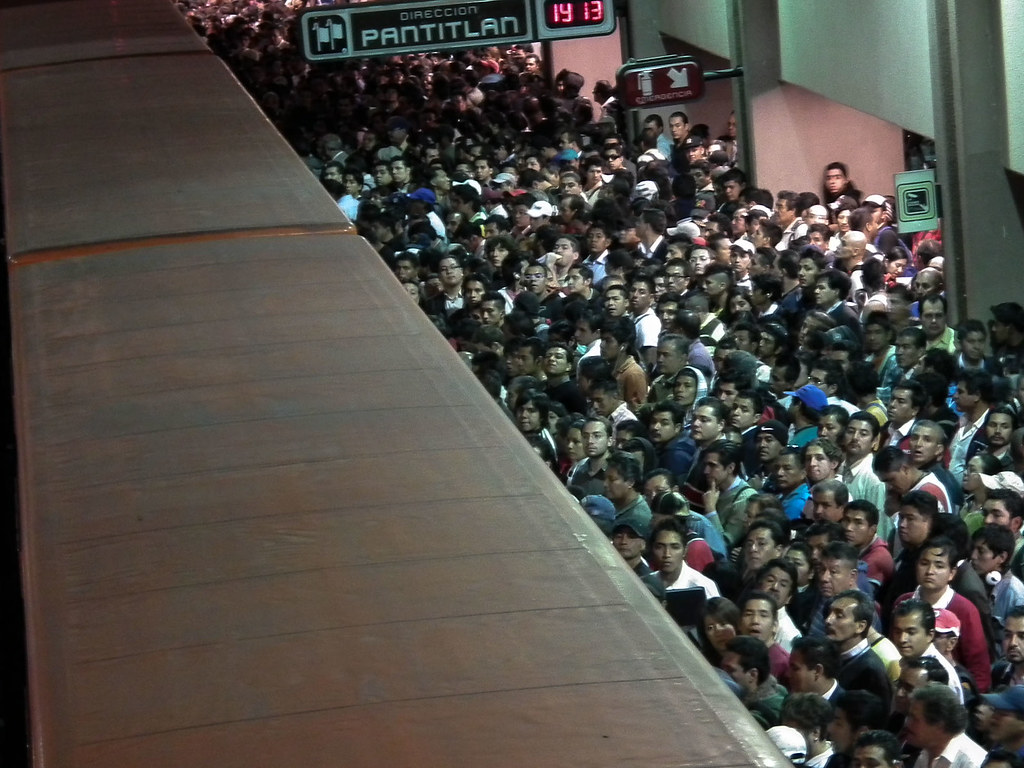
A sea of commuters waits eagerly at the Pantitlán metro station in Mexico City, capturing the bustling energy of urban life. Photo by Benoît Gomez. Licensed under .
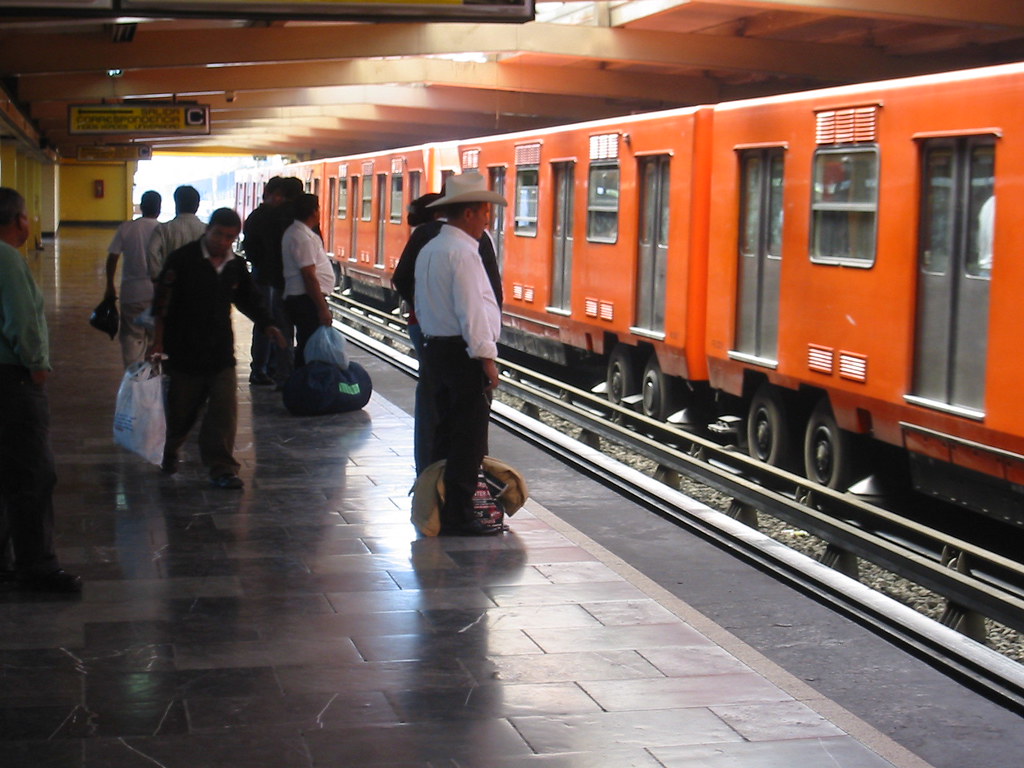
Commuters wait patiently on the platform as the iconic orange train of the Mexico City Metro rolls into view, bringing with it a vibrant charm that blends urban life with cultural essence. Photo by Tjeerd Wiersma. Licensed under CC BY.
Old-school but deeply charming, CDMX’s metro features bold orange trains and culturally themed stations. Every station has its own symbol (because not everyone reads), making navigation a bit like collecting cool stickers. Art and murals pop up everywhere. At Bellas Artes station, you can exit into the middle of a colonial plaza, street performers, and vintage bookstores. Tickets cost pocket change—and the people-watching is priceless.
10. New York City Subway – USA
Daily riders: 4–4.5 million
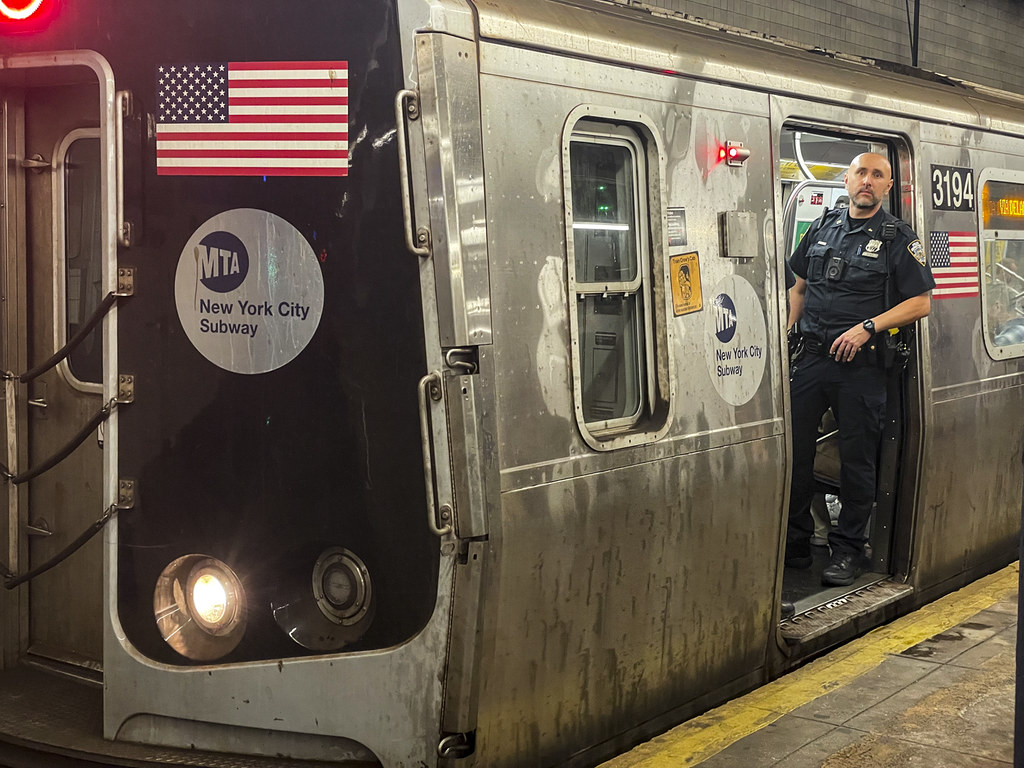
A vigilant officer stands at the subway door, embodying the pulse of New York City as it hums and roars beneath the bustling streets. Photo by Hans-B. Sickler. Licensed under CC BY.
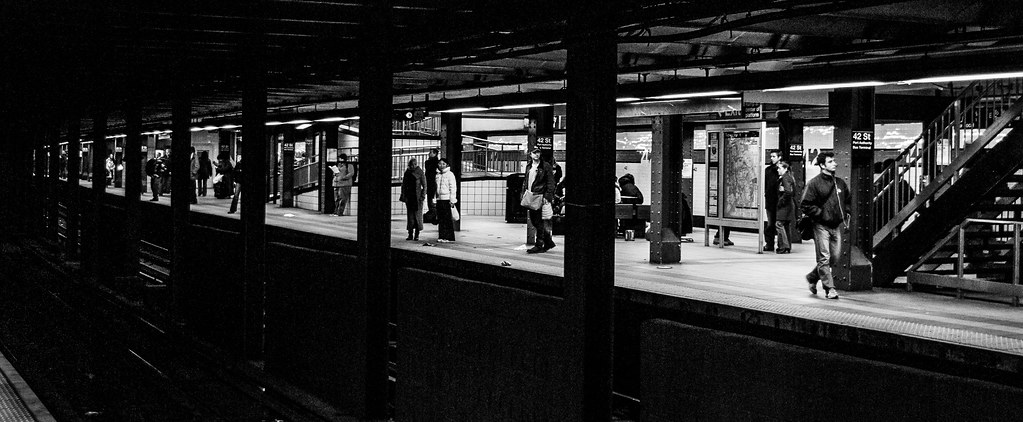
In the labyrinthine depths of New York City, the 42nd Street Subway Station is a subterranean world unto itself, where people meet and pass each other by amidst the shadows. Photo by Corey Leopold. Licensed under CC BY.
It’s chaotic, it’s grimy, it smells weird—but it works. Mostly. NYC’s subway is one of the only 24/7 systems in the world, and it’s endlessly meme-able. The OMNY tap system is sleek and modern, while the stations… let’s just say they’re “gritty-chic.” Buskers, breakdancers, and a raccoon sighting or two keep things spicy. Union Square and 14th Street stations are mini ecosystems of underground art, zine vending machines, and existential staircases.
11. São Paulo Metro – Brazil
Daily riders: 4.2 million
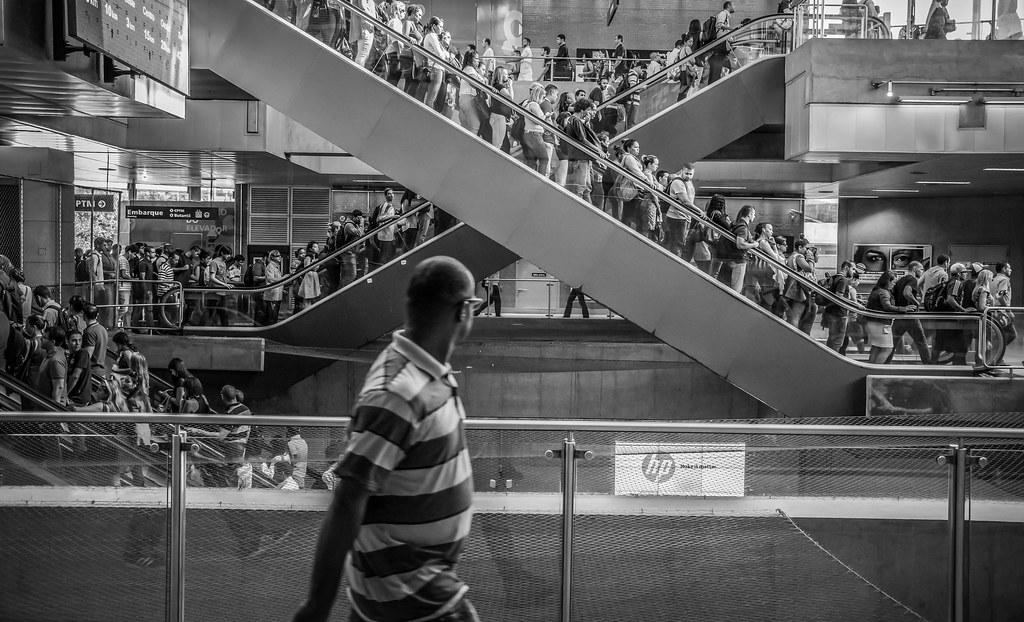
A bustling scene at the São Paulo Metro captures a throng of commuters on intersecting escalators, while a solitary observer in the foreground provides a moment of stillness amid the urban rush. Link to original. Licensed under CC BY-SA.
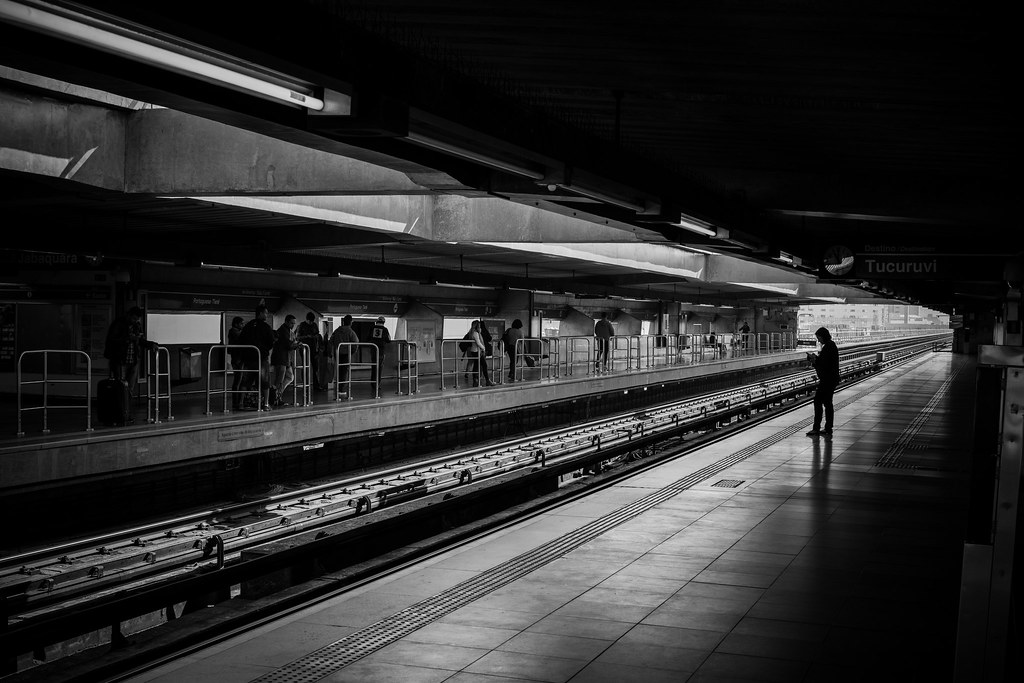
A solitary figure waits on the platform, absorbed in their thoughts, while shadows and light dance through the bustling São Paulo metro station. Link to original. Licensed under CC BY-SA.
Bright, clean, and shockingly efficient, the São Paulo Metro is a lifeline in one of the world’s biggest cities. Most stations are sunlit, elevated, or have lush greenery nearby—rare for metros this busy. Lines like Line 4 (Yellow) run automatically with no driver at all. Pop up near Paulista Avenue and you’re steps away from São Paulo’s best coffee shops, LGBTQ+ bars, and ever-changing street art walls.
12. Hong Kong MTR – Hong Kong SAR
Daily riders: ~5 million
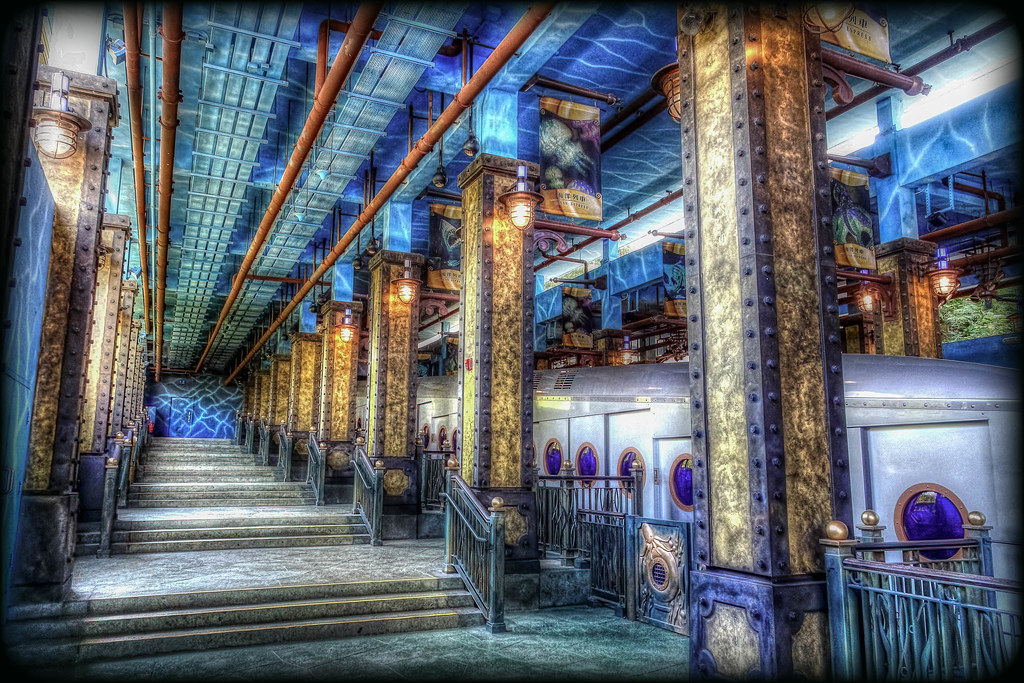
A vibrant and surreal capture of Ocean Park MTR Station in Hong Kong, where industrial design meets mystical underwater themes, creating a whimsical portal to adventure. Photo by Rick Massey. Licensed under CC BY.
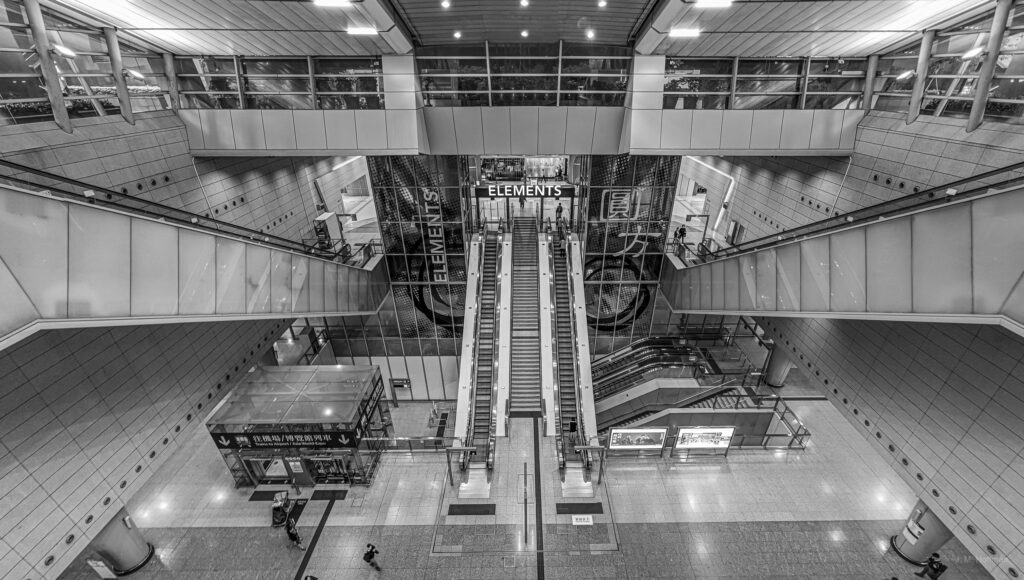
A striking black and white capture of Kowloon MTR Station in Hong Kong showcases its symmetrical design and futuristic architecture. The escalators lead the eye into the bustling hub of Elements Mall above. Photo by Joel M. Hoffman. Copyright Joel M. Hoffman. Used with permission.
If metros were judged on ease of use alone, the MTR might win gold. Hyper-clean, hyper-efficient, and perfectly climate-controlled. Navigating the city is effortless, especially with the Octopus card—use it for the train, 7-Eleven snacks, and even vending machines. Central station connects directly to skyscrapers and indoor malls, meaning it’s totally possible to spend a whole day in Hong Kong without ever going outside. Rainy day? No problem.
Bonus: Chiba, Japan
Daily riders: ~45,000
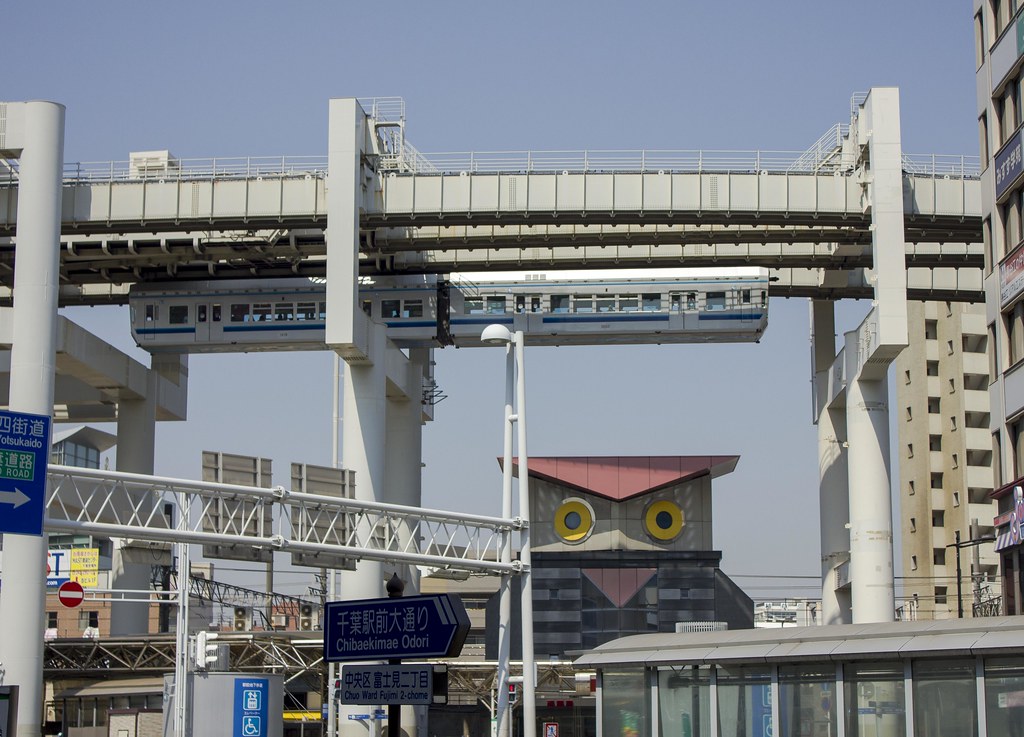
The Chiba Urban Monorail floats gracefully above city streets, while the whimsical owl building keeps a watchful eye on the bustling scene below. Photo by George N. Licensed under CC BY.
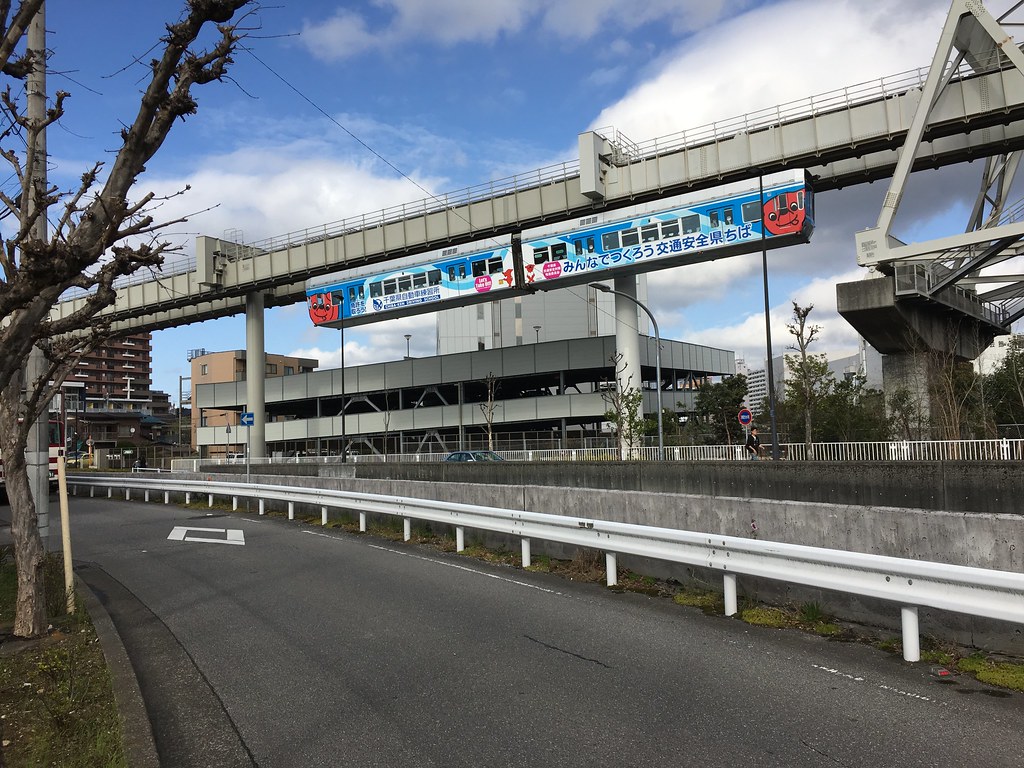
The quirky Chiba Urban Monorail glides incongruously above the urban landscape, weaving its charm into the fabric of Japan’s bustling cityscape. Link to original. Licensed under CC BY.
It’s not a metro, exactly—but it’s too cool to leave out. Welcome to Chiba, home to the world’s longest suspended monorail. That’s right: suspended. Instead of gliding above tracks, the trains here hang from them, like gravity-defying roller-coaster for commuters. The Chiba Urban Monorail swings through tight urban corridors and over busy intersections, offering surreal, floating views of the city below. You almost expect it to do loops. But don’t worry. It doesn’t. (Or at least is hasn’t yet.)
Final Stop
From chandelier-lit Russian tunnels to robo-operated Chinese trains, these metros aren’t just moving millions—they’re moving culture, energy, and style. Whether hopping off for rooftop coffee in Seoul or descending into Tokyo’s punctual chaos, these subways deserve a spot on any savvy traveler’s radar. So next time you swipe in or tap through, take a second to look around. Underground, the soul of the city moves fast—and it looks fabulous doing it.
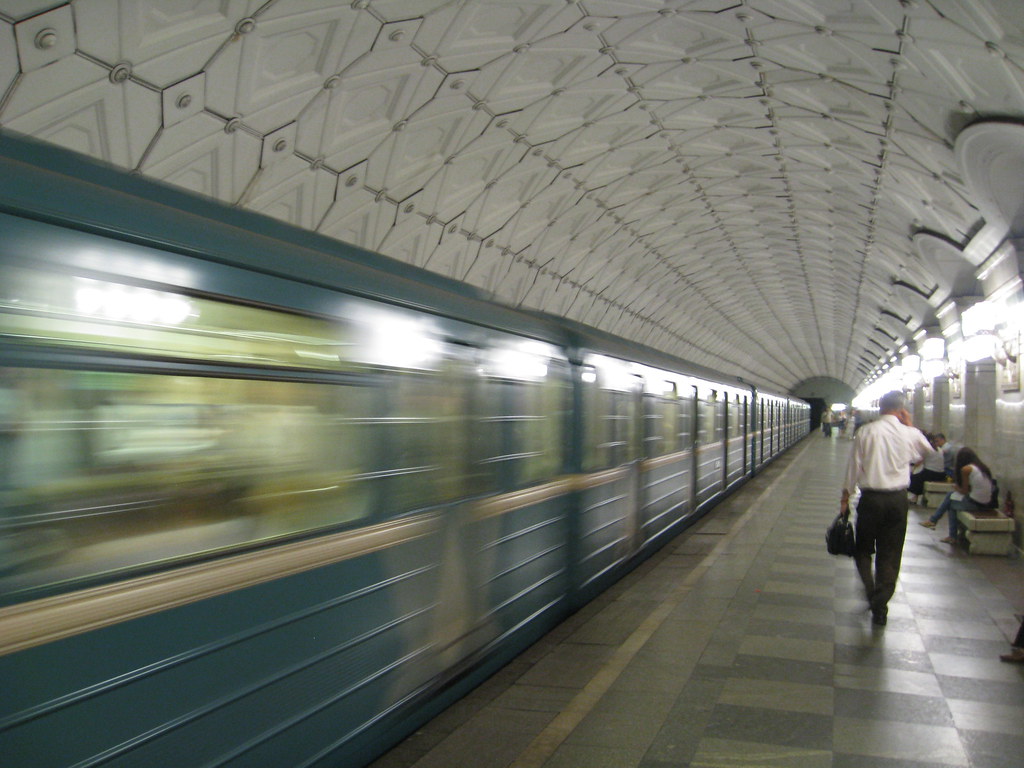
Sportivnaya Subway Station in Moscow captures the fleeting motion of a departing train beneath its lavish, ornate ceiling, a testament to the city’s renowned architectural elegance. The station’s grandeur is a striking backdrop to the dynamic pace of urban life. Photo by Chris Feser. Licensed under CC BY.