Tokyo Nights: Capturing the Pulse of a Luminous Cityscape
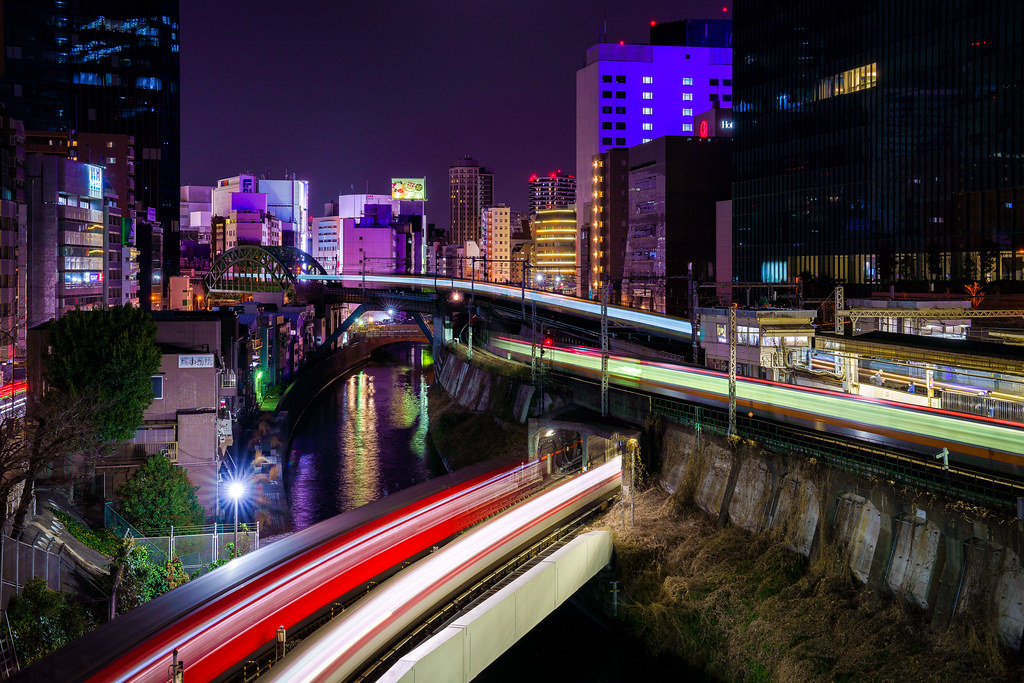
In the heart of Tokyo’s vibrant cityscape, an image like this captures not just a scene but the pulse of the metropolis itself.
Table of Contents
- The Allure of Light Trails
- Mastering Time Lapse Techniques
- Urban Aesthetics: Architecture and Reflections
- Night Photography Challenges & Solutions
- Practical Takeaways for Your Photography Journey
The Allure of Light Trails
The first element that captivates in this photograph is the mesmerizing light trails. These streaks, created by moving trains, add dynamic energy to the composition. They guide the viewer’s eye across the frame and convey a sense of motion and speed. Capturing light trails enhances any night scene by transforming mundane elements into something extraordinary.
Mastering Time Lapse Techniques
This image exemplifies expert use of time-lapse photography. By keeping the shutter open long enough to record light paths, it achieves a balance between exposure and movement. Notice how stationary objects remain sharp while moving elements blur into colorful lines—this duality is key in creating compelling travel photography that narrates both stillness and dynamism.
Tips for Capturing Light Trails
- Use a Tripod: Stability is crucial for long exposures.
- Manual Settings: Experiment with different shutter speeds; start around 10-30 seconds.
- Low ISO: Keep ISO low (100-200) to reduce noise.
- Aperture Control: A mid-range aperture (f/8-f/11) ensures depth while maintaining sharpness.
Urban Aesthetics: Architecture and Reflections
The photograph beautifully integrates urban architecture with reflections on water surfaces below bridges—a common yet underappreciated feature in cityscapes like Tokyo’s waterways. This combination adds layers to your composition, making it richer and more engaging.
How to Photograph Trains in Tokyo
Capturing trains against such an iconic backdrop requires patience and timing:
- Scout Locations: Identify vantage points where tracks intersect visually interesting backgrounds.
- Time It Right: Shoot during the blue hour when city lights are on but there’s still some natural light.
- Consider Composition: Use leading lines from tracks or bridges to draw attention within your frame.
Night Photography Challenges & Solutions
Night scenes bring unique challenges: low-light conditions often cause blurry images or excessive noise if not handled properly:
- Utilize wide apertures alongside stable setups for better clarity at night.
- Invest time learning post-processing techniques; subtle adjustments can correct minor imperfections without losing authenticity—essential knowledge every travel photographer should possess!
Embrace Travel Photography Opportunities
Travel offers endless opportunities beyond typical tourist shots! Seek out those moments where culture meets modernity—like bustling train stations juxtaposed against traditional architecture or serene river reflections under neon lights.
Practical Takeaways for Your Photography Journey
This photograph is a testament to the power of combining technical skill with artistic vision. Here are some takeaways to improve your own work:
- Experiment with Angles: Don’t be afraid to try unconventional perspectives; they can add intrigue.
- Play with Light and Shadow: Use available light creatively, especially in urban environments where artificial lighting abounds.
- Practice Patience: Great shots often require waiting for the perfect moment when all elements align.
Conclusion
Capturing the essence of a city like Tokyo through techniques such as light trails and time-lapse photography not only enhances your travel photography portfolio but also enriches your storytelling ability. By applying these insights, you can create images that resonate with viewers and evoke the unique energy of each place you explore.
So grab your camera, find a bustling train line in Tokyo, and start experimenting—adventure awaits behind every frame!

Vibrant light trails from trains illuminate the bustling Tokyo nightscape, capturing the dynamic energy of the city. Photo by Chad Davis. Licensed under CC BY.